


Best Things to Do in Accra: A Complete Guide
10 Best Things to Do in Accra
Looking for what to do in Accra? Ghana’s lively coastal capital is not merely a destination; it is a full-sensory experience, a vibrant tapestry woven from threads of history, culture, art, music, beaches, food, and dynamic modern urban life. Known for its legendary warm hospitality, or “Akwaaba,” Accra offers a colourful and compelling introduction to West Africa. The city masterfully mixes colonial-era landmarks with cutting-edge contemporary galleries, profound political monuments, vibrant neighbourhood hangouts, and breezy seaside attractions, all spread across its thriving districts like Osu, Labone, Jamestown, and East Legon. More than just a list of sites, Accra is a feeling—the rhythmic pulse of highlife music from a corner bar, the scent of kelewele and charcoal-grilled fish wafting through the air, the kaleidoscope of colours in the bustling Makola Market, and the profound historical resonance of its independence landmarks.
From exploring historic fishing quarters adorned with world-class street art to contemplating at the resting place of Pan-African visionaries, from bargaining for vibrant textiles in sprawling markets to dancing under the stars to the sounds of Afrobeats, here is an in-depth guide to the 10 best things to do in Accra. This guide is designed to help you move beyond the surface and plan a trip that engages your mind, delights your senses, and captures your heart.
1. Immerse Yourself in the Living History of Jamestown
Jamestown is not just a neighbourhood; it is the historic soul of Accra. As one of the city’s oldest districts, this coastal enclave tells a layered story of colonial influence, indigenous Ga community resilience, fishing traditions, and a burgeoning contemporary arts scene. A walk through its narrow, sandy alleyways is a journey through time. You’ll pass by the imposing James Fort and Ussher Fort, stark reminders of the Atlantic slave trade, now standing in poignant contrast to the vibrant daily life that pulses around them. The rhythm here is set by the fishermen, who mend their colourful nets on the beach and launch their wooden pirogues into the Atlantic surf at dawn.
The district has become an open-air gallery, with its corrugated iron and weathered concrete walls transformed by stunning murals from local and international street artists, many speaking to themes of identity, community, and social justice. Climbing the iconic Jamestown Lighthouse is a must; from the top, you are rewarded with a breathtaking panoramic view of the bustling fishing port, the endless Atlantic horizon, and the district’s mosaic of rust-red roofs. Plan your visit for late August to experience the transformative Chale Wote Street Art Festival, where the streets explode with performance art, graffiti installations, fashion shows, and music, turning the entire neighbourhood into a celebration of radical creative expression.
2. Reflect on a Nation’s Birth at the Kwame Nkrumah Memorial Park
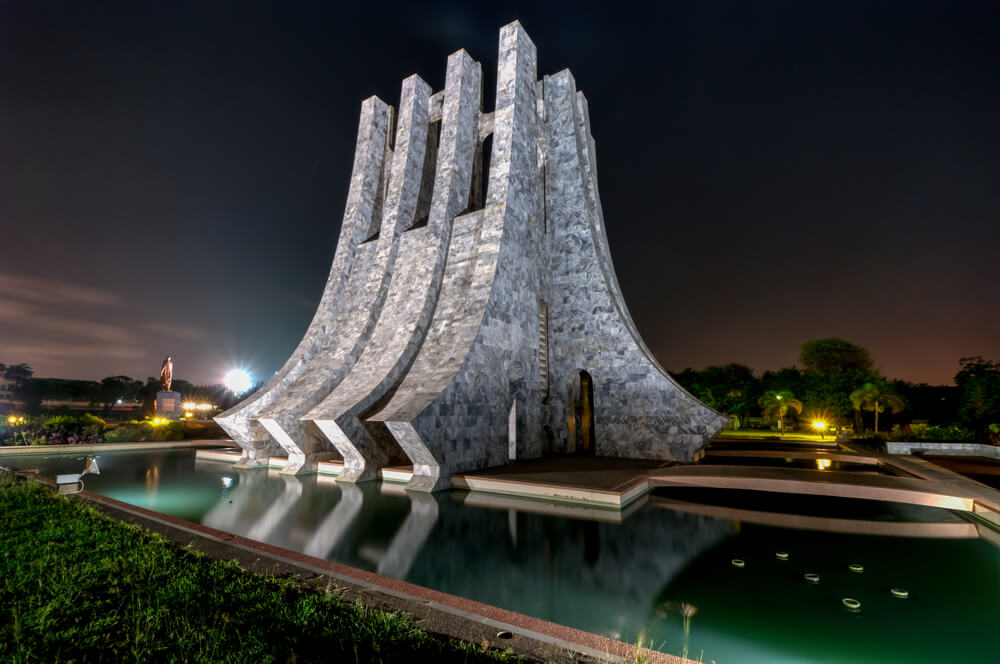
The Kwame Nkrumah Memorial Park & Mausoleum is more than a tourist attraction; it is a sacred national site and a place of profound reflection. Dedicated to Dr. Kwame Nkrumah, the iconic leader who spearheaded Ghana’s drive to become the first sub-Saharan African nation to gain independence from colonial rule, the park is a beautifully curated space of remembrance. The centerpiece is a stunning marble-clad mausoleum, shaped like an inverted sword—a traditional Akan symbol of peace—where Nkrumah and his wife, Fathia, are laid to rest. The structure rises above serene reflecting pools and fountains, creating an atmosphere of tranquility amidst the city’s hustle.
Adjacent to the mausoleum, the museum houses a deeply moving collection of Nkrumah’s personal effects: his books, famous suits, writing desk, and photographs that chart his journey from activist to “Osagyefo” (Redeemer). The exhibits powerfully contextualize his vision for Ghana and his pivotal role in the Pan-African movement. A visit here is essential for understanding the philosophical foundations of modern Ghana and the enduring legacy of a man who inspired a continent.
3. Stand in the Symbolic Heart of the Nation at Independence Square
Also known as Black Star Square, Independence Square is one of the largest public plazas in the world and the undeniable symbolic heart of Ghana. This vast, open ceremonial ground was purpose-built to host national events, most notably the annual Independence Day parade on March 6th. Walking onto the grounds, you are immediately struck by its scale and the power of its monuments. The Independence Arch, inscribed with the words “Freedom and Justice,” stands as a triumphant gateway. At the square’s eastern end, the towering Black Star Gate, topped by the black star of African freedom, gazes out toward the ocean.
Nearby, the Liberation Day Monument depicts a soldier breaking free from chains, a powerful tribute to the veterans who fought for Ghana’s liberty. While the square is awe-inspiring during grand ceremonies, visiting on a quieter day allows for personal reflection and photography, offering a tangible connection to the national pride and collective memory that defines Ghanaian identity.
4. Dive into the Sensory Overload of Makola Market
To understand the commercial and social heartbeat of Accra, you must venture into Makola Market. This is not a curated tourist market but the city’s genuine, sprawling commercial epicenter—a labyrinthine world of commerce, conversation, and vibrant chaos. The energy is electrifying and wonderfully overwhelming. Vendors, predominantly powerful market women known as “market mammies,” sell an astonishing array of goods: pyramids of tropical fruits and vegetables, sacks of aromatic spices, baskets of dried fish, gleaming cookware, intricate beads, and, most famously, breathtaking stacks of African print fabrics.
This is the ultimate destination for anyone wanting to purchase authentic Ghanaian textiles like wax print, kente, and batik. The real magic happens after your purchase: skilled seamstresses and tailors, with sewing machines nestled in tiny stalls, can transform your chosen fabric into a custom-made dress, shirt, or suit within a day or two. Navigating Makola is an adventure; go with a sense of humour, be ready to bargain politely, and keep your valuables secure. It’s an unforgettable immersion into the daily life that fuels the city.
5. Discover Artistic Brilliance at the Artists Alliance Gallery
Perched elegantly on the edge of the Atlantic in Labadi, the Artists Alliance Gallery is a sanctuary of creativity and one of West Africa’s finest art galleries. Founded by the revered Ghanaian painter Professor Ablade Glover, this three-story architectural gem houses an exceptional collection that spans traditional African art forms to bold contemporary works. As you wander through its airy, well-lit spaces, you’ll encounter a stunning variety of pieces: vibrant impasto paintings capturing Ghanaian market scenes, intricate wood carvings, ceremonial masks, bronze sculptures, striking photography, and exquisite textiles.
The gallery operates on a dual mission: to preserve important cultural artefacts and to provide a prestigious platform for established and emerging Ghanaian and West African artists. Whether you are a seasoned collector or a casual admirer, the quality of the work is exceptional. It’s an ideal place to appreciate the depth of African artistic expression and to acquire a meaningful, high-quality souvenir—a tangible piece of Ghana’s creative soul.
6. Unwind and People-Watch at Labadi Beach
Labadi Beach, officially known as La Pleasure Beach, is Accra’s premier playground and a microcosm of the city’s social life. On weekends and holidays, the golden sands come alive with an infectious festive energy. It’s a place where all of Accra converges: families picnic under rented umbrellas, friends play vigorous games of beach soccer, galloping horses offer rides along the water’s edge, and acrobats perform breathtaking flips to the beat of live drumming circles. Vendors weave through the crowds selling everything from chilled coconuts and kebabs to souvenirs.
While the surf can be strong for swimming, the real attraction is the vibrant atmosphere. For a more tranquil experience, visit on a weekday morning when the beach is quiet, and you can enjoy a peaceful stroll or simply listen to the waves. Stay through the late afternoon to witness a spectacular sunset over the Gulf of Guinea, often accompanied by the silhouettes of fishing boats returning to shore—a perfect, postcard-perfect Accra moment.
7. Connect with Ghana’s Cultural Roots at the National Museum
The National Museum of Ghana, located in the heart of the city, is the nation’s oldest and most important repository of cultural heritage. A visit here provides the essential historical and ethnographic context that enriches every other experience in Ghana. The museum’s collections are thoughtfully organized, taking you on a journey from prehistoric archaeological finds through the rise of powerful pre-colonial kingdoms like the Ashanti, to the trauma of the trans-Atlantic slave trade, and into the era of independence.
Key highlights include the magnificent collection of Ashanti royal regalia, including delicate goldweights (abrammoo), ceremonial swords, and the famed linguist staffs. You’ll see traditional pottery, intricate woven Kente and Adinkra cloth (each pattern and symbol rich with proverbial meaning), and musical instruments that are the ancestors of today’s highlife sounds. It’s a quiet, air-conditioned refuge from the city’s heat and a foundational stop for any traveller seeking to understand the “why” behind Ghana’s rich traditions.
8. Experience Urban Buzz on Oxford Street in Osu
Osu, often called “the West End of Accra,” is the city’s cosmopolitan nerve center, and its main artery, Oxford Street, is a pulsating showcase of modern Ghanaian life. By day, the street is a bustling commercial strip where upscale boutiques, tech shops, lively pharmacies, and international banks stand side-by-side with street vendors sizzling plantains and selling mobile phone credit. The café scene here is thriving, offering everything from strong local coffee to artisanal pastries.
As night falls, Oxford Street undergoes a metamorphosis. Its famous neon “Frankie’s” sign lights up, and the area transforms into Accra’s premier dining and nightlife hub. The choice is staggering: enjoy fresh seafood at a roadside grill, dine on Lebanese cuisine or Italian pasta, sip cocktails on a chic rooftop, or dance to live Afro-fusion in a packed courtyard. Osu is endlessly energetic, endlessly entertaining, and provides a perfect snapshot of Accra’s forward-looking, youthful, and globally connected spirit.
9. Pay Homage to Pan-African Legacy at the W.E.B. Du Bois Centre
Tucked away in the peaceful residential area of Cantonments, the W.E.B. Du Bois Centre is a tribute to the profound intellectual and political connections between the African diaspora and the continent. Dr. William Edward Burghardt Du Bois, the preeminent African-American scholar, historian, and civil rights activist, spent the last two years of his life in Accra as a guest of President Nkrumah, and he is buried here. The centre is located in his former residence, which has been preserved as a museum.
Walking through his modest bungalow, you can see his personal library, study, and living quarters, filled with photographs and letters that detail his unwavering commitment to Pan-Africanism and his decision to take up Ghanaian citizenship. His final resting place, marked by a simple yet powerful tomb, is in the quiet garden. The centre’s library and research facilities continue his mission, fostering scholarly exchange. It is a moving and contemplative site that connects the struggle for civil rights in America to the fight for independence in Africa.
10. Feast, Dance, and Celebrate: Indulge in Ghanaian Food, Music & Nightlife
To truly know Accra, you must engage with its culinary and sonic landscapes. Ghanaian cuisine is a highlight of any visit—a flavourful world of stews, grains, and grilled delights. Seek out local spots to try jollof rice (the subject of friendly West African rivalry), the comforting bean-and-rice dish waakye, or the pounded cassava and plantain doughs fufu and banku, typically served with rich, spicy soups like groundnut or light soup. Don’t miss spicy fried plantains (kelewele) or fresh grilled tilapia with shito (black pepper sauce).
This culinary adventure seamlessly blends into Accra’s legendary nightlife. Music is the city’s lifeblood. From the foundational guitar rhythms of highlife to the modern, globally dominant sounds of Afrobeats, there is always music in the air. Explore the bars and clubs in Osu, Labone, and East Legon: you might find a live band playing soulful highlife in an intimate venue, a beach club with DJs spinning the latest Amapiano and Afrobeats hits, or a rooftop lounge where you can sip a cocktail while overlooking the city lights. In Accra, eating, drinking, music, and dancing are not separate activities but intertwined expressions of joy and community—the perfect way to end any day in this magnificent city.
In conclusion, Accra is a city of compelling contrasts and boundless energy. It challenges and charms in equal measure, offering travellers not just a list of sites to see, but a profound experience of warmth, resilience, creativity, and celebration. These ten experiences provide a framework to engage deeply with this dynamic capital, ensuring your journey is as educational as it is exhilarating.
Check monthly weather averages for
Latest Secret Flying deals to Accra
Brussels, Belgium to Accra, Ghana for only €397 roundtrip
Cheap flights from Brussels, Belgium to Accra, Ghana for only €397 roundtrip with Royal Air Maroc.
View DealZurich, Switzerland to Accra, Ghana for only €398 roundtrip
Cheap flights from Zurich, Switzerland to Accra, Ghana for only €398 roundtrip with Brussels Airlines.
View DealItalian cities to Accra, Ghana from only €353 roundtrip
Cheap flights from Italian cities to Accra, Ghana from only €353 roundtrip.
View Deal [adblockingdetector id="638efa67113bf"]