


Albuquerque Food Guide
Food in Albuquerque: What to Eat & Drink
Albuquerque’s culinary landscape is a vibrant expression of New Mexican cuisine, where Native American, Spanish colonial, and Mexican traditions converge with modern American creativity under the bright high-desert sun. The city’s food culture is defined by its most iconic ingredient, the Hatch green chile, whose smoky heat infuses everything from humble breakfast burritos to refined contemporary dishes. Set along the historic Rio Grande and framed by the Sandia Mountains, Albuquerque’s dining scene is deeply rooted in place, shaped by history, geography, and a strong sense of community.
Staple ingredients such as blue corn, pinto beans, posole, locally raised beef and lamb, and both green and red chiles form the foundation of local cooking. At an elevation of around 5,000 feet, Albuquerque’s climate and altitude influence everything from cooking techniques to flavor development. The city’s nearby pueblos and long-established Hispanic communities continue to preserve centuries-old food traditions, while newer chefs reinterpret them in fresh ways. From classic diners along historic Route 66 to farm-to-table restaurants in Nob Hill and Downtown, Albuquerque offers a culinary journey through the American Southwest that feels both authentic and evolving.
Local Specialities of Albuquerque
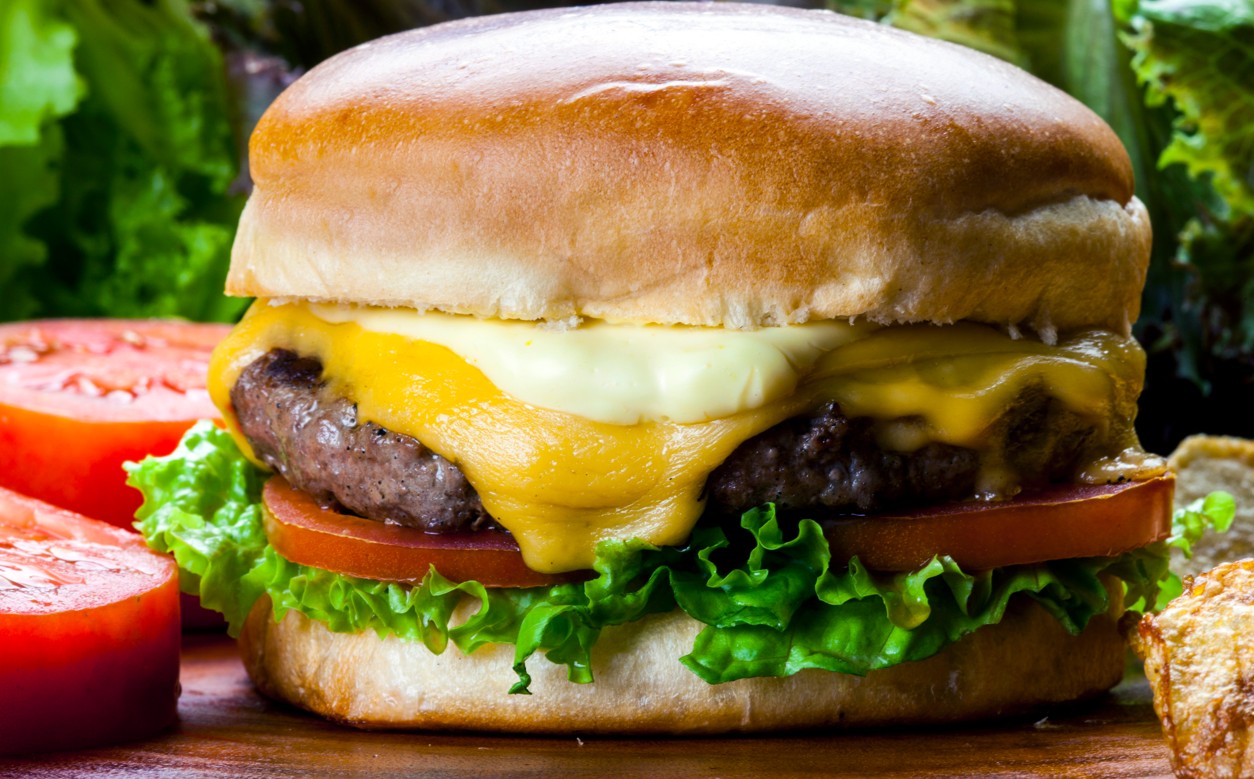
Albuquerque is best known for its green chile cheeseburger, a local obsession that pairs a juicy beef patty with melted cheese and roasted Hatch green chiles. The result is a perfect balance of richness, heat, and smokiness. Breakfast burritos are equally iconic, filled with scrambled eggs, potatoes, cheese, and a choice of meat, and always accompanied by the essential question: red or green? Referring to chile sauce, this choice is central to New Mexican dining, with the “Christmas” option, featuring both, offering the full experience.
Carne adovada is another cornerstone of local cuisine, consisting of pork marinated and slow-cooked in a deeply flavored red chile sauce until tender. It appears in burritos, enchiladas, and as a standalone dish. Sopapillas, airy pieces of fried dough served hot, often arrive at the table as a complimentary starter and are drizzled with honey, though they can also be stuffed with savory fillings. Posole, a comforting stew of hominy and pork simmered in red chile broth, is especially popular during holidays and colder months.
Everyday New Mexican Food
New Mexican enchiladas differ from Mexican and Tex-Mex versions, using stacked blue or yellow corn tortillas rather than rolled ones. They are layered with cheese, onions, and a chosen filling, then generously covered in chile sauce. Frijoles, slow-cooked beans often enriched with pork, are a near-constant presence on the plate. Tamales, particularly common during the holiday season, highlight the region’s masa traditions and come with fillings ranging from red chile pork to sweeter variations.
Navajo tacos reflect the influence of Native American cuisine, built on fry bread instead of tortillas and topped with beans, meat, lettuce, and chile. Green chile stew, filled with potatoes, pork, and roasted chiles, is a staple during Albuquerque’s colder winter days. Calabacitas, a lighter vegetable dish made from squash, corn, and green chiles, offers a fresh and flavorful alternative that highlights regional produce.
Street Food and Market Culture
Albuquerque’s food truck scene has expanded rapidly, with clusters of trucks serving everything from classic New Mexican comfort food to inventive global fusion. Farmers’ markets, especially the Downtown Growers’ Market, showcase the state’s agricultural bounty, including fresh chiles in season, local honey, native pecans, and specialty items such as chile-infused oils and salsas.
During late summer and early autumn, roasted green chile stands appear across the city, filling neighborhoods with their unmistakable smoky aroma as fresh Hatch chiles tumble in rotating drums. Elote, or Mexican street corn topped with chile powder, lime, and cheese, is a popular warm-weather snack. At festivals and markets, Native American vendors sell traditional foods such as blue corn atole, oven bread, and products made with piñon pine nuts.
International Dining and Contemporary Scene
While New Mexican cuisine remains central, Albuquerque’s dining scene has become increasingly diverse. A growing craft brewery culture pairs locally brewed beers with creative pub food that often incorporates regional ingredients. Neighborhoods such as Nob Hill and Downtown feature restaurants offering modern American, Italian, Asian fusion, and vegan cuisine, frequently interpreted through a Southwestern lens.
Restaurants within Native American casinos present refined takes on indigenous cooking, while the city’s Vietnamese and Thai communities contribute well-regarded Southeast Asian options. Historic Old Town offers traditional New Mexican dining in adobe settings, while areas like the Sawmill District showcase contemporary restaurants housed in repurposed industrial spaces.
Local Beverages and Craft Production
New Mexico’s wine industry has grown steadily, with vineyards along the Rio Grande producing distinctive wines well suited to local cuisine. Albuquerque’s craft beer scene is among the most dynamic in the Southwest, with breweries creating a wide range of styles, including beers infused with green chile, piñon, and prickly pear.
Local distilleries produce small-batch spirits such as whiskey, vodka, and gin, sometimes using regional grains and botanicals. The city’s coffee culture has also matured, supported by local roasters and specialty cafés. Popular non-alcoholic options include horchata, aguas frescas, and prickly pear lemonade, a regional favorite.
Food Customs and Practical Tips
Dining in Albuquerque is relaxed and welcoming, with many restaurants offering outdoor patios that take advantage of the city’s abundant sunshine. The question “red or green?” refers to chile preference, with red typically offering deeper, earthier heat and green providing a brighter, sharper flavor. Choosing Christmas, which includes both, is a popular option for first-time visitors.
Tipping of 15 to 20 percent is standard in restaurants. Many local establishments close earlier than those in larger cities, with kitchens often finishing service around 9 PM. Reservations are recommended for popular spots, especially during peak travel periods such as the Albuquerque International Balloon Fiesta in October.
Chile heat can vary significantly, so it is wise to ask about spice levels if you are sensitive to heat. Many restaurants offer milder versions of dishes. Embrace the sopapilla tradition, as they are often served complimentary with honey. To gain deeper insight into New Mexican cuisine, consider a food tour or cooking class focused on its history and techniques.
This guide covers what to eat in Albuquerque, from iconic green chile dishes and New Mexican classics to contemporary dining and local beverages. Use it alongside our Albuquerque Travel Guide to plan your culinary exploration of the Southwest’s high-desert city.
Check monthly weather averages for
Latest Secret Flying deals to Albuquerque
Brisbane, Australia to US cities for only $1273 AUD roundtrip
Cheap flights from Brisbane, Australia to US cities for only $1273 AUD roundtrip with United Airlines.
View DealLAST SECOND: Auckland, New Zealand to Albuquerque, New Mexico for only $1537 NZD roundtrip
Last second flights from Auckland, New Zealand to Albuquerque, New Mexico for only $1537 NZD roundtrip with United Airlines and Air New Zealand. **Flight departs tomorrow – 11th May 2026**
View DealNew York to Albuquerque, New Mexico (& vice versa) for only $157 roundtrip
Cheap flights from New York to Albuquerque, New Mexico for only $157 roundtrip with American Airlines. Also works in reverse.
View Deal [adblockingdetector id="638efa67113bf"]