


Almaty Food Guide
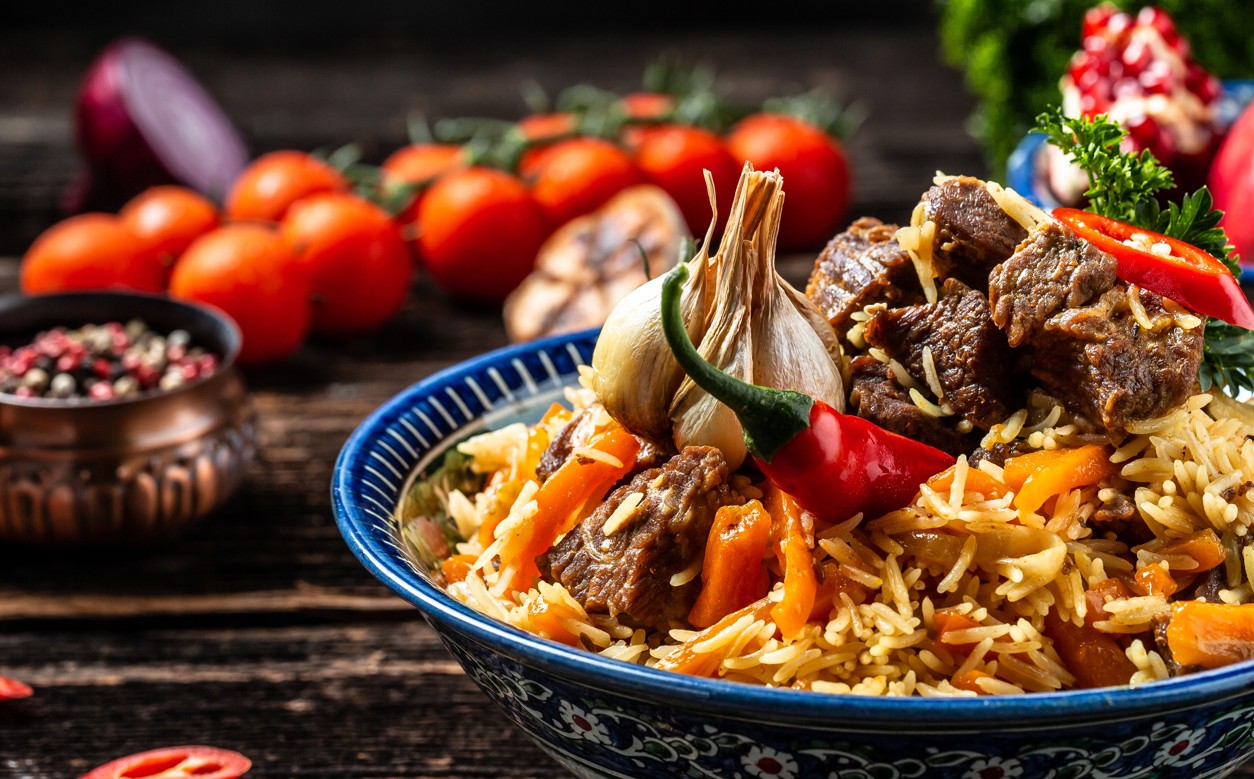
Food in Almaty: What to Eat & Drink
Almaty’s culinary landscape is a rich fusion of nomadic Kazakh traditions, Silk Road influences, Soviet-era staples, and modern Central Asian creativity, all set against the dramatic backdrop of the Tian Shan mountains. As Kazakhstan’s former capital and cultural heart, the city has developed a food culture that bridges its pastoral heritage with a contemporary, cosmopolitan identity. Positioned at the crossroads of Asia, Almaty reflects centuries of exchange, where Russian, Chinese, Uzbek, Uyghur, and Korean culinary traditions intersect with indigenous Kazakh cooking.
Key ingredients such as horse and lamb meat, dairy products, wheat, rice, and root vegetables form the foundation of traditional Kazakh cuisine. Almaty’s location near fertile foothills and mountain pastures ensures access to fresh produce and high-quality meat, as well as apples, for which the city is famous and from which it takes its name. From Soviet-era canteens to refined modern restaurants, Almaty’s food scene tells the story of Kazakhstan’s transition from nomadic past to global present.
Local Specialities of Almaty
Almaty is best known for beshbarmak, Kazakhstan’s national dish, whose name means “five fingers” in reference to the traditional practice of eating it by hand. This ceremonial meal features boiled horse or lamb served over wide flat noodles called kespe, topped with an onion-based sauce and shared from a communal platter during celebrations and family gatherings.
Plov, originally from Uzbek cuisine, is widely enjoyed in Almaty and has been adapted with local touches such as carrots, raisins, and sometimes kazy, a traditional horse sausage. Manti, large steamed dumplings filled with lamb or pumpkin, are another staple found throughout Central Asia. Kazy and shuzhuk, both made from horse meat, reflect the central role of the horse in Kazakh culture. Baursaki, small pieces of fried dough, accompany nearly every traditional meal and are a symbol of hospitality.
Everyday Kazakh & Central Asian Food
Breakfast in Almaty is often simple and filling, featuring baursaki served with tea or kurt, dried fermented cheese balls valued for their portability and protein content. Laghman, hand-pulled noodles served with meat and vegetables in a richly seasoned sauce, reflects Uyghur culinary influence from neighboring Xinjiang. Samsa, baked pastry triangles filled with meat, pumpkin, or potatoes, are popular snacks sold throughout the city.
Sorpa, the flavorful broth from boiled meat dishes, is often served separately and is believed to have restorative qualities. Shashlik, marinated meat skewers grilled over charcoal, are ubiquitous during warmer months and are especially popular in parks and outdoor restaurants. Korean-style salads, particularly spicy carrot and potato dishes, are a lasting legacy of the ethnic Korean community relocated to Kazakhstan during the Soviet period and have become firmly embedded in Almaty’s everyday cuisine.
Street Food and Market Culture
Almaty’s street food culture revolves around the Green Bazaar, one of Central Asia’s most vibrant markets. Here, visitors can sample fresh dairy products such as kymyz, fermented mare’s milk, and ayran, a yogurt-based drink, alongside dried fruits, nuts, spices, and ready-to-eat dishes. The market’s food court offers affordable Central Asian meals and provides a lively snapshot of daily life.
Across the city, street vendors sell samsa baked in traditional tandyr ovens, while shashlik stands appear near parks and public spaces. Ice cream vendors selling rich Russian-style plombir are especially popular during Almaty’s hot summers. Apple sellers throughout the city highlight the region’s famous fruit, offered in a wide range of varieties.
Dairy Culture and Traditional Beverages
Dairy products hold a special place in traditional Kazakh culture, with fermented milk drinks playing an important role. Kymyz is considered a national beverage and has a distinctive tangy flavor, with varying levels of natural fermentation. Shubat, made from fermented camel’s milk, is stronger and more sour, and is prized for its perceived health benefits.
Ayran provides refreshing relief in warm weather, while kefir is also widely consumed. Tea culture is strong, with black tea typically served hot and strong in small cups, often accompanied by sweets or dried fruits. Although Kazakhstan is a predominantly Muslim country, alcohol is widely available, including local and Russian beers, vodka, and wines produced in nearby foothill regions.
International Dining and Contemporary Scene
As Kazakhstan’s most international city, Almaty offers a broad range of global dining options. Russian restaurants serve pelmeni and borscht, while Georgian eateries are known for khachapuri and khinkali. Turkish, Chinese, Japanese, and European cuisines are widely represented, catering to the city’s diverse population and growing dining culture.
Café culture has expanded rapidly, with specialty coffee shops and patisseries combining European techniques with local ingredients. Modern Kazakh restaurants reinterpret traditional dishes with contemporary presentation, while food halls and casual dining spaces have become increasingly popular. The pedestrian Arbat area and nearby streets are hubs for trendy restaurants and cafés, making it easy to explore multiple venues in one outing.
Food Customs and Practical Tips
Traditional Kazakh dining follows established customs, especially during ceremonial meals such as beshbarmak. The guest of honor may be presented with the sheep’s head, which is then shared according to tradition. When eating from a communal platter, it is customary to use the right hand.
Meal times are flexible, with lunch usually eaten between early and mid-afternoon and dinner in the evening. Tipping of around 5 to 10 percent is becoming more common, particularly in international restaurants, though some establishments include service charges. It is advisable to check the bill before leaving an additional tip.
Street food is generally safe when freshly cooked and served hot. Bottled water is recommended, although Almaty’s tap water is relatively clean by regional standards. Hospitality is highly valued, and guests are often encouraged to eat generously. Accepting offers of tea or food, and at least tasting kymyz when offered, is considered a polite gesture.
This guide covers what to eat in Almaty, from traditional Kazakh dishes such as beshbarmak to Central Asian street food and contemporary dining. Use it alongside our Almaty Travel Guide to plan your culinary exploration of Kazakhstan’s cultural capital.
Check monthly weather averages for
Latest Secret Flying deals to Almaty
Dusseldorf, Germany to Almaty, Kazakhstan for only €313 roundtrip
Cheap flights from Dusseldorf, Germany to Almaty, Kazakhstan for only €313 roundtrip.
View DealMunich, Germany to Almaty, Kazakhstan for only €253 roundtrip
Cheap flights from Munich, Germany to Almaty, Kazakhstan for only €253 roundtrip.
View DealHamburg, Germany to Almaty, Kazakhstan for only €289 roundtrip
Cheap flights from Hamburg, Germany to Almaty, Kazakhstan for only €289 roundtrip.
View Deal [adblockingdetector id="638efa67113bf"]