


Anchorage Food Guide
Food in Anchorage: What to Eat & Drink
Anchorage’s culinary landscape is a compelling expression of Alaska’s vast wilderness, where Indigenous food traditions, pioneer ingenuity, and modern culinary creativity come together under the midnight sun and northern lights. As Alaska’s largest city and the main gateway to the state’s remote regions, Anchorage has developed a food culture that connects diners directly to its extraordinary natural environment. From pristine waters rich in wild salmon to forests yielding berries and mushrooms, the city’s cuisine reflects both rugged self-reliance and a growing sense of refinement.
Wild salmon, halibut, king crab, moose, caribou, and foraged berries form the foundation of Anchorage’s food scene, with a strong emphasis on freshness, sustainability, and respect for traditional harvesting practices. Positioned between the Chugach Mountains and Cook Inlet, the city benefits from access to both marine and alpine resources. Its short growing season has encouraged creative preservation techniques and innovative greenhouse farming, resulting in a dining scene where wilderness ingredients are treated with increasing culinary sophistication.
Local Specialities of Anchorage
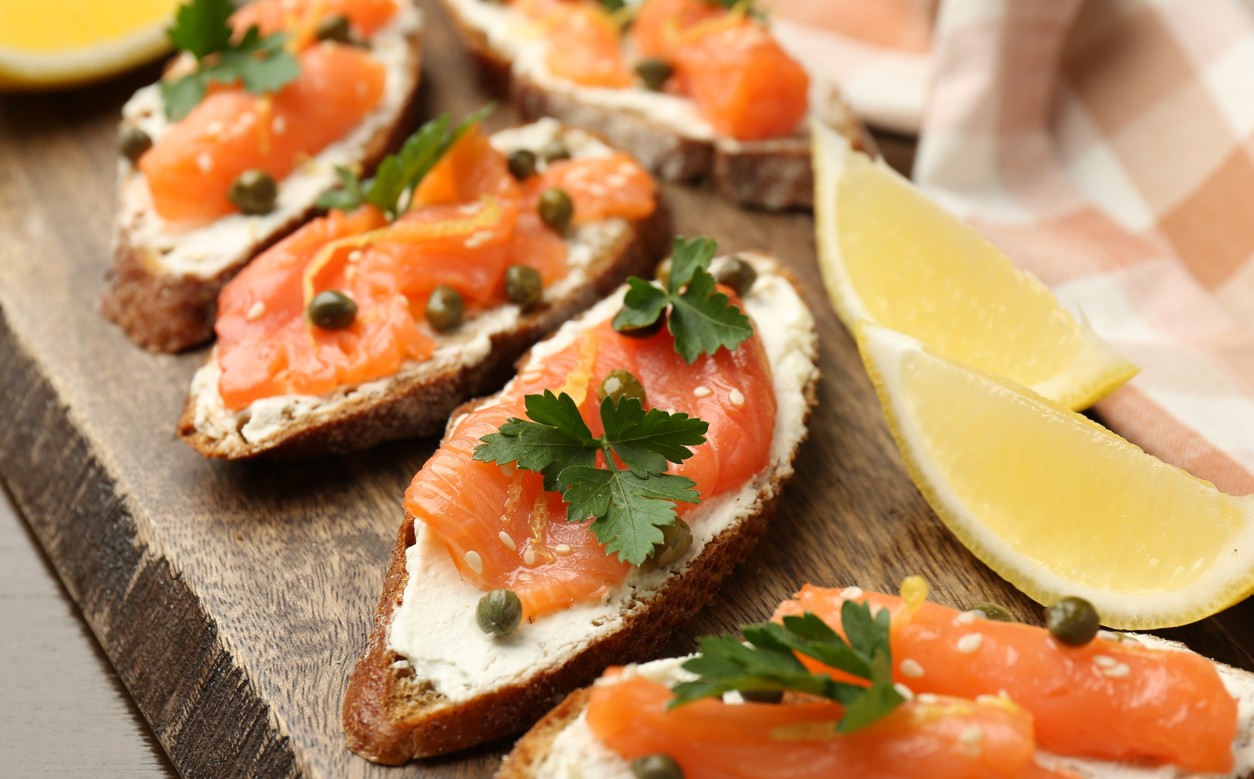
Anchorage is best known for its wild Alaska salmon, which appears on menus in countless forms, from simply grilled fillets to smoked salmon spreads, chowders, and burgers. Reindeer sausage has become a local icon, featured at breakfast, served as hot dogs, or used as pizza toppings. This distinctly Alaskan specialty adapts European sausage-making traditions to locally raised reindeer, a domesticated form of caribou.
Halibut, prized for its firm, mild white flesh, is another staple and is commonly served as fish and chips, grilled steaks, or refined entrées in upscale restaurants. King crab legs from the icy Bering Sea represent the height of indulgence, usually steamed and served with drawn butter. Birch syrup, Alaska’s alternative to maple syrup, offers a subtle, woodsy sweetness used on pancakes and in glazes. Akutaq, often referred to as Eskimo ice cream, is a traditional Alaska Native dish made from whipped fat and berries, representing foodways that continue to influence contemporary Alaskan cuisine.
Everyday Alaskan Food
Breakfast in Anchorage often reflects the state’s gold rush heritage, with sourdough pancakes or waffles made from long-maintained starters that once sustained prospectors through harsh winters. Reindeer sausage omelets provide a hearty, protein-rich start to the day. Lunch menus frequently feature salmon sandwiches, halibut burgers, and seafood chowders, offering casual ways to enjoy local catches.
Moose and caribou appear regularly as burgers, steaks, or stews, offering lean, flavorful alternatives to beef. Seasonal desserts highlight wild berries such as blueberries, salmonberries, cloudberries, and lingonberries, often foraged from nearby landscapes. Pilot bread, a dense, shelf-stable cracker originally designed for long expeditions, still appears in traditional meals and remains a symbol of Alaska’s practical culinary history.
Seafood Culture and Fishing Heritage
As a major hub for Alaska’s commercial fishing industry, Anchorage’s seafood culture is deeply ingrained. During fishing seasons, restaurants often serve fish that has been out of the water for only hours. Five species of Pacific salmon—King, Sockeye, Coho, Pink, and Chum—appear on menus according to their seasonal runs, each offering distinct flavor and texture.
Smoked salmon is a particular specialty, prepared using both Indigenous and commercial smoking techniques and ranging from lightly cured to candy-like. Fish markets and processors allow visitors to observe filleting and smoking operations or purchase seafood for shipment. Many restaurants highlight “boat-to-table” or “hook-to-table” sourcing, emphasizing the remarkably short journey from Alaska’s waters to Anchorage’s plates.
Street Food and Market Culture
Anchorage’s street food scene comes alive during the warmer months, centered around food trucks and outdoor markets. Downtown food carts selling reindeer hot dogs have become iconic, offering quick and satisfying meals for locals and visitors alike. Food truck gatherings showcase a mix of Alaskan ingredients and international flavors.
The Anchorage Market & Festival, held on weekends from May through September, combines food vendors, local crafts, and live music, making it an ideal place to sample a wide range of Alaskan foods in one location. Farmers’ markets, though limited by the short growing season, feature greenhouse-grown produce, local honey, and artisan products. Year-round microgreen farms ensure fresh greens even during the long winter months.
International Dining and Contemporary Scene
Despite its remote location, Anchorage offers a surprisingly diverse international dining scene, shaped by its military presence, oil industry workforce, and growing multicultural population. Korean, Thai, Vietnamese, Mexican, and Filipino restaurants are particularly well represented and widely enjoyed.
Fine dining in Anchorage has evolved rapidly, with chefs incorporating wild Alaskan ingredients into polished, contemporary dishes. Brewpubs and distilleries have flourished, producing craft beers and spirits infused with local elements such as spruce tips, birch, and wild berries. Neighborhoods like downtown and Spenard are hubs for innovative dining, while areas such as Turnagain blend classic Alaskan eateries with modern concepts.
Food Customs and Practical Tips
Dining in Anchorage is relaxed and welcoming, with even upscale restaurants embracing a frontier-inspired informality. Tipping of 15 to 20 percent is standard. Many restaurants close earlier than in the continental United States, especially outside the peak summer season, with last seating often around 9 PM.
Seasonality plays a major role in what is available. Salmon runs typically occur from May through September, while king crab season generally spans late autumn and early winter. Prices can be higher than elsewhere due to Alaska’s remoteness and transportation costs, but portions are often generous.
Wild game meats are leaner and more intensely flavored than domesticated meats, so expectations should be adjusted accordingly. Sampling Indigenous foods, when available, provides valuable insight into Alaska Native cultures and traditions. Late summer is an ideal time to visit, offering both peak salmon runs and berry season. Seafood dominates many menus, so vegetarians may want to research dining options in advance.
This guide covers what to eat in Anchorage, from wild Alaska seafood and reindeer sausage to Indigenous dishes and contemporary Alaskan cuisine. Use it alongside our Anchorage Travel Guide to plan your culinary exploration of Alaska’s urban wilderness gateway.
Check monthly weather averages for
Latest Secret Flying deals to Anchorage
Atlanta to Anchorage, Alaska (& vice versa) for only $279 roundtrip
Cheap flights from Atlanta to Anchorage, Alaska for only $279 roundtrip with Alaska Airlines. Also works in reverse.
View DealMelbourne, Australia to Anchorage, Alaska for only $1460 AUD roundtrip
Cheap flights from Melbourne, Australia to Anchorage, Alaska for only $1460 AUD roundtrip with Virgin Australia.
View DealWashington DC to Anchorage, Alaska for only $242 roundtrip
Cheap flights from Washington DC to Anchorage, Alaska for only $242 roundtrip with Alaska Airlines.
View Deal [adblockingdetector id="638efa67113bf"]