


Antigua and Barbuda Food Guide
Food in Antigua and Barbuda: What to Eat & Drink
Antigua and Barbuda’s culinary landscape is a vibrant expression of Caribbean heritage, shaped by African traditions, British colonial influence, and the natural abundance of the Eastern Caribbean Sea. Known as the land of 365 beaches, the twin-island nation has developed a food culture that reflects its past as a sugar-producing colony, its deep African diaspora roots, and its modern identity as a laid-back yet sophisticated island destination. The cuisine balances hearty, slow-cooked comfort food with ultra-fresh seafood, creating flavors that feel both soulful and unmistakably tropical.
Seafood, coconut, tropical fruits, root vegetables, and hot peppers form the backbone of Antiguan and Barbudan cooking. Dishes are typically robust, generously seasoned, and built around long-standing preservation and cooking techniques passed down through generations. Fertile volcanic soil yields excellent produce, while surrounding waters supply lobster, snapper, conch, and mahi-mahi. From roadside barbecue grills and rum shops to polished beachfront restaurants, dining across the islands offers a true taste of Caribbean life.
Local Specialities of Antigua and Barbuda
Antigua’s national dish, fungie and pepperpot, lies at the heart of the islands’ food identity. Fungie is a smooth cornmeal pudding similar to polenta, served alongside pepperpot, a rich, slow-simmered stew of meats, okra, eggplant, spinach, and aromatic spices. Ducana, another signature dish, is made from grated sweet potato mixed with coconut, sugar, and spices, wrapped in banana leaves and steamed. It is often paired with salt fish and reflects the islands’ skillful use of humble, local ingredients.
Salt fish remains a cornerstone of Antiguan cooking, a legacy of colonial-era preservation methods. It appears in breakfast dishes such as salt fish and chop-up, a medley of sautéed vegetables. Goat water, a deeply flavorful stew made with goat meat, breadfruit, and warming spices, is a popular weekend and celebratory dish. Johnny cakes, lightly fried dough rounds, are served alongside meals or eaten on their own as snacks.
Everyday Caribbean Food
Breakfast in Antigua is often hearty, featuring salt fish with breadfruit, plantains, or akee. Lunch tends to revolve around rice and peas served with stewed chicken, fish, or pork, frequently accompanied by macaroni pie and fresh salad. Roti, introduced by Indian indentured laborers and adapted to Caribbean tastes, remains a popular handheld meal filled with curried meats or vegetables.
Seafood dominates everyday dining, with fried snapper, curried conch, and grilled lobster appearing frequently, especially during the fishing season. Callaloo soup, made from leafy greens similar to spinach, provides nourishing comfort. Plantains are a constant presence, prepared fried, baked, or boiled. Fresh coconut water, often cracked open on the spot, is a common and refreshing drink throughout the islands.
Street Food and Local Eats
Street food culture in Antigua revolves around weekend barbecues, fish fries, and roadside grills. The Sunday barbecue at Shirley Heights is legendary, combining grilled meats, local music, and sweeping views over English Harbour. Friday night fish fries, particularly in the English Harbour area, offer freshly caught seafood in lively, communal settings.
Roadside vendors sell coconut bread, tamarind balls, sugar cake made with coconut, and peanut brittle. Rum shops function as neighborhood gathering places, serving simple meals alongside drinks and conversation. Food trucks and mobile stalls across the islands offer barbecue chicken, fried fish, and other local favorites at all hours.
Seafood Culture and Beach Dining
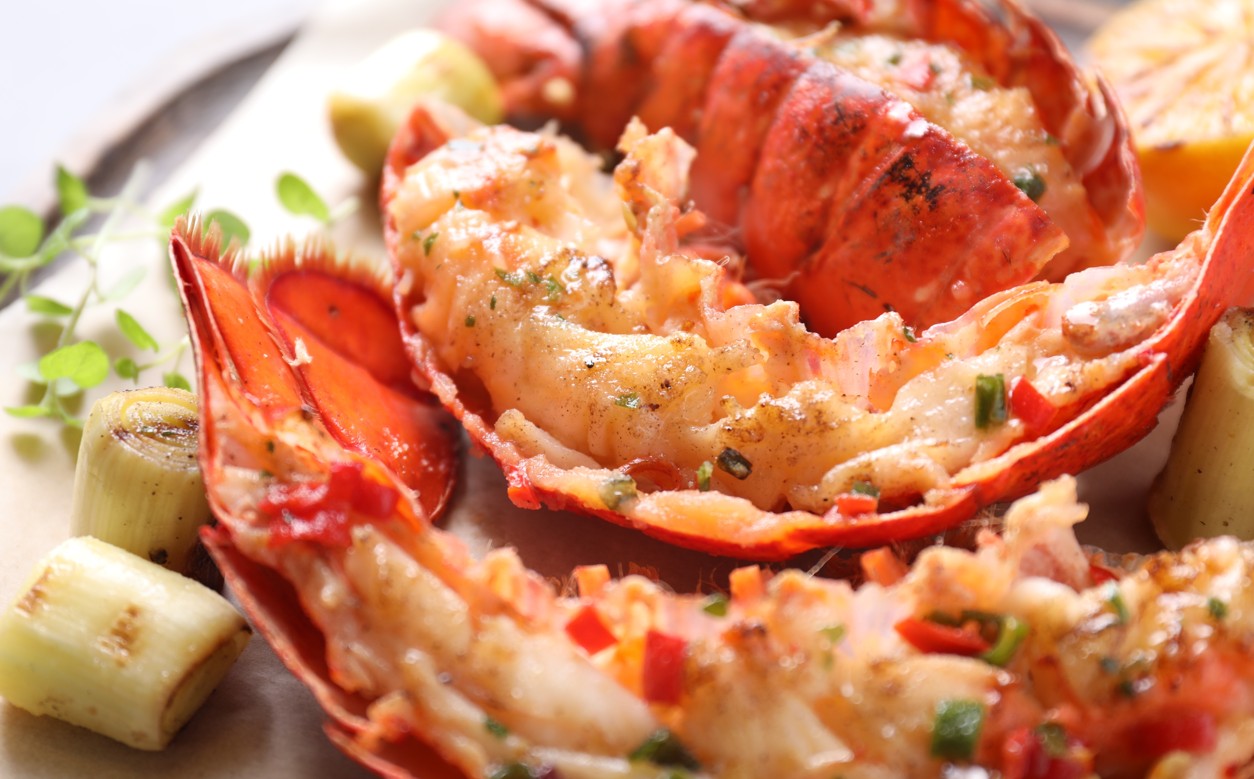
Seafood is central to life in Antigua and Barbuda. Lobster season, typically from August through March, is highly anticipated, with lobster served grilled, baked, or chilled in salads. Conch appears in fritters, chowders, and salads, prized for its firm texture and subtle sweetness.
Beach bars and seaside restaurants specialize in relaxed dining with ocean views, serving grilled fish, seafood platters, and Caribbean classics straight from the grill. Many establishments operate on a catch-of-the-day basis, depending on what local fishermen bring in each morning. Whelks and other shellfish are still gathered locally and prepared in traditional ways, reflecting enduring foraging practices.
Rum Culture and Tropical Beverages
Rum plays a central role in Antiguan culture. The Antigua Distillery produces Cavalier rum, the island’s flagship spirit, which forms the base of countless local cocktails. Rum punch, piña coladas, and fruit-forward drinks are ubiquitous, while the Antigua Smile cocktail blends rum with tropical juices for a refreshing island signature.
Non-alcoholic drinks are equally distinctive. Mauby, made from tree bark, offers a bittersweet herbal flavor, while sorrel, a hibiscus-based drink, is especially popular around Christmas. Fresh juices combine mango, guava, passion fruit, soursop, and other tropical fruits. Coconut water remains the ultimate refreshment, sometimes mixed with rum for an island twist. Bush teas brewed from lemongrass, ginger, and fever grass are traditional remedies and comforting beverages.
Food Customs and Practical Tips
Dining in Antigua and Barbuda is relaxed, informal, and governed by island time. Service may be unhurried, and meals are meant to be enjoyed slowly. Tipping of around 10 to 15 percent is customary, and some restaurants add a service charge automatically, particularly in tourist areas.
Local eateries often provide better value and a more authentic experience than hotel restaurants. Spice levels can vary significantly, and homemade hot pepper sauces are often extremely potent. Bottled water is recommended for visitors, though tap water is generally safe. Cash is preferred at small, local establishments, while credit cards are widely accepted at hotels and larger restaurants.
Saturday morning markets in St. John’s are ideal for sampling local produce and prepared foods. Visitors are encouraged to try seasonal fruits such as soursop, golden apple, and star apple. When dining in local homes, tasting everything offered is considered polite. Respect local dress customs away from beaches, and consider a food tour or cooking class to gain deeper insight into the African and Caribbean roots of Antiguan cuisine.
This guide covers what to eat in Antigua and Barbuda, from national dishes and Caribbean staples to fresh seafood and tropical drinks. Use it alongside our Antigua and Barbuda Travel Guide to plan your culinary exploration of these beautiful Caribbean islands.
Check monthly weather averages for
Latest Secret Flying deals to Antigua and Barbuda
Non-stop from London, UK to Antigua and Barbuda for only £469 roundtrip
Non-stop flights from London, UK to Antigua and Barbuda for only £469 roundtrip with British Airways.
View DealNon-stop from New York to Antigua and Barbuda for only $286 roundtrip
Non-stop flights from New York to Antigua and Barbuda for only $286 roundtrip with American Airlines.
View DealEdinburgh, Scotland to Antigua and Barbuda for only £452 roundtrip
Cheap flights from Edinburgh, Scotland to Antigua and Barbuda for only £452 roundtrip with British Airways.
View Deal [adblockingdetector id="638efa67113bf"]