


Astana Food Guide
Food in Astana: What to Eat & Drink
Astana’s culinary landscape is a striking fusion of nomadic Kazakh traditions, Soviet-era staples, and contemporary international influences, set against the bold, futuristic architecture of Kazakhstan’s purpose-built capital. Rising from the steppe in the late 1990s, the city—officially known as Nur-Sultan for a period—has developed a food culture that bridges centuries-old pastoral customs with its role as a modern political and economic hub. Astana’s cuisine reflects Kazakhstan’s position at the crossroads of Europe and Asia, where Russian, Central Asian, Korean, Turkish, and indigenous Kazakh culinary traditions intersect.
Staple ingredients such as horse and lamb meat, dairy products, wheat, rice, and root vegetables form the foundation of traditional Kazakh cooking. At the same time, Astana’s status as the national capital has attracted a growing range of international restaurants and upscale dining concepts. The city’s extreme continental climate, marked by long, severe winters and hot summers, has shaped both traditional preservation techniques and modern dining habits. From yurt-style restaurants serving ceremonial dishes to sleek cafés housed in glass-and-steel landmarks, Astana offers a culinary journey through Kazakhstan’s past, present, and future.
Local Specialities of Astana
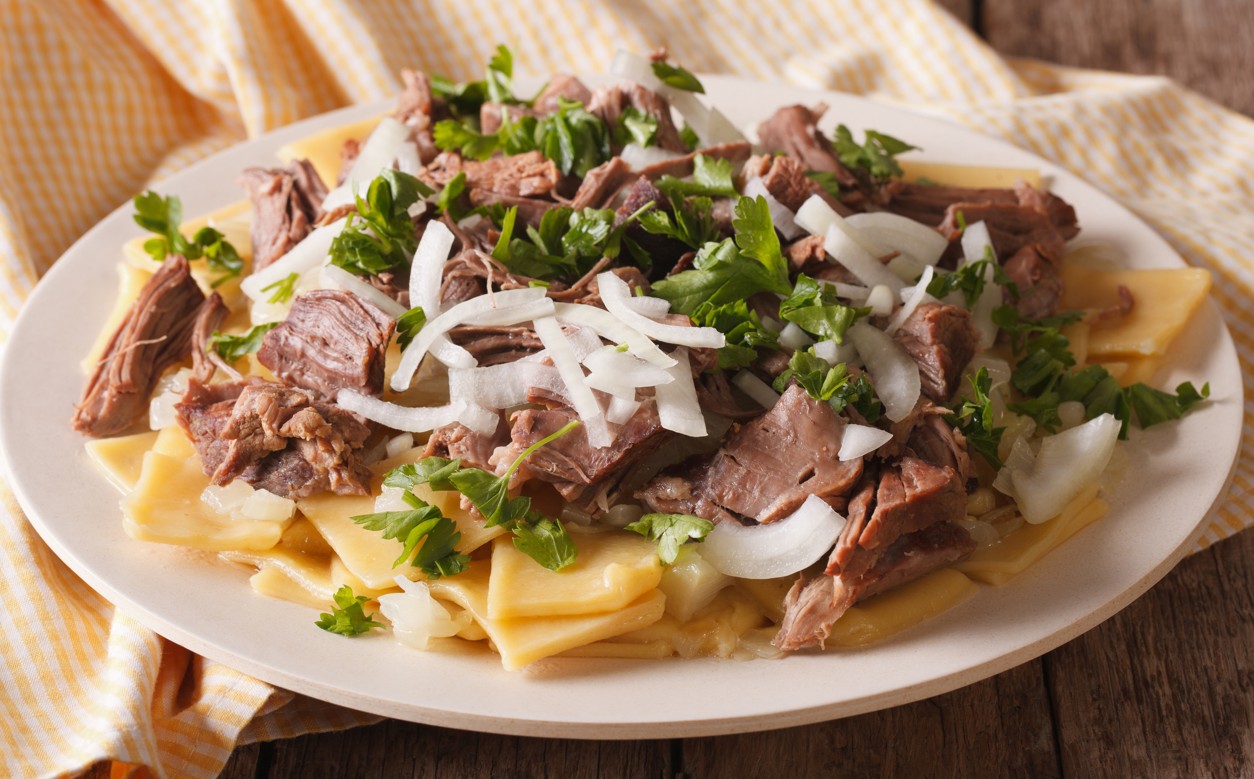
Astana is best known for beshbarmak, Kazakhstan’s national dish, whose name means “five fingers,” referring to the traditional practice of eating it by hand. This ceremonial meal consists of boiled horse or lamb served over wide flat noodles called kespe, topped with a lightly seasoned onion sauce and shared communally during celebrations and important gatherings.
Plov, originally from Uzbek cuisine, is widely enjoyed and adapted locally, often prepared with carrots, raisins, and occasionally kazy, a traditional horse sausage. Manti, large steamed dumplings filled with lamb or pumpkin, are another Central Asian staple found throughout the city. Horse meat sausages such as kazy and shuzhuk highlight the cultural importance of horses in Kazakh life. Baursaki, small pieces of fried dough, accompany most traditional meals and are offered to guests as a symbol of hospitality.
Everyday Kazakh & Central Asian Food
Breakfast in Astana is typically simple and filling, featuring baursaki served with tea or kurt, dried fermented cheese balls valued for their long shelf life and high protein content. Laghman, hand-pulled noodles served with meat and vegetables in a richly seasoned sauce, reflects the influence of Uyghur cuisine from western China. Samsa, baked pastry triangles filled with meat, pumpkin, or potatoes, are popular snacks sold by bakeries and street vendors.
Sorpa, the rich broth produced when boiling meat for dishes like beshbarmak, is often served separately and believed to have restorative qualities. Shashlik, skewers of marinated meat grilled over charcoal, are especially popular during warmer months and appear in parks and outdoor cafés. Korean-style salads, particularly spicy carrot and potato dishes, reflect the legacy of the ethnic Korean community relocated to Kazakhstan during the Soviet era and have become an established part of everyday dining.
Street Food and Market Culture
Astana’s street food culture revolves around markets such as the Green Market and seasonal bazaars. These lively spaces offer fresh dairy products like kymyz, fermented mare’s milk, and ayran, a yogurt-based drink, alongside dried fruits, nuts, spices, and ready-to-eat dishes. Market food courts provide affordable Central Asian meals and attract both locals and visitors.
Street vendors sell samsa fresh from traditional tandyr ovens, while shashlik stands appear near public spaces during the warmer seasons. Despite Astana’s reputation for extreme cold, ice cream vendors selling rich Russian-style plombir are popular during the city’s hot summers. In recent years, modern food courts and food trucks have emerged in shopping centers and public squares, expanding the range of both local and international options.
Dairy Culture and Traditional Beverages
Dairy products hold a central place in traditional Kazakh culture. Kymyz is considered a national drink and has a distinctive tangy flavor, with natural fermentation producing varying levels of alcohol. Shubat, made from fermented camel’s milk, is stronger and more sour and is prized for its perceived health benefits.
Ayran provides refreshing relief in summer, while kefir is widely consumed year-round. Tea culture is strong, with black tea typically served hot and robust, often accompanied by sweets or dried fruits. Although Islam is the predominant religion, alcohol is widely available, including Kazakh and Russian beers, vodka, and increasingly, wines produced in southern regions of the country.
International Dining and Contemporary Scene
As Kazakhstan’s capital and fastest-growing city, Astana offers a surprisingly diverse international dining scene. Modern districts on the Left Bank feature restaurants serving European, Asian, Middle Eastern, and fusion cuisines. Russian restaurants specialize in pelmeni and borscht, while Georgian establishments are known for khachapuri and khinkali.
Café culture has expanded alongside the city’s architectural development, with specialty coffee shops and patisseries blending European techniques with local ingredients. Modern Kazakh restaurants reinterpret traditional dishes using contemporary presentation and refined techniques. Food halls and upscale food courts have also become popular, particularly around Khan Shatyr and Nurzhol Boulevard, making it easier to explore the city’s dining scene despite its wide layout.
Food Customs and Practical Tips
Traditional Kazakh dining follows specific customs, especially during ceremonial meals such as beshbarmak. The guest of honor may be presented with the sheep’s head, which is then shared according to tradition, with different parts symbolically offered to different guests. When eating from a communal platter, it is customary to use the right hand.
Meal times are flexible, with lunch typically eaten between early and mid-afternoon and dinner in the evening. Tipping of around 5 to 10 percent is becoming more common, particularly in international restaurants, though it is not yet universal. Many establishments include a service charge, so it is advisable to check the bill.
Street food is generally safe when freshly cooked and served hot. Bottled water is recommended, as tap water quality can vary. Hospitality is highly valued, and guests are often encouraged to eat generously. Refusing food or tea may be considered impolite, and tasting kymyz when offered is a sign of respect. Dress casually but neatly for most restaurants, noting that upscale venues may enforce dress codes. Visiting during Nauryz, the spring festival in late March, offers a chance to experience special traditional foods and celebrations.
This guide covers what to eat in Astana, from traditional Kazakh dishes like beshbarmak to Central Asian staples and modern international dining. Use it alongside our Astana Travel Guide to plan your culinary exploration of Kazakhstan’s futuristic capital.
Check monthly weather averages for
Latest Secret Flying deals to Astana
XMAS: Non-stop from Tashkent, Uzbekistan to Astana, Kazakhstan for only $158 USD roundtrip
Non-stop, Christmas flights from Tashkent, Uzbekistan to Astana, Kazakhstan for only $158 USD roundtrip.
View DealNon-stop from Warsaw, Poland to Astana, Kazakhstan for only €286 roundtrip
Non-stop flights from Warsaw, Poland to Astana, Kazakhstan for only €286 roundtrip with LOT Polish Airlines.
View DealRiga, Latvia to Astana, Kazakhstan for only €239 roundtrip
Cheap flights from Riga, Latvia to Astana, Kazakhstan for only €239 roundtrip with Turkish Airlines.
View Deal [adblockingdetector id="638efa67113bf"]