


Asunción Food Guide
Food in Asunción: What to Eat & Drink
Asunción’s culinary landscape is a revealing expression of Paraguay’s unique cultural identity, where indigenous Guaraní traditions blend seamlessly with Spanish colonial heritage and subtle influences from neighboring Argentina and Brazil. As the oldest continuously inhabited city in the Río de la Plata basin, Asunción has developed a food culture that remains deeply rooted in rural traditions while gradually embracing urban refinement. The cuisine reflects Paraguay’s landlocked geography, agricultural abundance, and subtropical climate, resulting in dishes that are hearty, starch-forward, and closely tied to the country’s Guaraní-Spanish mestizo roots.
Core ingredients such as corn, mandioca (cassava), beef, cheese, and tropical fruits form the backbone of Paraguayan cuisine. Meals are defined by comforting textures, rich flavors, and the inventive use of simple, locally available ingredients. The Paraguay River provides freshwater fish, while surrounding cattle ranches produce some of South America’s finest grass-fed beef. From traditional parrillas to modest cocinas económicas serving home-style cooking, Asunción offers a culinary journey that feels authentic, generous, and deeply satisfying.
Local Specialities of Asunción
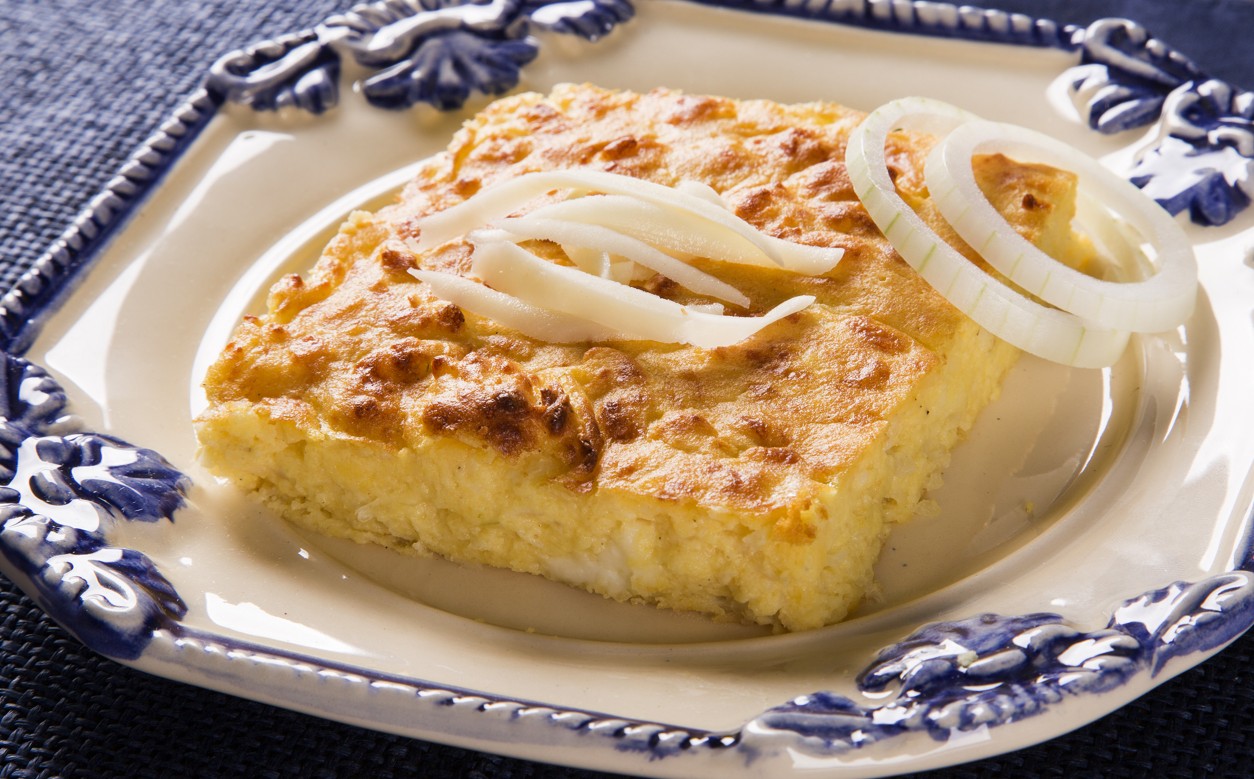
Asunción is best known for sopa paraguaya, a famously misnamed dish that is not a soup at all, but a dense, savory cornbread baked with cornmeal, cheese, onions, milk, and eggs. It is a cornerstone of Paraguayan cuisine and a clear example of the country’s mastery of corn-based cooking. Another national icon is chipa, a ring-shaped cheese bread made from mandioca starch and aniseed, sold throughout the city by street vendors and enjoyed at all hours of the day.
Vori vori, small cornmeal-and-cheese dumplings served in a flavorful chicken broth, represents the essence of Paraguayan comfort food. Asado culture is central to daily life, with parrillas serving exceptional beef grilled simply over wood or charcoal. Mbejú, a cassava starch flatbread cooked with cheese and fat, reflects indigenous Guaraní culinary traditions. Pira caldo, a spicy river fish soup, and so’o yosopy, a nourishing meat and rice soup, round out the repertoire of traditional dishes.
Everyday Paraguayan Food
Breakfast in Asunción often features cocido, a strong tea made from yerba mate and sugar, sometimes mixed with milk, accompanied by chipa or fresh bread. Lunch is the main meal of the day and typically includes dishes such as pastel mandi’o (fried cassava dough filled with meat), milanesa (breaded meat cutlet), or stewed meats served with mashed potatoes or ensalada rusa.
Empanadas, both baked and fried, are widely available with fillings ranging from beef and chicken to cheese. Locro, a hearty corn-and-meat stew, provides filling nourishment. Freshwater fish such as surubí and pacú appear grilled or in soups. Tropical fruits including mango, papaya, guava, and maracuyá (passion fruit) feature prominently in juices, desserts, and refreshing snacks.
Street Food and Market Culture
Asunción’s street food scene is lively and deeply embedded in daily life. Chipa vendors operate from early morning, often carrying baskets of warm bread through markets and bus terminals. Lomito árabe stands serve a uniquely Paraguayan take on shawarma, with shaved meat served in bread and dressed with local sauces. Empanada carts provide quick, filling meals throughout the city.
Markets such as Mercado 4 and the Mercado de Abasto offer immersive food experiences, with stalls selling fresh produce, meats, herbs, and prepared dishes. Yerba mate vendors display numerous varieties of Paraguay’s national drink. Fresh juice stands blend tropical fruits on demand, while heladerías offer both classic and local fruit-based ice cream flavors.
Beef Culture and Parrilla Dining
Paraguay is one of South America’s major beef producers, and Asunción’s asado culture reflects this proudly. Parrillas range from informal neighborhood grills to refined steakhouses, all focused on high-quality, grass-fed beef cooked slowly over wood fires. Popular cuts include entraña (skirt steak), vacío (flank steak), and asado de tira (short ribs).
Mixed grills often include chorizo paraguayo, morcilla, and offal cuts, served alongside mandioca, sopa paraguaya, and simple salads. Beyond the food itself, asado is a social ritual—meals are long, relaxed, and shared among family and friends, embodying Paraguay’s communal approach to dining.
Yerba Mate Culture and Beverages
Yerba mate is central to Paraguayan life, functioning as both a beverage and a social institution. Tereré, Paraguay’s distinctive cold mate, is prepared by steeping yerba mate in cold water—often infused with herbs—and shared communally through a bombilla from a guampa. This ritual represents hospitality, friendship, and daily social interaction.
Cocido serves as the hot alternative, particularly during cooler months. Local beers, including Pilsen and Brahma, are widely consumed, while caña, a sugarcane-based spirit, appears in cocktails and as a digestif. Fresh fruit juices provide popular non-alcoholic options, and wine—mostly imported from Argentina and Chile—is commonly enjoyed with meals.
Food Customs and Practical Tips
Dining in Asunción is relaxed and social, with lunch typically served between noon and early afternoon and dinner eaten later in the evening. Tipping around 10 percent is appreciated in restaurants, though it is less common in casual eateries.
When sharing tereré, it is polite to accept when offered and never adjust the bombilla. Street food is generally safe when freshly prepared and served hot—busy vendors are usually the best choice. Bottled water is recommended, as tap water quality can vary. Many restaurants offer a menú del día at lunchtime, providing excellent value.
Expect generous portions—Paraguayan food is famously filling. When invited into a home, it is polite to try everything offered, especially chipa, which symbolizes hospitality. Learning a few food-related Spanish phrases is helpful, as English is not widely spoken. For deeper insight into local cuisine, consider a cooking class or guided food tour focused on Paraguay’s distinctive Guaraní-Spanish culinary heritage.
This guide covers what to eat in Asunción, from traditional dishes like sopa paraguaya and chipa to asado culture and yerba mate rituals. Use it alongside our Asunción Travel Guide to plan your culinary exploration of Paraguay’s historic capital.
 [adblockingdetector id="638efa67113bf"]