


Bali Food Guide
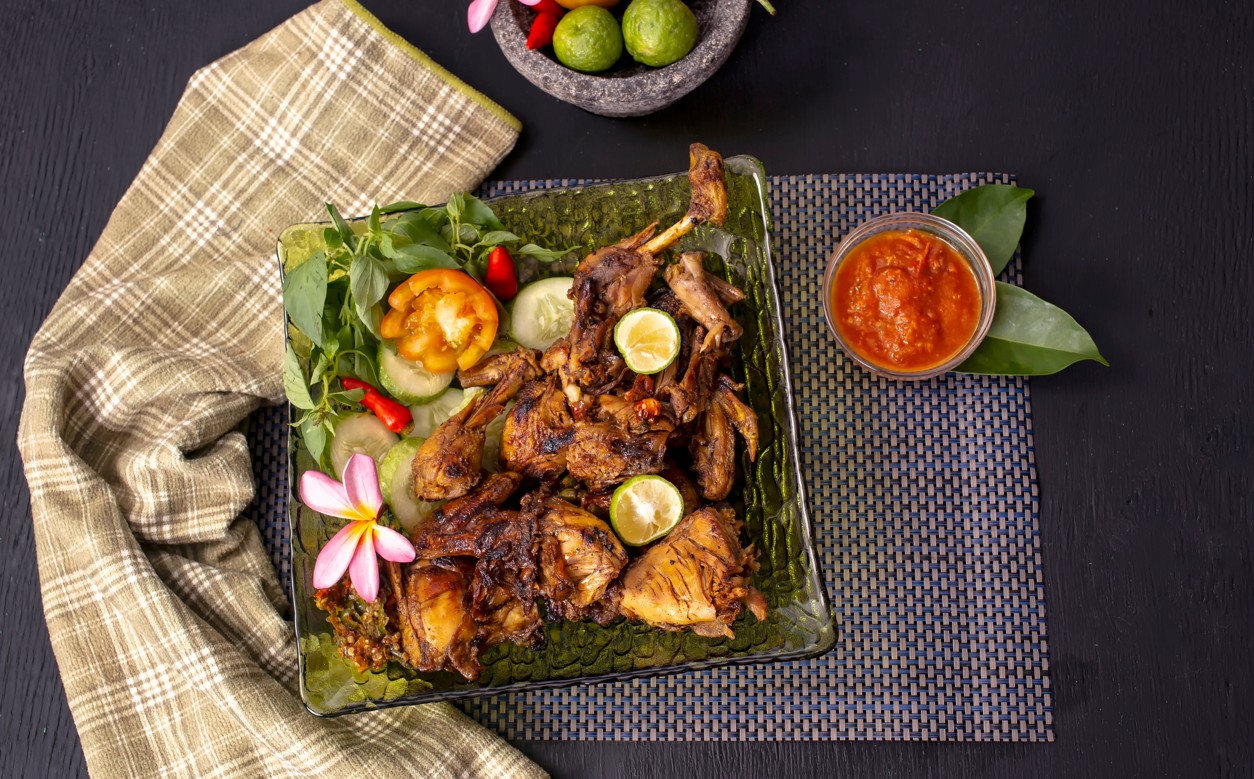
Food in Bali: What to Eat & Drink
Bali’s culinary landscape is a vibrant expression of Indonesian heritage, Hindu-Balinese traditions, and the island’s remarkable agricultural and marine bounty. As Indonesia’s most famous island destination, Bali has developed a distinctive food culture where ancient rituals, daily offerings, and modern creativity coexist. Traditional warungs (family-run eateries) sit alongside world-class restaurants, reflecting an island where food is inseparable from spirituality, community, and place.
Core ingredients such as rice, coconut, fresh seafood, tropical fruits, and an extraordinary array of herbs and spices form the foundation of Balinese cuisine. Dishes are defined by complex spice pastes (bumbu), vibrant freshness, and ceremonial significance rooted in Balinese Hinduism. From fertile volcanic highlands to rich coastal waters, Bali’s diverse microclimates support exceptional produce and seafood. Whether eaten at a roadside warung or a cliffside fine-dining restaurant, Balinese food offers a deeply immersive journey into Indonesia’s Island of the Gods.
Local Specialities of Bali
Bali is best known for babi guling, spit-roasted suckling pig rubbed with turmeric, galangal, lemongrass, and other spices, then slow-roasted until the meat is tender and the skin crackling. Once reserved for temple ceremonies, it is now available at specialist warungs and remains one of the island’s most iconic dishes.
The island’s signature ceremonial dish, bebek betutu, features duck marinated in a rich spice paste, wrapped in banana leaves, and slow-cooked for hours until deeply aromatic and falling off the bone. Lawar, a finely chopped salad of vegetables, coconut, herbs, and sometimes minced meat, varies by village, season, and ritual significance. Sate lilit, minced fish or meat wrapped around lemongrass stalks and grilled, represents Bali’s distinctive take on satay.
Nasi campur, or mixed rice with small portions of multiple dishes, is the best introduction to Balinese flavours, while tum—meat or fish steamed in banana leaf parcels—highlights delicate seasoning and gentle cooking techniques. Even rice itself holds spiritual meaning, often shaped and coloured for daily offerings at temples and shrines.
Everyday Balinese & Indonesian Food
Breakfast in Bali is typically simple, with bubur (rice porridge) or nasi goreng (fried rice) topped with egg. Lunch and dinner revolve around rice served with a variety of accompaniments: ayam (chicken), ikan (fish), sayur (vegetables), and sambal (chili paste). Mie goreng offers a noodle-based alternative to rice-focused meals.
Along the coast, fresh seafood dominates menus, with grilled fish, prawns, and squid paired with sambal matah, a raw relish of shallots, chili, lemongrass, and lime. Gado-gado, vegetables dressed in peanut sauce, provides a popular vegetarian option, while soto ayam, a turmeric-scented chicken soup, offers comforting nourishment. Tropical fruits such as mangosteen, salak (snake fruit), rambutan, and Bali’s sweet oranges appear fresh, juiced, or as desserts.
Street Food and Warung Culture
Bali’s street food scene is accessible and varied. Night markets (pasar malam) serve favourites like bakso (meatball soup), grilled satay, and martabak—stuffed pancakes in both sweet and savoury versions. Street carts selling es campur, shaved ice with fruit and syrups, provide refreshing relief from the tropical heat.
Traditional warungs remain the heart of Balinese dining. Food is often displayed in glass cabinets, with diners pointing to their selections. Bali’s coffee culture spans strong, sweet kopi Bali to internationally acclaimed specialty cafés, particularly in Ubud, Canggu, and Seminyak. Fresh juice stands blend tropical fruits with ginger, turmeric, or lime, reflecting the island’s natural wellness focus.
Seafood Culture and Beach Dining
As an island, Bali’s relationship with seafood is deeply ingrained. Jimbaran Bay is famous for its beachfront seafood restaurants, where diners choose fresh fish, prawns, crab, or lobster from ice displays before they are grilled over coconut husk charcoal. Popular dishes include ikan bakar (grilled fish with sweet soy sauce), cumi bakar (grilled squid), and udang bakar (grilled prawns).
Elsewhere, beachside warungs and cafés in Sanur, Canggu, and Amed serve seafood with ocean views. Many restaurants rely on daily catches supplied by local fishing communities using both traditional outrigger canoes and modern boats. ‘Catch of the day’ menus are common and reflect the island’s close connection to the sea.
International Dining and Wellness Cuisine
Bali’s global popularity has created one of Southeast Asia’s most diverse international dining scenes. Seminyak and Canggu feature restaurants offering everything from Australian-style brunch and Italian cuisine to Japanese omakase and Mexican street food. Ubud has become a center for vegetarian, vegan, and wellness-focused dining, emphasizing organic, locally sourced ingredients.
The island’s fine dining scene includes several internationally acclaimed restaurants, often set against dramatic backdrops of cliffs, jungles, or rice terraces. Café culture has expanded rapidly, blending traditional Balinese flavours with modern presentation. Despite the global influences, most establishments incorporate local ingredients and Indonesian techniques at their core.
Food Customs and Practical Tips
Dining in Bali ranges from informal to refined. Tipping (5–10%) is appreciated in restaurants but not expected in warungs. Many establishments add service charge and tax to bills. Reservations are recommended for popular restaurants, especially during peak season.
At warungs, simply point to the dishes you want. Street food is generally safe when freshly cooked—busy stalls are a good indicator. Drink bottled water and avoid ice from uncertain sources. Balinese food can be spicy; pedas means spicy, while tidak pedas indicates mild.
Be respectful around ceremonial food and temple festivals. Use your right hand when eating without utensils, as the left is traditionally considered unclean. Try local fruits at markets—vendors often offer samples. Cooking classes are an excellent way to understand Balinese spices and techniques. Be aware that some warungs close on religious holidays.
This guide covers what to eat in Bali, from babi guling and bebek betutu to seafood, warung classics, and international cuisine. Use it alongside our Bali Travel Guide to plan your culinary exploration of Indonesia’s Island of the Gods.
Check monthly weather averages for
Latest Secret Flying deals to Bali
Non-stop from Perth, Australia to Bali, Indonesia for only $247 AUD roundtrip
Non-stop flights from Perth, Australia to Bali, Indonesia for only $247 AUD roundtrip with Jetstar.
View DealNon-stop from Brisbane, Australia to Bali, Indonesia for only $447 AUD roundtrip
Non-stop flights from Brisbane, Australia to Bali, Indonesia for only $447 AUD roundtrip with Jetstar.
View DealCanberra, Australia to Bali, Indonesia for only $584 AUD roundtrip
Cheap flights from Canberra, Australia to Bali, Indonesia for only $584 AUD roundtrip with Virgin Australia.
View Deal [adblockingdetector id="638efa67113bf"]