


Beirut Food Guide
Food in Beirut: What to Eat & Drink
Beirut’s culinary landscape is a magnificent celebration of Lebanese heritage, Mediterranean bounty, and the resilient spirit of the so-called “Paris of the Middle East.” As Lebanon’s cosmopolitan capital and one of the Arab world’s most dynamic cities, Beirut has developed a food culture that balances ancient Levantine traditions with refined contemporary dining. The city’s cuisine reflects its position at the crossroads of East and West, its Phoenician maritime legacy, and its layered modern identity.
Core ingredients such as olive oil, garlic, lemon, fresh herbs, grains, and lamb form the foundation of Beirut’s cuisine. Dishes are defined by bright, clean flavors, abundant mezze, and the legendary hospitality for which Lebanese culture is known. Nestled between mountains and the Mediterranean Sea, Beirut enjoys access to both fertile farmland and fresh seafood. From traditional mezze restaurants in historic neighborhoods to modern eateries in revitalized districts, Beirut offers a culinary journey through Lebanon’s rich gastronomic heritage and creative present.
Local Specialities of Beirut
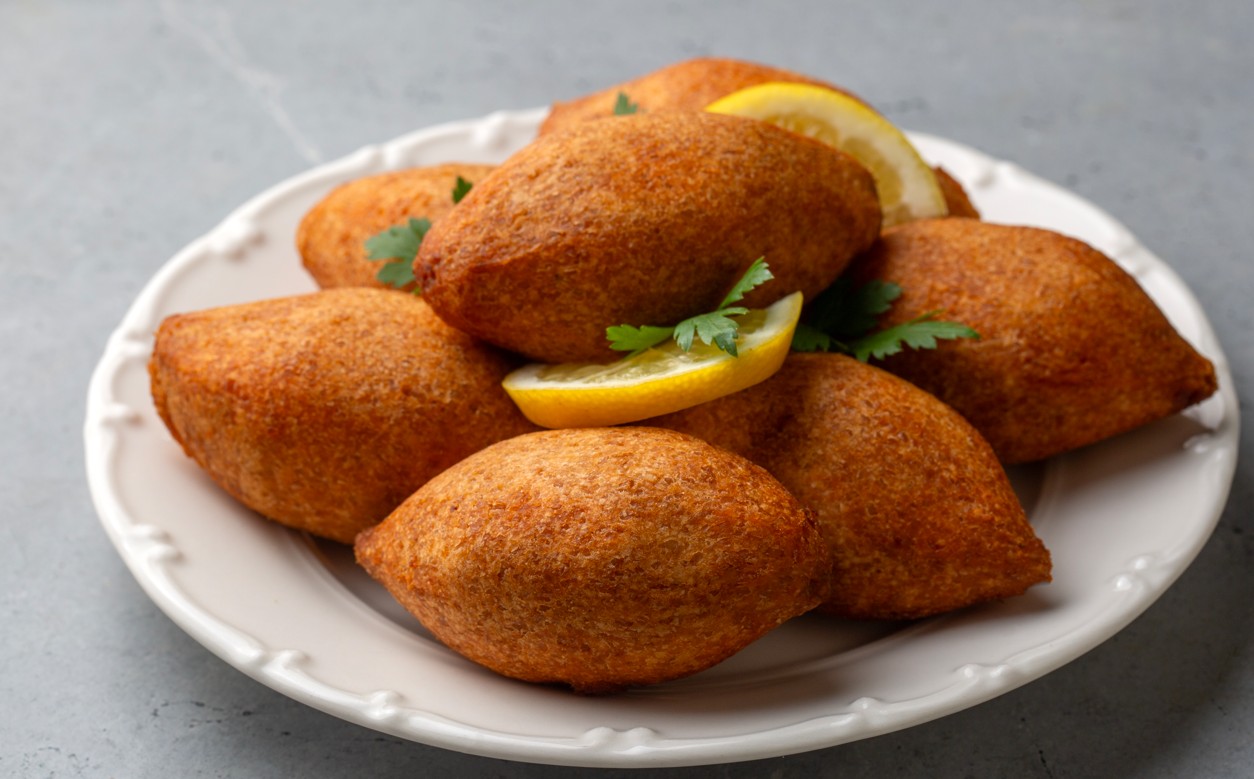
Beirut is celebrated for kibbeh, Lebanon’s national dish made from finely ground meat, bulgur, and spices. It appears in numerous forms, including raw (kibbeh nayyeh), baked (kibbeh bil sanieh), and fried croquettes. The city’s iconic breakfast, manakish, consists of flatbread topped with za’atar, cheese, or minced meat and baked in stone ovens. Fattoush, a vibrant salad of vegetables, toasted bread, and sumac, exemplifies Beirut’s mastery of fresh, acidic flavors.
Tabbouleh, the parsley-forward salad dressed with lemon and olive oil, showcases Lebanon’s love of herbs. Shawarma, carved from vertical spits and served in flatbread, is essential Beirut street food. Kanafeh, a sweet cheese pastry soaked in syrup, is a beloved dessert specialty with some of the country’s best examples found in Beirut. Sayadieh, fish cooked with spiced rice and caramelized onions, reflects the city’s Mediterranean coastal traditions.
Everyday Lebanese & Levantine Food
Breakfast in Beirut typically includes labneh (strained yogurt), olives, cheese, tomatoes, cucumbers, and fresh bread drizzled with olive oil and za’atar. Lunch, often the main meal, features grilled meats such as shish taouk (marinated chicken) and kafta (spiced minced meat), served with rice, salads, and mezze. Meals usually begin with an array of small dishes meant for sharing.
Hummus reaches near-perfection in Beirut, often served warm and topped with olive oil or meat. Other mezze staples include baba ghanoush and moutabal (eggplant dips), warak enab (stuffed grape leaves), and fried falafel. Fresh seafood such as red mullet, sea bass, and calamari appears grilled or fried. Lebanese rice, commonly cooked with vermicelli or aromatic spices, accompanies most main dishes, while fresh herbs like mint and parsley are used generously.
Mezze Culture and Social Dining
Mezze is more than a meal in Beirut—it is a social ritual. Traditional dining often begins with dozens of small plates covering the table, followed by grilled meats or seafood, and finished with desserts, fruit, and coffee. The experience emphasizes sharing, conversation, and unhurried enjoyment.
Classic mezze includes hummus, tabbouleh, fattoush, falafel, sambousek (fried pastry triangles), and a wide range of salads and dips. Hot mezze such as fried kibbeh, cheese rolls, and meat pastries follow cold dishes. Mezze can be enjoyed in casual neighborhood restaurants or upscale establishments offering extensive tasting menus that showcase Lebanon’s culinary breadth.
Street Food and Market Culture
Beirut’s street food scene is lively and deeply ingrained in daily life. Falafel and shawarma stands are found throughout the city, with many residents fiercely loyal to their neighborhood favorites. Manakish bakeries operate from early morning, producing fresh flatbreads throughout the day. Vendors selling ka’ak (sesame bread rings) provide convenient snacks for people on the move.
Markets such as Souk el Tayeb, which highlights local farmers and producers, and traditional souks in areas like Hamra and Gemmayzeh offer immersive food experiences. Spice shops display colorful blends, olive oil vendors offer tastings, and sweet shops showcase baklava, maamoul (stuffed cookies), and seasonal desserts like atayef during Ramadan. Fresh juice stands serve refreshing blends of seasonal fruits.
Seafood Culture and Coastal Dining
As a Mediterranean capital, Beirut enjoys a strong seafood tradition. Restaurants along the Corniche and in nearby coastal communities specialize in fresh fish and shellfish. Popular dishes include sayadieh, samke harra (spicy fish with tahini and chili), and simply grilled fish served with tarator (lemon-tahini sauce).
Raw seafood bars offering oysters, sea urchins, and shrimp have grown in popularity. Many restaurants allow diners to select fish directly from displays before grilling. Seafood mezze—such as octopus salad, shrimp with garlic and lemon, and marinated anchovies—often accompany main dishes.
International Dining and Contemporary Scene
Beirut’s cosmopolitan character is reflected in its international dining scene. French influence is evident in patisseries, cafés, and fine dining, while Armenian, Iraqi, and other Middle Eastern cuisines appear in specialized restaurants. European, Asian, and fusion concepts cater to Beirut’s diverse and sophisticated audience.
Modern Lebanese restaurants reinterpret traditional recipes with contemporary techniques and presentation. Beirut’s café culture is renowned, blending traditional Arabic coffee houses with modern specialty cafés. Rooftop bars and seaside lounges combine creative cocktails with sweeping Mediterranean views. Despite global influences, most establishments retain a strong Lebanese culinary identity.
Food Customs and Practical Tips
Dining in Beirut is deeply social, with meals often lasting several hours. Bread is used to scoop food, and sharing from common plates is the norm. Lunch is typically served between 1 and 3 PM, while dinner starts later, especially during summer months.
Tipping of 10–15% is expected in restaurants, and many establishments add a service charge. Street food is generally safe when freshly prepared and hot, though bottled water is recommended. When invited to a Lebanese home, bringing a small gift and sampling everything offered is polite. Coffee should never be refused—it is an essential gesture of hospitality.
Expect generous portions and repeated offers of food. Learn to say “sahtein” (double health) before eating and reply “dayman” (always) when thanked. This guide covers what to eat in Beirut, from mezze culture and Lebanese classics to seafood, street food, and contemporary dining. Use it alongside our Beirut Travel Guide to plan your culinary exploration of Lebanon’s vibrant capital.
Check monthly weather averages for
Latest Secret Flying deals to Beirut
Berlin, Germany to Beirut, Lebanon for only €186 roundtrip
Cheap flights from Berlin, Germany to Beirut, Lebanon for only €186 roundtrip.
View DealAmsterdam, Netherlands to Beirut, Lebanon for only €202 roundtrip
Cheap flights from Amsterdam, Netherlands to Beirut, Lebanon for only €202 roundtrip.
View DealBucharest, Romania to Beirut, Lebanon for only €223 roundtrip
Cheap flights from Bucharest, Romania to Beirut, Lebanon for only €223 roundtrip with Aegean Airlines.
View Deal [adblockingdetector id="638efa67113bf"]