


Belgrade Food Guide
Food in Belgrade: What to Eat & Drink
Belgrade’s culinary landscape is a hearty celebration of Serbian traditions, Balkan flavors, and the city’s resilient spirit as the “White City” at the confluence of the Danube and Sava rivers. As Serbia’s capital and largest city, Belgrade has developed a distinctive food culture shaped by centuries of Ottoman, Austro-Hungarian, and Slavic influence, blended with modern urban energy. The city’s cuisine reflects its role as a historic crossroads of empires, its fertile agricultural hinterland, and its reputation for vibrant nightlife, producing dishes that are substantial, comforting, and deeply rooted in Serbian hospitality.
Core ingredients such as pork, paprika, ajvar (roasted red pepper relish), kajmak (clotted cream), and fresh bread form the foundation of Belgrade’s cuisine. Meals are defined by bold flavors, generous portions, and the central role of grilled and slow-cooked meats. The city’s location between two great rivers provides freshwater fish, while surrounding plains supply vegetables, dairy, and grains. From traditional kafanas (taverns) with live music to modern restaurants along the Sava riverfront, Belgrade offers a culinary journey through Serbia’s past and present.
Local Specialities of Belgrade
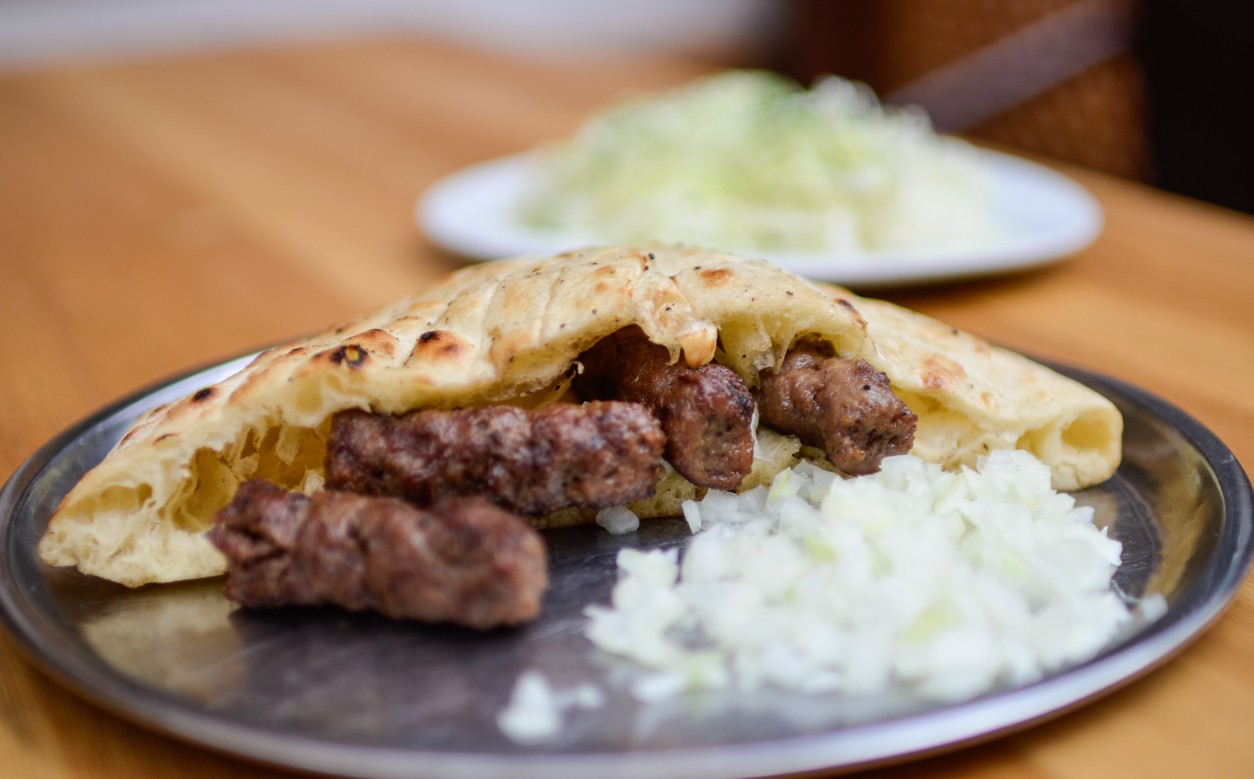
Belgrade is celebrated for its ćevapi, small grilled minced-meat sausages served with somun (flatbread), chopped onions, and kajmak, representing one of Serbia’s most beloved dishes. The city’s signature plate, pljeskavica, is a Balkan-style meat patty larger and more richly seasoned than a burger, often stuffed with cheese or kajmak and served in lepinja bread.
Karađorđeva šnicla, a rolled pork or veal cutlet stuffed with kajmak, breaded and fried, then served with tartar sauce, is a classic of Serbian restaurant cuisine. Ajvar appears on nearly every table, while sarma (cabbage leaves stuffed with minced meat and rice) provides comforting winter nourishment. Prebranac, slow-baked beans with onions and paprika, highlights Serbia’s rustic bean dishes. Gibanica, a layered phyllo pastry filled with cheese and eggs, is eaten at any time of day. Rakija, particularly šljivovica (plum brandy), anchors Serbian hospitality rituals.
Everyday Serbian & Balkan Food
Breakfast in Belgrade often features burek, flaky phyllo pastry filled with meat, cheese, or spinach, traditionally eaten with a glass of yogurt. Lunch is typically the main meal, consisting of grilled meats, seasonal salads, and bread. Common accompaniments include šopska salad (tomatoes, cucumbers, onions, grated white cheese) and urnebes, a spicy cheese and pepper spread.
Grilled meats dominate daily menus: ražnjići (skewers), vešalica (grilled pork loin), and mixed grills (mešano meso). Freshwater fish from the Danube and Sava—especially carp and catfish—appear fried or in stews. Dairy products, particularly kajmak and regional cheeses, feature prominently. Fresh bread, including traditional pogača, accompanies every meal.
Kafana Culture and Traditional Dining
Kafanas are Serbia’s quintessential social dining institutions, combining food, drink, music, and conversation. These taverns range from modest neighborhood spots to historic venues with live tamburica or folk music. Dining in a kafana is a leisurely, communal experience involving shared plates, repeated rakija toasts, and long conversations.
Traditional kafanas serve Serbian classics in lively settings that often encourage spontaneous singing and celebration. Many have histories stretching back decades, preserving traditional décor and atmosphere. The customary order begins with rakija and meze before moving on to grilled meats and stews. While smoking regulations have changed, the kafana remains central to Belgrade’s social life.
Street Food and Market Culture
Belgrade’s street food scene centers on ćevapi and pljeskavica stands, particularly around Skadarlija’s bohemian streets and near Kalemegdan Fortress. Burek bakeries operate from early morning, while roasted corn and chestnut vendors appear during colder months.
The city’s markets—especially Zeleni Venac and Kalenić pijaca—offer insight into everyday Serbian food culture. Autumn brings fresh ajvar sales, while dairy stalls offer tastings of kajmak and regional cheeses. Pickle vendors sell barrels of kiseli kupus (sauerkraut) and preserved vegetables. Modern food halls such as Beton Hala combine traditional flavors with contemporary dining concepts.
Rakija Culture and Beverages
Rakija is Serbia’s national drink and a cornerstone of social ritual. Šljivovica (plum brandy) is the most iconic, but popular varieties include apricot (kajsijevača), quince (dunjevača), and grape (loza). Rakija is sipped slowly, often with meze, and accompanied by frequent toasts of “živeli!”
Serbian wine, particularly from nearby regions such as Fruška Gora and Župa, has improved markedly in quality. Beer is widely consumed, with domestic brands like Jelen and Lav common. Turkish-style coffee, brewed in a džezva and served with rahat lokum (Turkish delight), reflects Ottoman influence. Non-alcoholic staples include kisela voda (sparkling mineral water) and fresh juices.
International Dining and Contemporary Scene
As Serbia’s capital and an increasingly popular European city, Belgrade offers a growing range of international dining options. Austro-Hungarian influences remain visible in pastry shops and cafés, while Italian, Middle Eastern, and Asian restaurants are widely available. Modern Serbian restaurants reinterpret traditional dishes using contemporary techniques and presentation.
The Savamala district and riverfront areas have emerged as hubs for creative dining and nightlife. Belgrade’s café culture is legendary, with terraces active year-round. Rooftop bars provide panoramic river views, blending food, drink, and social life. Despite global influences, most restaurants maintain a strong Serbian identity and emphasize local ingredients.
Food Customs and Practical Tips
Dining in Belgrade is social and often celebratory, particularly in kafanas where meals can last for hours. Tipping around 10% is customary in restaurants, and reservations are recommended for popular venues, especially those offering live music.
When drinking rakija, pace yourself—it is considerably stronger than wine. Refusing rakija may be seen as impolite, as it symbolizes hospitality. Dishes are typically shared family-style, and bread is used to scoop food and soak up sauces. Learning a few Serbian phrases for ordering and toasting is appreciated.
Explore both traditional kafanas and contemporary restaurants to understand Belgrade’s full culinary range. Expect generous portions—abundance is a point of pride. Try ajvar with as many dishes as possible; it is Serbia’s defining condiment. Consider a food tour to gain insight into the city’s layered culinary history. This guide covers what to eat in Belgrade, from Serbian classics and Balkan specialities to rakija culture and modern dining. Use it alongside our Belgrade Travel Guide to plan your culinary exploration of Serbia’s vibrant capital.
Check monthly weather averages for
Latest Secret Flying deals to Belgrade
Tokyo, Japan to Belgrade, Serbia for only $482 USD roundtrip
Cheap flights from Tokyo, Japan to Belgrade, Serbia for only $482 USD roundtrip.
View DealLondon, UK to Belgrade, Serbia for only £17 roundtrip (Wizz members price)
Flights from London, UK to Belgrade, Serbia for only £17 roundtrip.
View DealTunis, Tunisia to Belgrade, Serbia for only $216 USD roundtrip (Feb-Apr dates)
Cheap flights from Tunis, Tunisia to Belgrade, Serbia for only $216 USD roundtrip with Lufthansa.
View Deal [adblockingdetector id="638efa67113bf"]