


Belize Food Guide
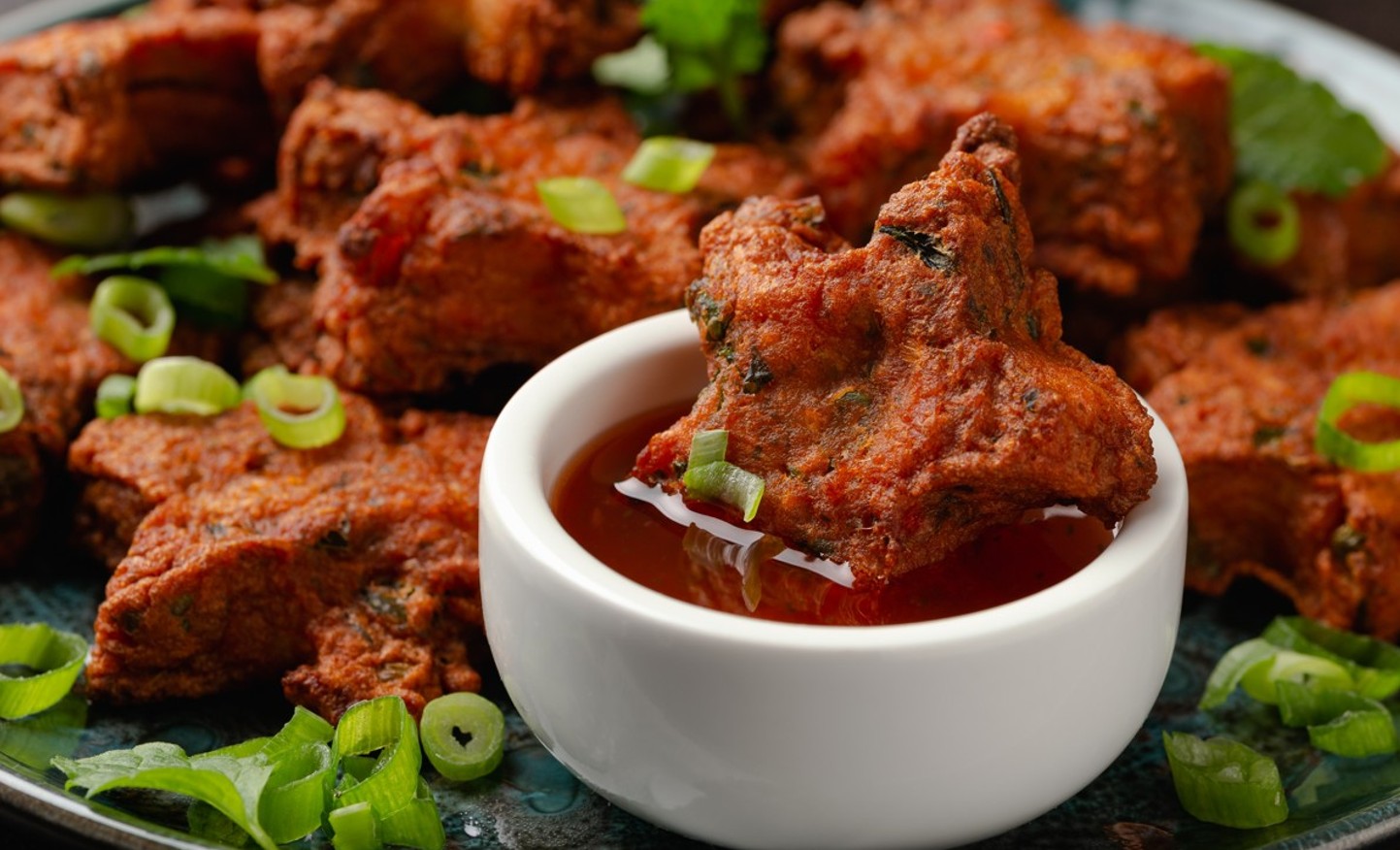
Food in Belize: What to Eat & Drink
Belize’s culinary landscape is a vibrant fusion of Caribbean, Latin American, Maya, Garifuna, and Creole traditions, creating one of Central America’s most diverse and flavorful food cultures. As the only English-speaking country in the region with a Caribbean coastline, Belize has developed a distinctive cuisine that blends coastal seafood traditions with inland agricultural and jungle influences. The country’s food reflects its role as a cultural crossroads, its British colonial past, and its rich natural environment, producing dishes that are hearty, aromatic, and deeply connected to Belize’s multicultural identity.
Core ingredients such as rice, beans, coconut, fresh seafood, tropical fruits, and habanero peppers form the foundation of Belizean cuisine. Dishes are typically bold yet uncomplicated, relying on fresh ingredients and slow, traditional cooking methods. Belize’s geography—stretching from the Caribbean Sea to dense rainforest—ensures access to both marine bounty and fertile farmland. From beachside grills serving lobster to inland kitchens preserving ancient Maya recipes, Belize offers a culinary journey through one of the region’s most culturally layered nations.
Local Specialities of Belize
Belize is best known for its rice and beans cooked in coconut milk, the national staple served at virtually every meal, usually alongside stewed chicken, beef, or fish. The country’s signature comfort dish, stew chicken with rice and beans, features chicken simmered in recado (achiote paste), onions, and spices until tender and deeply flavorful.
Hudut, the Garifuna national dish, consists of mashed green and ripe plantains served with a coconut-based fish soup, representing the Afro-Caribbean heritage of Belize’s coastal communities. Conch fritters highlight Caribbean seafood traditions, while gibnut—a large rodent sometimes nicknamed the “royal rat” after being served to Queen Elizabeth II—appears in stews as part of Belize’s bush-meat heritage. Banana-leaf-wrapped tamales differ from Mexican versions, and Marie Sharp’s hot sauce, made from local habanero peppers, has become Belize’s most famous culinary export.
Everyday Belizean Food
Breakfast in Belize often includes fry jacks, puffy pieces of deep-fried dough served with eggs, beans, cheese, or meat. Lunch is typically centered around rice and beans or street foods like garnaches—fried tortillas topped with refried beans, cheese, and cabbage. Dinner may feature more elaborate stews or freshly caught seafood.
Coastal areas emphasize seafood such as lobster (in season), conch, shrimp, snapper, and grouper, prepared grilled, fried, or in ceviche. Cowfoot soup, made with slow-cooked cow feet, offers rich, gelatinous nourishment. Escabeche, a light chicken and onion soup, reflects Spanish influence, while chimole (black soup) made with recado and poultry delivers deep, smoky flavor. Tropical fruits—including mango, papaya, pineapple, and soursop—appear fresh, juiced, or as desserts.
Street Food and Roadside Eats
Belize’s street food scene is relaxed, affordable, and central to daily life. Market stalls in towns such as San Ignacio and Belize City serve garnaches, salbutes, and tacos filled with local meats. Bakeries and small shops sell savory meat pies, while fruit vendors display a wide variety of tropical produce.
Roadside grills prepare chicken, pork, or fish served with rice and beans. Coconut vendors offer fresh coconut water straight from the shell. Johnny cakes, dense baked biscuits, are common at breakfast and as snacks. In tourist areas, modern food trucks have emerged, offering Belizean classics alongside international fare.
Seafood Culture and Coastal Dining
As a Caribbean nation, seafood plays a central role in Belizean coastal life. Lobster season (June 15 to February 14) is especially celebrated, with lobster prepared grilled, in salads, or with garlic butter. Conch appears in fritters, ceviche, and stews, while snapper and grouper are often grilled simply with local spices.
Beach bars and casual restaurants offer ocean-view dining focused on seafood platters and tropical cocktails. Many operate on a “catch of the day” basis depending on morning landings. Caye Caulker and Ambergris Caye are particularly known for vibrant seafood scenes, blending laid-back island culture with excellent fresh fish.
Maya and Indigenous Food Traditions
Belize’s Maya communities preserve some of the region’s oldest culinary traditions. Corn remains sacred, appearing in tortillas, tamales, and atole, a warm corn-based drink. Cochinita pibil, pork marinated in achiote and citrus then slow-cooked underground, is prepared for special occasions. Chaya, a nutrient-rich leafy green similar to spinach, is used in soups, eggs, and stews.
Traditional Maya chocolate, made by grinding cacao beans with spices, offers a deeply authentic taste experience. Cashew wine, fermented from cashew fruit, reflects indigenous brewing traditions. Restaurants and cultural centers around San Ignacio provide opportunities to experience these ancestral foodways firsthand.
Rum Culture and Tropical Beverages
Belize produces notable rum, particularly from Travellers Liquors, with One Barrel Rum gaining international recognition. Rum punches made with fresh fruit juices are widely enjoyed. Belikin, the national beer, is available as a lager, stout, and Lighthouse beer.
Non-alcoholic drinks include fresh coconut water, fruit juices—especially carrot juice with condensed milk—and the uniquely Belizean seaweed shake. Cashew wine provides a distinctive local option, while coffee from the Maya Mountains offers high-quality beans. Fresh fruit-based drinks remain everyday staples across the country.
Food Customs and Practical Tips
Dining in Belize is informal and relaxed, with “island time” often shaping service pace. Tipping of 10–15% is customary in restaurants, and some establishments include service charges. Casual attire is acceptable at most eateries, particularly along the coast.
Local restaurants generally offer more authentic Belizean flavors than hotel dining rooms. Spice levels can be high—habanero peppers are common—and Marie Sharp’s hot sauce appears on nearly every table. Drink bottled water where advised, though tap water is safe in most areas.
Seek out roadside vendors for authentic snacks and meals. Visit during lobster season for the freshest seafood. Be adventurous with tropical fruits and regional dishes. When invited into a Belizean home, sampling everything offered is considered polite. Consider a cooking class or food tour to fully appreciate Belize’s rich, multicultural culinary heritage.
This guide covers what to eat in Belize, from rice and beans and Caribbean seafood to Maya traditions and tropical beverages. Use it alongside our Belize Travel Guide to plan your culinary exploration of Central America’s Caribbean gem.
Check monthly weather averages for
Latest Secret Flying deals to Belize
Non-stop from Fort Lauderdale to Belize City, Belize for only $220 roundtrip
Non-stop flights from Fort Lauderdale to Belize City, Belize for only $220 roundtrip.
View DealPhoenix, Arizona to Belize City, Belize for only $296 roundtrip
Cheap flights from Phoenix, Arizona to Belize City, Belize for only $296 roundtrip with American Airlines.
View DealOttawa, Canada to Belize City, Belize for only $412 CAD roundtrip
Cheap flights from Ottawa, Canada to Belize City, Belize for only $412 CAD roundtrip with United Airlines.
View Deal [adblockingdetector id="638efa67113bf"]