


Bodrum Food Guide
Food in Bodrum: What to Eat & Drink
Bodrum’s culinary landscape is a sun-drenched expression of Aegean Turkish cuisine, where ancient fishing village traditions meet refined resort dining along Turkey’s iconic Turquoise Coast. As the cultural and social heart of the Bodrum Peninsula, the city has developed a food culture that balances deeply rooted local cooking with the sophistication expected of one of the Mediterranean’s most stylish holiday destinations. Bodrum’s cuisine reflects its position between the Aegean Sea and fertile inland valleys, its heritage as ancient Halicarnassus, and its modern identity as Turkey’s coastal playground.
Olive oil, fresh seafood, wild greens, local cheeses, and seasonal vegetables form the foundation of Bodrum’s cuisine, defined by light, clean flavors and a strong emphasis on freshness. The peninsula’s mild climate produces exceptional produce, while surrounding waters supply a daily catch of fish and shellfish. From traditional harbor balık restaurants to elegant terraces overlooking Bodrum Castle, dining here is inseparable from the sea, the sun, and an unhurried Aegean lifestyle.
Local Specialities of Bodrum
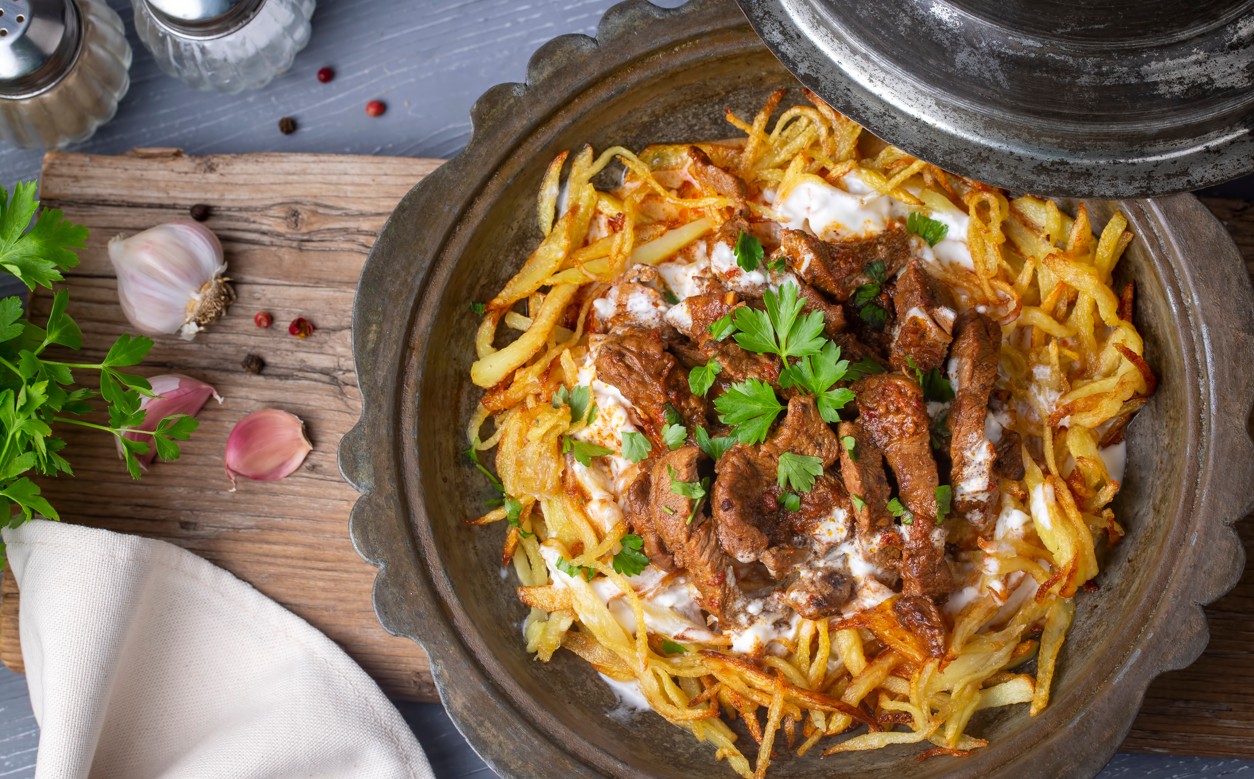
Bodrum is best known for çökertme kebabı, the peninsula’s signature dish. It consists of thinly sliced beef or lamb served over crispy fried potatoes, topped with garlic yogurt and tomato sauce—a rich yet perfectly balanced dish that originated in the region. Another local favorite is kumru, a warm sandwich made with special bread, grilled sausage, melted cheese, tomatoes, and pickles. Though originally from İzmir, kumru has become a popular Bodrum street food, especially late at night.
Bodrum mantısı, a local variation of Turkish dumplings, is typically smaller and served generously with yogurt and browned butter. Deniz börülcesi (sea beans), harvested from coastal marshes, is served simply with olive oil and lemon and exemplifies Bodrum’s love of wild Aegean greens. A wide range of zeytinyağlılar (olive oil–based vegetable dishes), including artichokes and green beans, reflect the region’s vegetable-forward cuisine. Seafood meze—particularly octopus salad, marinated calamari, and shrimp dishes—are central to Bodrum’s table. Sweet indulgences include katmer, a flaky pastry layered with clotted cream and pistachios.
Everyday Aegean Turkish Food
Breakfast in Bodrum is an experience rather than a meal. The traditional serpme kahvaltı (spread breakfast) features dozens of small plates: regional cheeses, olives, tomatoes, cucumbers, honey, kaymak (clotted cream), eggs, jams, and fresh bread. Lunch often centers on grilled fish or meze enjoyed with chilled white wine or rakı. Dinner may be lighter or extend the meze tradition into a long, social affair.
Seafood dominates everyday cooking: levrek (sea bass), çupra (sea bream), barbun (red mullet), and ahtapot (octopus) are prepared grilled, baked, or served cold in salads. Fresh herbs such as thyme, dill, mint, and oregano appear throughout Aegean dishes. Local cheeses include aged tulum and fresh beyaz peynir. Vegetables—eggplant, zucchini, peppers, and tomatoes—are used extensively, while fresh bread and simit accompany most meals.
Seafood Culture and Harbor Dining
Seafood lies at the heart of Bodrum’s culinary identity. Along the marina and harbor, fish restaurants invite diners to select their fish directly from ice displays, priced by weight and cooked simply to preserve natural flavor. Traditional wooden fishing boats still supply many establishments with daily catches.
Seafood meals are built around meze, with both cold and hot selections served before the main fish course. Classics include midye dolma (stuffed mussels), kalamar tava (fried calamari), and shrimp cooked with garlic and olive oil. The ritual of rakı–balık—rakı with fish—defines Bodrum evenings: slow dining, shared plates, and long conversations against a backdrop of sea views and castle lights.
Market Culture and Local Products
Bodrum’s famous Tuesday Market is one of the peninsula’s highlights, sprawling across several streets with stalls selling fresh produce, herbs, cheeses, olives, spices, and household goods. It offers an authentic look at local food culture and seasonal eating, with herb vendors and spice sellers particularly prominent.
Regional specialties include Bodrum mandarins, oranges, olives, and high-quality olive oil. Pine honey from nearby forests is widely sold by local beekeepers. Artisanal cheeses, homemade jams, and dried herbs are common market finds. Prepared foods such as gözleme (stuffed flatbread) and freshly squeezed juices are popular market snacks. Smaller neighborhood markets operate throughout the peninsula on other days.
International Dining and Resort Cuisine
As one of Turkey’s premier resort destinations, Bodrum offers an expansive international dining scene. The marina and beach club areas feature restaurants serving Italian, French, Japanese, and contemporary Mediterranean cuisine. Luxury hotels host some of the country’s most polished fine dining experiences, often paired with panoramic sea views.
Modern Turkish restaurants reinterpret Aegean traditions using contemporary techniques, while coastal villages such as Gümüşlük are known for creative, romantic dining—particularly at sunset. Despite global influences, most kitchens continue to emphasize local ingredients, seafood, and olive oil–based cooking.
Food Customs and Practical Tips
Dining in Bodrum ranges from casual beachside eateries to elegant evening restaurants. Tipping of 5–10% is appreciated, though not obligatory in casual settings. Service charges are common in tourist-heavy areas.
Fish is usually priced by weight—always confirm before ordering. Meze dishes are meant for sharing, so order multiple plates for the table. Rakı is traditionally diluted with water and sipped slowly alongside food. Allow plenty of time for breakfast, especially when enjoying a full serpme kahvaltı.
Visit the Tuesday Market early for the best experience. Explore smaller villages around the peninsula for quieter, more traditional meals. Sunset dining in Gümüşlük is a Bodrum ritual not to miss. Try wild greens and regional herbs when in season. Cooking classes and food tours offer excellent insight into Aegean cuisine. Note that many restaurants close between lunch and dinner outside peak summer season.
This guide covers what to eat in Bodrum, from Aegean Turkish specialties and seafood to markets, meze culture, and resort dining. Use it alongside our Bodrum Travel Guide to plan your culinary exploration of Turkey’s Turquoise Coast.
Check monthly weather averages for
Latest Secret Flying deals to Bodrum
London, UK to Bodrum or Dalaman, Turkey from only £37 roundtrip
Non-stop flights from London, UK to Bodrum or Dalaman, Turkey from only £37 roundtrip.
View DealDublin, Ireland to Dalaman or Bodrum, Turkey from only €33 roundtrip
Non-stop flights from Dublin, Ireland to Dalaman or Bodrum, Turkey from only €33 roundtrip.
View DealSUMMER: London, UK to Bodrum, Turkey for only £50 roundtrip
Non-stop, summer flights from London, UK to Bodrum, Turkey for only £50 roundtrip.
View Deal [adblockingdetector id="638efa67113bf"]