


Bogotá Food Guide
Food in Bogotá: What to Eat & Drink
Bogotá’s culinary landscape is a rich fusion of Andean tradition, Spanish colonial heritage, and modern Colombian innovation, unfolding at 2,640 metres above sea level in one of the world’s highest capital cities. As Colombia’s sprawling political and cultural heart, Bogotá has developed a food culture defined by comfort, diversity, and regional representation. The city’s cuisine reflects its high-altitude environment, its role as a national melting pot, and a recent gastronomic renaissance that has brought renewed confidence to traditional dishes.
Core ingredients such as potatoes, corn, beans, rice, and a variety of meats form the backbone of Bogotá’s cuisine, with dishes often built around substantial portions and layered carbohydrates designed to nourish in the cool Andean climate. While deeply rooted in highland traditions, Bogotá’s status as capital ensures strong influences from Colombia’s Caribbean, Pacific, Amazonian, and plains regions. From humble fondas serving steaming bowls of ajiaco to cutting-edge restaurants in Chapinero Alto and Zona G, Bogotá offers a culinary journey through Colombia’s past, present, and future.
Local Specialities of Bogotá
Bogotá is best known for ajiaco santafereño, the city’s signature soup and a defining dish of the Andean region. Made with chicken, corn on the cob, and three varieties of potatoes, it is flavoured with guascas, a native herb, and traditionally served with capers, cream, and avocado. Hearty and aromatic, ajiaco is perfectly suited to Bogotá’s cool mountain climate.
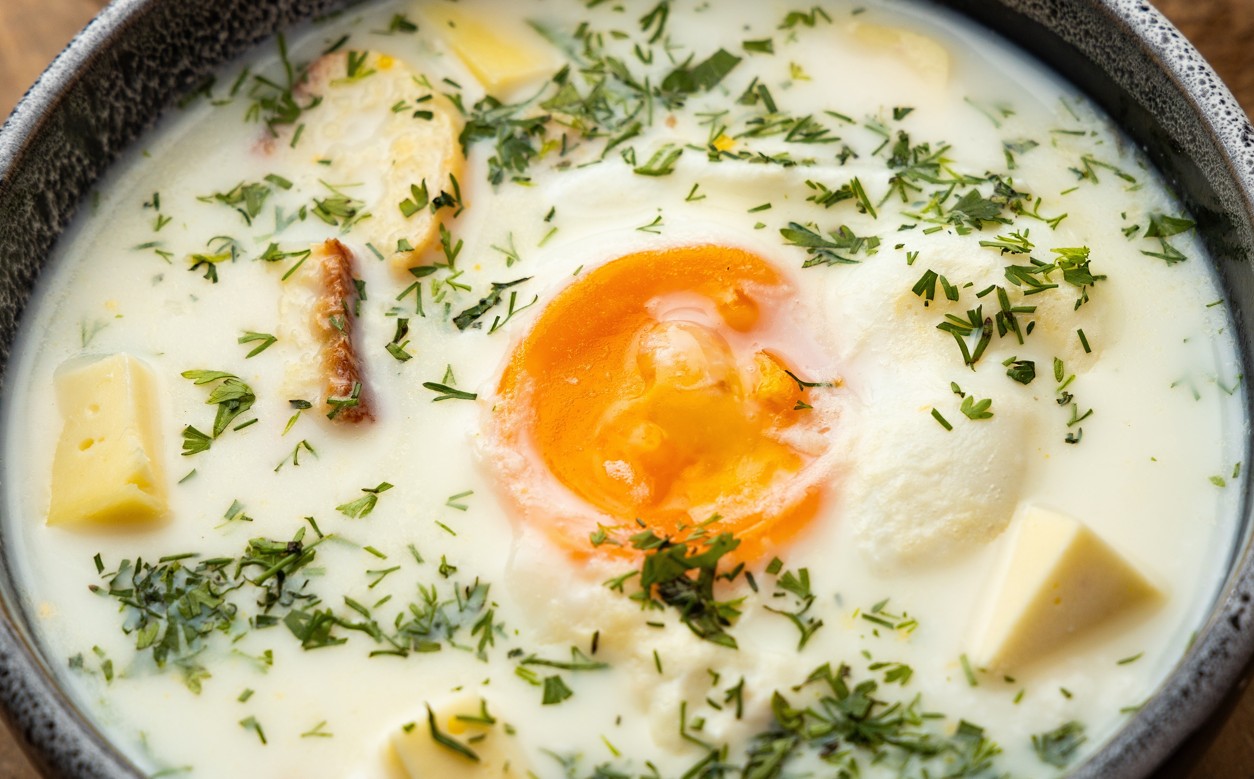
The city’s iconic tamal boyacense differs from other Colombian tamales, featuring corn dough filled with chicken, pork, eggs, peas, and carrots, all wrapped in banana leaves and steamed. Sobrebarriga bogotana, flank steak slow-cooked until tender in a tomato and onion sauce, showcases Bogotá’s comforting approach to beef dishes. Traditional breakfast options include changua, a milk-and-egg soup often served with bread, while almojábanas—cheese breads made with corn flour and fresh curd cheese—are popular snacks.
Classic sweets include postre de natas, a dessert made from milk skins layered with panela and cinnamon. On cold evenings, locals turn to canelazo, a warming drink of aguardiente, cinnamon, and unrefined cane sugar.
Everyday Colombian & Andean Food
Breakfast in Bogotá is often substantial, featuring caldo de costilla (beef rib broth) or huevos pericos (scrambled eggs with tomato and onion), served with arepa and hot chocolate. Lunch is the main meal of the day and typically includes soup followed by a main plate combining rice, beans, meat, plantains, avocado, and arepa. Affordable comida corriente restaurants provide filling daily menus for workers across the city.
Dishes such as sancocho (hearty soup with meat and vegetables) appear in Bogotá with Andean variations, while fritanga—a mixed platter of fried meats, sausages, offal, potatoes, and arepas—is popular on weekends and holidays. Fresh fruit juices made from Colombia’s extraordinary tropical produce accompany most meals. Coffee, served as tinto (black) or with milk, is a daily ritual, while panela sweetens drinks and desserts throughout the city.
Street Food and Market Culture
Bogotá’s street food scene is lively and accessible. Arepa vendors are everywhere, offering versions such as arepa de choclo (sweet corn), arepa de queso, and arepa boyacense, a thick, cheese-filled variety. Empanada stalls sell crispy fried pastries filled with meat or potatoes, while chorizo and oblea stands are common in parks and plazas.
Traditional markets such as Paloquemao and Plaza de Mercado de la Perseverancia are essential culinary destinations, showcasing produce and specialties from across Colombia. Fruit vendors display an astonishing variety of tropical fruits, while juice stalls prepare fresh jugos naturales. Snacks like mazamorra (corn drink) and salpicón (fruit cocktail) offer refreshing street-side treats. In recent years, modern food halls and food truck parks have added contemporary flair to Bogotá’s street food culture.
Regional Colombian Cuisines in Bogotá
As the national capital, Bogotá offers perhaps the most complete overview of Colombian regional cooking in one place. Restaurants dedicated to Caribbean cuisine serve coconut rice, fried fish, and seafood stews, while Antioquian eateries focus on bandeja paisa and mountain dishes. Amazonian restaurants highlight exotic river fish and fruits, and Llanos-style establishments specialise in grilled and roasted beef.
This diversity allows visitors to experience Colombia’s culinary geography without leaving the city. Many chefs blend regional influences into modern interpretations, and food festivals throughout the year celebrate Colombia’s regional identities and agricultural heritage.
International Dining and Contemporary Scene
Bogotá’s contemporary dining scene has expanded rapidly. Areas such as Zona G and Parque de la 93 concentrate upscale restaurants offering French, Italian, Japanese, Peruvian, and modern Latin American cuisine. At the same time, a new generation of Colombian chefs is reinterpreting traditional dishes using contemporary techniques and presentation.
The city’s café culture has flourished, with specialty coffee shops highlighting Colombia’s world-class beans and regional producers. Craft breweries and cocktail bars have also emerged, contributing to Bogotá’s growing reputation as a sophisticated Latin American food city while remaining firmly rooted in Colombian ingredients and flavors.
Food Customs and Practical Tips
Dining in Bogotá is social and relaxed, with meals often shared among family or friends. Lunch is typically eaten between 12–2 PM, while dinner is lighter and later. A 10% tip is customary in restaurants, and many establishments include a service charge on the bill.
When eating ajiaco, locals add capers, cream, and avocado to taste—opinions on the “correct” balance are strong. Arepas accompany nearly every meal, so try different regional styles. Street food is generally safe when freshly cooked—busy stalls are the best indicator.
Drink bottled water, and be cautious with raw vegetables outside reputable restaurants. Try aguapanela for a traditional sweet drink, and sample fruits at local markets where vendors often offer tastings. Consider joining a food tour to understand Bogotá’s culinary history and regional diversity. Keep in mind that the city’s altitude can affect appetite and digestion—eat lightly on your first day.
This guide covers what to eat in Bogotá, from Andean comfort dishes and Colombian classics to street food and modern dining. Use it alongside our Bogotá Travel Guide to plan your culinary exploration of Colombia’s high-altitude capital.
Check monthly weather averages for
Latest Secret Flying deals to Bogotá
Non-stop from Miami to Bogota, Colombia for only $395 roundtrip
Non-stop flights from Miami to Bogota, Colombia for only $395 roundtrip with Avianca.
View DealFort Lauderdale to Bogota, Colombia for only $376 roundtrip
Cheap flights from Fort Lauderdale to Bogota, Colombia for only $376 roundtrip with Copa Airlines.
View DealChicago to Bogota, Colombia for only $335 roundtrip
Cheap flights from Chicago to Bogota, Colombia for only $335 roundtrip.
View Deal [adblockingdetector id="638efa67113bf"]