


Borneo Food Guide
Food in Borneo: What to Eat & Drink
Borneo’s culinary landscape is a remarkable fusion of indigenous Dayak traditions, Malay and Bruneian influences, Chinese immigration, and the extraordinary biodiversity of the world’s third-largest island. Shared by Malaysia (Sabah and Sarawak), Indonesia (Kalimantan), and Brunei, Borneo has developed distinct regional food cultures shaped by rainforest interiors, vast river systems, and rich coastal waters. The island’s cuisine reflects one of Earth’s most ecologically diverse environments, its deep-rooted tribal cultures, and centuries of cultural exchange, creating food that is earthy, original, and inseparable from the land.
Core ingredients such as rice, sago, wild jungle ferns, freshwater fish, tropical fruits, and native herbs form the foundation of Bornean cuisine. Dishes are defined by foraging traditions, preservation methods developed for rainforest life, and a balance between inland indigenous cooking and coastal seafood cultures. From longhouse meals in Sarawak’s interior to bustling seafood markets in Kota Kinabalu, Borneo offers one of Southeast Asia’s most distinctive and least commercialised culinary journeys.
Local Specialities of Borneo
Borneo is best known for ambuyat, the national dish of Brunei and a regional staple in parts of Sabah and Sarawak. Made from sago palm starch, ambuyat has a glue-like texture and is eaten by twirling it around bamboo chopsticks before dipping into tangy, spicy sauces. Though unusual to first-time visitors, it represents the historic reliance on sago as a survival crop in swampy and forested regions.
Sarawak laksa is another iconic dish, featuring a rich, aromatic broth made from sambal belacan, coconut milk, and tamarind, topped with prawns, chicken, omelette strips, and rice vermicelli. It is distinctly different from laksa elsewhere in Malaysia. From Sabah comes hinava, a Kadazandusun dish of raw fish cured in lime juice with ginger, shallots, chilli, and bitter gourd—fresh, sharp, and deeply tiedquean in character.
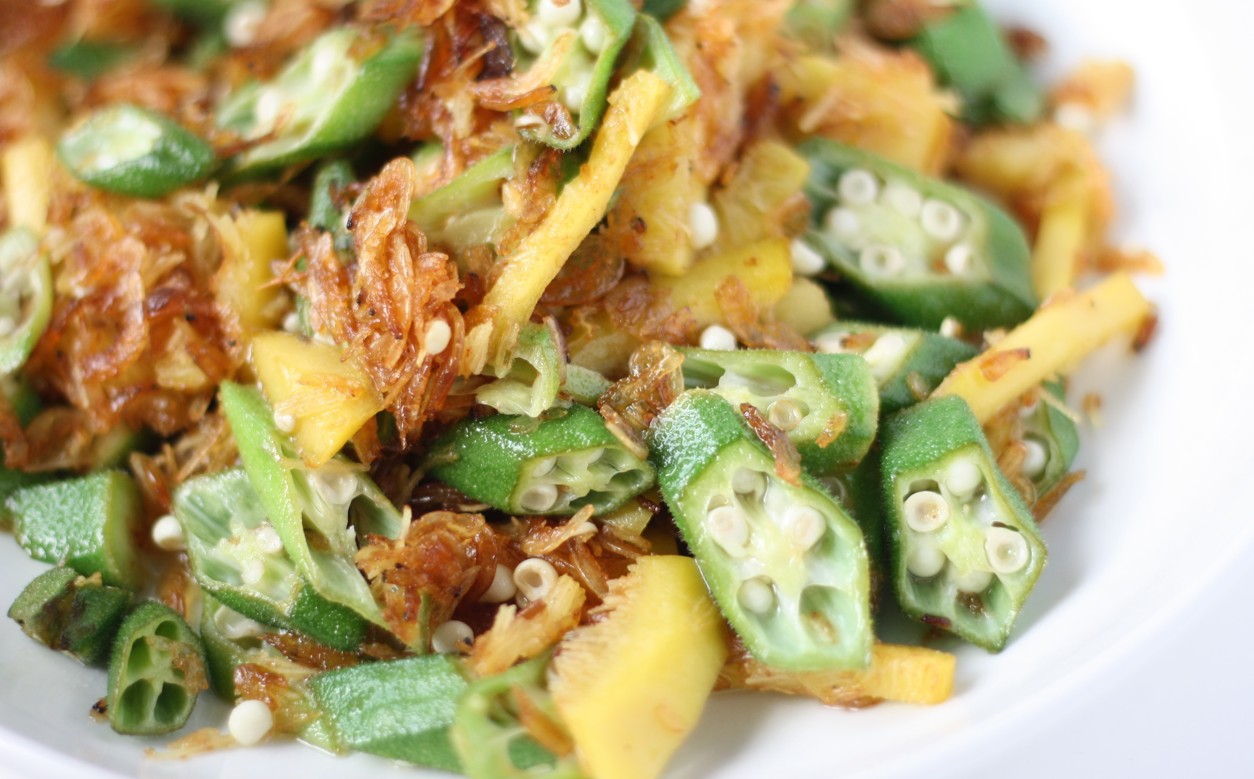
Wild ingredients define Bornean cooking. Midin, a jungle fern harvested from the rainforest, is stir-fried with garlic or shrimp paste. Manok pansoh, chicken cooked inside bamboo with lemongrass, ginger, and local leaves, represents a classic Dayak cooking method. Coastal Sarawak offers umai, a Melanau raw fish salad similar to hinava but seasoned differently. Tuak, a traditional rice wine brewed by Dayak communities, remains central to ceremonies and hospitality.
Everyday Bornean & Regional Food
Daily eating habits in Borneo vary widely by region and community. Breakfast in coastal areas may include nasi lemak or Sarawak’s kolo mee—dry noodles tossed with shallots, lard, and char siu. Lunch typically centres around rice with multiple side dishes, reflecting Chinese, Malay, or indigenous influences. Dinner can range from simple home cooking to elaborate seafood feasts.
Seafood dominates coastal diets: prawns, crabs, squid, and reef fish prepared in Chinese, Malay, or local styles. River fish such as patin and jelawat feature inland, often steamed or cooked in sour broths. Jungle produce—bamboo shoots, wild ginger, edible leaves—adds depth to traditional dishes. Seasonal fruits are exceptional, including durian, rambutan, langsat, and tarap, a pungent Bornean specialty rarely found elsewhere.
Indigenous Dayak Food Traditions
The indigenous Dayak peoples of Borneo maintain some of Southeast Asia’s oldest food traditions. Cooking in bamboo (pansoh) preserves moisture and flavour while requiring minimal tools. Foraged ingredients from the rainforest—ferns, fruits, shoots, and herbs—remain central to daily cooking in rural communities.
Meals are often communal, served on shared plates or banana leaves, reflecting strong social bonds and hospitality. Food plays a role in rituals, harvest festivals, and spiritual life. While modernisation has altered some practices, many villages continue to preserve traditional foodways. Authentic Dayak cuisine is best experienced through homestays, cultural villages, or guided visits rather than commercial restaurants.
Chinese Influence and Bornean Fusion
Chinese migration, particularly among Hakka, Hokkien, and Foochow communities, has profoundly shaped Bornean cuisine. In Sarawak, the Foochow community introduced kampua mee and kompia (sesame bread buns). Sabah’s Chinese population is especially influential in the island’s seafood scene.
Chinese techniques—stir-frying, steaming, soy-based sauces—blend with indigenous ingredients to create distinctly Bornean Chinese food. Sarawak laksa itself is a product of this fusion. Kopitiams (traditional coffee shops) serve local interpretations of noodles, rice dishes, and coffee culture that differ notably from those in Peninsular Malaysia.
Seafood Culture and Coastal Dining
Borneo’s seafood traditions vary by coastline. The South China Sea coast (Sarawak and Brunei) favours Chinese-influenced preparations, while Sabah’s east coast reflects Malay and Filipino influences. Inland, vast rivers provide essential protein through freshwater fish.
In cities such as Kota Kinabalu, Kuching, Miri, and Bandar Seri Begawan, seafood restaurants display live fish and shellfish for diners to select. Popular preparations include butter prawns, chilli crab, and steamed fish with soy sauce. Night markets offer grilled seafood and snacks. Sustainability awareness is increasing, with growing avoidance of shark fin and endangered species.
Food Customs and Practical Tips
Dining customs in Borneo depend heavily on location and culture. Tipping is not traditional but appreciated in tourist-oriented settings. Dress is generally casual, though modesty is important in rural villages and religious areas.
When eating indigenous foods, observe local customs and follow guidance from hosts. Ambuyat requires technique—watch locals before attempting. Be adventurous with jungle ingredients; they are central to Bornean identity. Drink bottled water and be cautious with ice in remote areas.
Night markets offer the easiest way to sample diverse dishes. Try seasonal fruits whenever available. Food tours in Kuching or Kota Kinabalu provide valuable context for the island’s culinary diversity. Be mindful of conservation and avoid unsustainable wildlife products. Alcohol availability varies—Sabah and Sarawak are more relaxed than Brunei and parts of Indonesian Borneo.
This guide covers what to eat in Borneo, from indigenous traditions and regional specialities to seafood and multicultural cuisine. Use it alongside our Borneo Travel Guide to plan your culinary exploration of Southeast Asia’s wildest island.
Check monthly weather averages for
Latest Secret Flying deals to Borneo
London, UK to Borneo for only £327 roundtrip
Cheap flights from London, UK to Borneo for only £327 roundtrip.
View DealPerth, Australia to Borneo for only $404 AUD roundtrip
Cheap flights from Perth, Australia to Borneo for only $404 AUD roundtrip.
View DealDublin, Ireland to Borneo for only €497 roundtrip
Cheap flights from Dublin, Ireland to Borneo for only €497 roundtrip.
View Deal [adblockingdetector id="638efa67113bf"]