


Brisbane Food Guide
Food in Brisbane: What to Eat & Drink
Brisbane’s culinary landscape is a sun-soaked expression of Queensland’s subtropical abundance, where Australian cooking, Asian-Pacific influences, and modern creativity come together along the curves of the Brisbane River. As Australia’s third-largest city and the capital of Queensland, Brisbane has developed a food culture defined by fresh produce, outdoor dining, and a relaxed confidence that reflects both climate and lifestyle.
The city’s cuisine draws heavily on its proximity to fertile farming regions, tropical fruit belts, and the rich waters of Moreton Bay and the Pacific Ocean. Bright flavours, seasonal ingredients, and contemporary techniques dominate menus, whether at riverside restaurants, neighbourhood cafés, or market stalls. Brisbane dining is casual but refined, producing food that feels effortless while remaining thoughtfully crafted.
Local Specialities of Brisbane
Brisbane is best known for its access to exceptional Queensland seafood. Moreton Bay bugs, a local slipper lobster prized for its sweet, delicate flesh, are typically grilled with garlic butter or served in fresh salads. Queensland mud crab, often prepared with ginger, chilli, and soy or simply steamed, is another regional highlight.
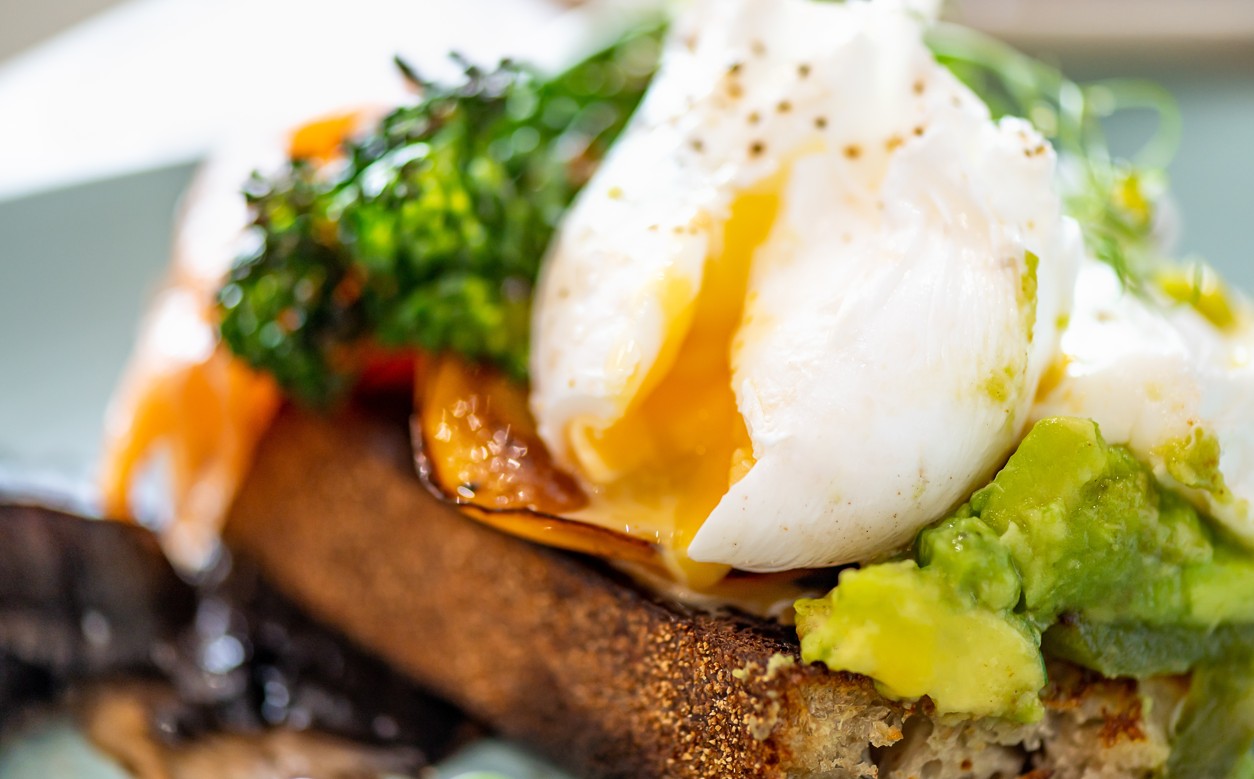
Brisbane’s café culture has helped popularise Australia’s modern breakfast scene, with avocado smash—often served with feta, citrus, herbs, or poached eggs—becoming a defining dish. Macadamia nuts, native to Queensland, appear in desserts, sauces, and crusts for fish and meat. Classic Australian sweets like lamingtons and pavlova take on a distinctly Queensland character when topped with tropical fruits such as mango and passionfruit.
Everyday Australian & Queensland Food
Breakfast and brunch are central to Brisbane life, with cafés opening early and offering creative menus built around local produce. Lunch may be a Queensland beef burger, fresh seafood, or modern Asian-inspired bowls. Dinner ranges from relaxed neighbourhood dining to polished modern Australian restaurants.
Seafood is ever-present, including barramundi, prawns, oysters, and reef fish. Queensland beef from the Darling Downs is widely regarded for its quality and features prominently on menus. Tropical fruits—pineapple, mango, papaya, dragon fruit—are used in salads, desserts, and drinks. Traditional Australian meat pies remain popular as quick meals, while public barbecues in parks reflect the city’s outdoor culture.
Riverfront Dining and Outdoor Culture
The Brisbane River plays a central role in the city’s dining identity. Riverside precincts such as South Bank, Howard Smith Wharves, and Eagle Street offer restaurants and bars with water views, reinforcing Brisbane’s emphasis on alfresco dining.
The subtropical climate allows outdoor dining year-round, and many venues prioritise open-air seating, rooftop terraces, and river breezes. Ferry-accessible restaurants add a uniquely Brisbane element to eating out, while parklands combine food, leisure, and scenery in a way few Australian cities match.
Market Culture and Local Producers
Brisbane’s markets highlight Queensland’s agricultural strength. Eat Street Northshore combines global street food with entertainment in a shipping-container venue, while neighbourhood farmers’ markets showcase local produce and artisan foods.
Restaurants benefit from exceptional regional suppliers: vegetables from the Lockyer Valley, beef from the Darling Downs, seafood from the Sunshine and Gold Coasts, and tropical fruits from North Queensland. The paddock-to-plate ethos is deeply embedded in the city’s dining scene, with menus frequently noting provenance and seasonality.
International Dining and Contemporary Scene
Brisbane’s multicultural population has shaped a diverse international food scene. Vietnamese, Chinese, Japanese, Korean, and Thai cuisines are particularly strong, reflecting the city’s Asia-Pacific connections. Fortitude Valley’s Chinatown remains a hub for authentic Asian dining.
Modern Australian restaurants reinterpret local ingredients with global techniques, while the city’s fine-dining reputation continues to grow. Laneway dining, food halls, and converted industrial spaces have revitalised inner-city neighbourhoods. Brisbane’s café culture rivals Melbourne’s for quality, with specialty coffee shops scattered throughout areas like New Farm, Paddington, and West End.
Craft Beverage Scene
Brisbane’s craft beer scene has expanded rapidly, with breweries producing everything from crisp lagers to tropical-inspired IPAs. Brewing hubs have formed in suburbs such as Milton and Newstead.
Queensland rum, particularly from Bundaberg, features prominently in cocktails, while local distilleries produce gin infused with native botanicals. Wine from nearby regions such as the Granite Belt and South Burnett appears increasingly on restaurant lists. Coffee is taken seriously, with local roasters and cafés maintaining high standards across the city.
Food Customs and Practical Tips
Dining in Brisbane is informal and climate-appropriate, with lightweight dress acceptable almost everywhere. Tipping is not expected in Australia, though rounding up or leaving a small amount for exceptional service is appreciated. Reservations are recommended for popular restaurants, especially on weekends.
Ask about locally sourced seafood and native Australian ingredients such as lemon myrtle, wattleseed, and finger lime when available. Brunch is a major dining occasion—arrive early or expect queues at popular cafés. Brisbane generally offers better dining value than Sydney or Melbourne.
Explore both riverside precincts and neighbourhood cafés to experience Brisbane’s full culinary range. Don’t miss Moreton Bay bugs if in season. Visiting markets is one of the best ways to understand the city’s produce-driven food culture.
This guide covers what to eat in Brisbane, from Queensland seafood and Australian classics to international cuisine and modern dining. Use it alongside our Brisbane Travel Guide to plan your culinary exploration of Australia’s subtropical capital.
Check monthly weather averages for
Latest Secret Flying deals to Brisbane
Vienna, Austria to Brisbane, Australia for only €677 roundtrip
Cheap flights from Vienna, Austria to Brisbane, Australia for only €677 roundtrip with Turkish Airlines and Jetstar.
View DealManchester or London, UK to Australian cities from only £713 roundtrip
Cheap flights from Manchester or London, UK to Australian cities from only £713 roundtrip with Cathay Pacific.
View DealBudapest, Hungary to Brisbane, Australia for only €663 roundtrip
Cheap flights from Budapest, Hungary to Brisbane, Australia for only €663 roundtrip.
View Deal [adblockingdetector id="638efa67113bf"]