


Bucharest Food Guide
Food in Bucharest: What to Eat & Drink
Bucharest’s culinary landscape is a richly layered fusion of Romanian tradition, Ottoman legacy, French elegance, and communist-era practicality, unfolding in a city once known as the “Little Paris of the East.” As Romania’s capital and largest city, Bucharest has developed a distinctive food culture that balances rustic peasant cooking with urban refinement and contemporary dining trends.
The city’s cuisine reflects its position at the crossroads of Eastern Europe, its history of empires and political upheaval, and its modern role as a dynamic European capital. Hearty, comforting dishes dominate, built around local agriculture and preservation techniques developed for long winters. From traditional carboave (cellar restaurants) to stylish modern bistros, Bucharest offers a deeply satisfying journey through Romania’s past and present.
Local Specialities of Bucharest
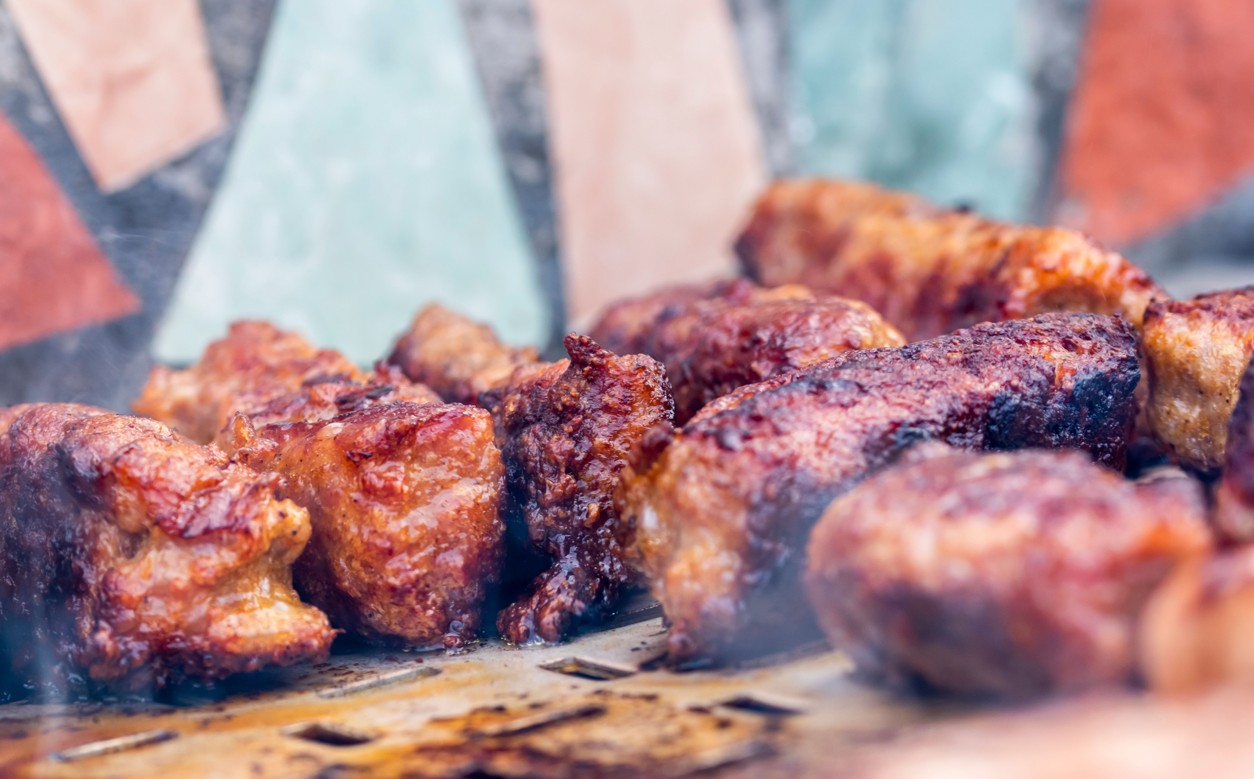
Bucharest is best known for mici (or mititei), small skinless grilled sausages made from minced meat seasoned with garlic, paprika, and spices, typically served with mustard and fresh bread. They are Romania’s most beloved street and restaurant food. Another cornerstone of Romanian cuisine is sarmale—cabbage or vine leaves stuffed with spiced meat and rice, slow-cooked and served with polenta and sour cream.
Mămăligă, Romania’s traditional polenta, replaces bread or potatoes and appears alongside nearly every classic dish. Ciorbă de burtă, a rich tripe soup with garlic, vinegar, and sour cream, is an iconic Bucharest specialty for adventurous eaters. Zacuscă, a smoky vegetable spread made from roasted eggplant, peppers, and tomatoes, is served as an appetizer in homes and restaurants alike.
Desserts include papanași, indulgent fried or boiled doughnuts topped with sour cream and fruit jam. Street snacks are dominated by covrigi, pretzel-like bread rings sold warm throughout the city. Țuică, traditional plum brandy, is Romania’s national drink and an essential part of local hospitality.
Everyday Romanian & Bucharest Food
Breakfast in Bucharest is usually simple, featuring eggs, bread, and fresh cheese such as telemea. Lunch is the main meal of the day and often begins with soup, followed by a meat-based dish served with polenta, potatoes, or vegetables. Dinner may be lighter or continue traditional patterns, especially in family settings.
Soups are central to Romanian cuisine, ranging from sour ciorbă to clear broths and creamy vegetable soups. Pork dominates, appearing grilled, roasted, or stewed, alongside sausages and cured meats. Chicken and beef are also common. Vegetables such as cabbage, peppers, and potatoes feature heavily, while dairy—sour cream, yogurt, and cheese—is used generously. Fresh bread is served with virtually every meal.
Carboave and Traditional Dining
Carboave—traditional cellar restaurants—are central to Bucharest’s dining identity. Often located in historic basements, these establishments feature rustic décor, Romanian folk music, and menus focused on classic dishes. Dining here is a social, celebratory experience marked by large portions and frequent toasts.
Meals typically begin with appetizers such as cheese platters and zacuscă, followed by soup, substantial main courses, and dessert. Toasting with țuică before eating is customary, accompanied by the word “noroc!” (cheers). Many carboave date back decades and preserve recipes and rituals passed down through generations.
Street Food and Market Culture
Bucharest’s street food scene revolves around covrigi stands, mici grills, and pastry shops selling plăcinte (filled pastries). These quick, affordable foods are part of daily life and widely available across the city.
Markets are essential to understanding local food culture. Obor Market, Bucharest’s largest, offers fresh produce, meats, cheeses, pickles, and ready-to-eat dishes. Barrels of murături (pickled vegetables) line market stalls, while dairy vendors sell fresh telemea and sour cream. Smaller markets such as Piața Amzei provide more local neighbourhood experiences, and modern food halls blend tradition with contemporary cuisine.
Țuică Culture and Beverages
Țuică is deeply embedded in Romanian social life. Made from fermented plums, it is traditionally served before meals and during celebrations. Strength and quality vary, with homemade versions often the most potent. Palincă is a stronger, double-distilled version, while fruit liqueurs such as vișinată (sour cherry) and afinată (blueberry) are sweeter alternatives.
Romanian wine has seen a renaissance, with regions such as Dealu Mare, Drăgășani, and Murfatlar producing increasingly respected bottles. Beer is widely consumed, with local brands like Ursus and Timișoreana dominating. Non-alcoholic options include socată (elderflower drink) and fresh fruit juices.
International Dining and Contemporary Scene
Bucharest’s modern dining scene reflects its growing European identity. French culinary influence remains from the city’s “Little Paris” era, while Italian restaurants are especially popular. Asian, Middle Eastern, and other European cuisines are widely available.
Contemporary Romanian restaurants reinterpret traditional dishes using modern techniques and presentation. The city’s café culture is vibrant, ranging from historic coffee houses to specialty third-wave cafés. Rooftop bars and stylish lounges offer views of Bucharest’s eclectic architecture. Despite international options, most establishments retain a strong focus on Romanian ingredients and identity.
Food Customs and Practical Tips
Dining in Bucharest is social and relaxed, with meals often lasting several hours. Tipping around 10% is customary in restaurants, and service charges may be added. Reservations are recommended for popular restaurants, particularly those offering live music.
When offered țuică, accepting at least a sip is considered polite. Portions are generous, and dishes are often shared family-style. Bread is commonly used to scoop food and clean plates. Learning a few Romanian phrases for ordering and toasting is appreciated.
Explore both traditional carboave and modern restaurants to experience Bucharest’s full culinary range. Try zacuscă whenever it appears—it’s a national staple. Markets are ideal for tasting local produce and preserves. Consider a food tour to better understand the city’s layered history and neighbourhoods. Remember that while smoking is banned indoors, outdoor seating areas may still permit it.
This guide covers what to eat in Bucharest, from Romanian classics and street food to traditional dining and contemporary cuisine. Use it alongside our Bucharest Travel Guide to plan your culinary exploration of Romania’s vibrant capital.
Check monthly weather averages for
Latest Secret Flying deals to Bucharest
Almaty, Kazakhstan to Bucharest, Romania for only $211 USD roundtrip
Cheap flights from Almaty, Kazakhstan to Bucharest, Romania for only $211 USD roundtrip.
View DealNew York to Bucharest, Romania for only $344 roundtrip
Cheap flights from New York to Bucharest, Romania for only $344 roundtrip with Swiss International Air Lines.
View DealSUMMER: Salt Lake City, Utah to Bucharest, Romania for only $438 roundtrip
Summer flights from Salt Lake City, Utah to Bucharest, Romania for only $438 roundtrip with American Airlines and British Airways.
View Deal [adblockingdetector id="638efa67113bf"]