


Budapest Food Guide
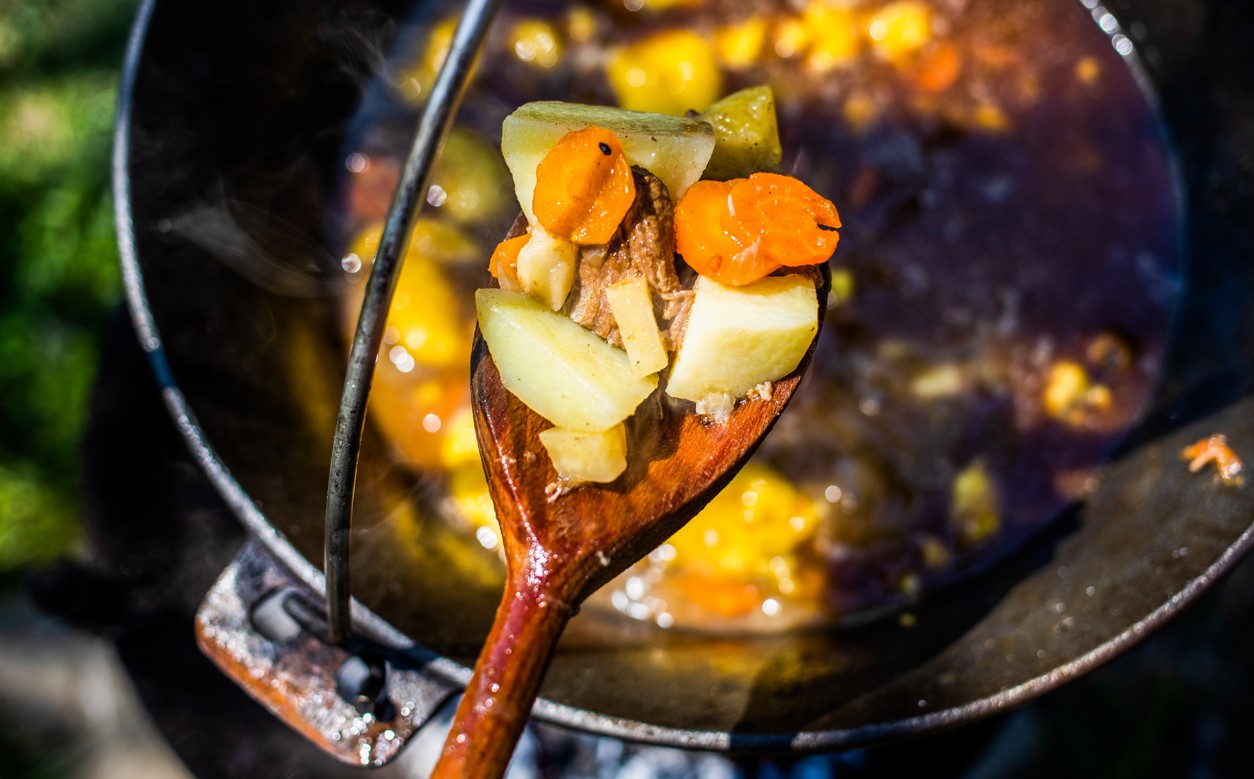
Food in Budapest: What to Eat & Drink
Budapest’s culinary landscape is a rich fusion of Hungarian tradition, Austro-Hungarian imperial grandeur, and contemporary creativity, unfolding along the Danube between historic Buda and lively Pest. As Hungary’s capital and one of Europe’s most visually striking cities, Budapest has developed a distinctive food culture that balances deeply comforting peasant dishes with refined café and restaurant traditions shaped by centuries of empire.
The city’s cuisine reflects its role as a cultural crossroads of Central Europe, its history as co-capital of the Austro-Hungarian Empire, and its modern gastronomic revival. Hungarian cooking is bold, warming, and unmistakable, defined by paprika, slow-cooked meats, rich sauces, and generous use of sour cream. From traditional csárdas (taverns) to Michelin-recognized dining rooms, Budapest offers a flavorful journey through Hungary’s past and present.
Local Specialities of Budapest
Budapest is synonymous with gulyás (goulash), Hungary’s national dish—a robust soup made with beef, potatoes, carrots, onions, and generous paprika. Unlike stew versions found abroad, authentic gulyás is a soup, designed to warm and nourish. Another cornerstone is chicken paprikash, featuring tender chicken simmered in a creamy paprika sauce and served with nokedli (soft dumplings), showcasing Hungarian mastery of spice-based sauces.
Lángos, deep-fried dough topped with sour cream and cheese, is Budapest’s most beloved street food, especially popular at markets and festivals. Halászlé (fisherman’s soup), a fiery paprika-rich river fish soup, reflects the city’s Danube fishing heritage. Töltött káposzta, cabbage leaves stuffed with pork and rice, is a comforting winter staple.
Budapest is also a dessert city. Dobos torta, layered sponge cake with chocolate buttercream and caramel topping, was invented here and remains iconic. Kürtőskalács (chimney cake), sweet yeast dough baked over open fire and rolled in sugar or nuts, is a popular street dessert. Unicum, a bitter herbal liqueur, serves as Hungary’s national digestif.
Everyday Hungarian & Budapest Food
Breakfast in Budapest is typically light, featuring pogácsa (savory scones), bread with cheese or cold cuts, and coffee. Lunch is the main meal and often begins with soup, followed by a meat dish served with potatoes, dumplings, or pasta. Dinner may be lighter, especially on weekdays.
Pork dominates Hungarian cooking, appearing as schnitzel, sausages, and slow-cooked stews. Goose and duck liver—often served as pâté or pan-fried—represent Hungary’s more luxurious side. Freshwater fish from the Danube and Lake Balaton appear in soups and mains. Vegetables such as peppers, cabbage, and potatoes are ever-present, while sour cream (tejföl) is used both as garnish and ingredient. Fresh Hungarian bread is essential at every meal.
Market Culture and the Great Market Hall
The Great Market Hall (Nagy Vásárcsarnok) is Budapest’s most important food landmark and a showcase of Hungarian produce. This vast, historic market offers everything from paprika and salami to cheeses, wines, and pastries, all under an ornate iron-and-tile roof.
Upstairs food stalls serve classics such as goulash, lángos, and stuffed cabbage. Vendors explain the differences between sweet, smoked, and hot paprika varieties. Barrels of savanyúság (pickled vegetables) line the aisles, while sausage and salami stalls highlight Hungary’s charcuterie tradition. The market functions equally as food court, grocery, and cultural attraction.
Paprika Culture and Spice Traditions
Paprika is the defining element of Hungarian cuisine and a source of national pride. Ranging from édesnemes (sweet noble) to erős (hot), paprika varies in heat, aroma, and color. The regions of Kalocsa and Szeged produce Hungary’s most prized varieties, all widely available in Budapest.
Proper technique is essential: paprika is gently bloomed in fat to release its aroma without burning. It provides not just heat, but depth, sweetness, and the characteristic red color of Hungarian dishes. Paprikash, pörkölt (meat stew), and halászlé all rely on high-quality paprika for their identity.
International Dining and Contemporary Scene
Budapest’s dining scene extends well beyond traditional Hungarian fare. The city’s imperial past is reflected in historic pastry shops and grand cafés. Italian, French, Asian, and Middle Eastern restaurants cater to a cosmopolitan audience, while Jewish restaurants in the former Jewish Quarter preserve traditional recipes.
Modern Hungarian restaurants reinterpret classics using contemporary techniques and presentation. Budapest’s famous romkocsmák (ruin bars) combine eclectic décor with casual dining and drinks. Café culture remains central, from ornate historic coffee houses to minimalist specialty cafés. Even with global influences, most establishments remain proudly Hungarian in spirit.
Food Customs and Practical Tips
Dining in Budapest follows Central European norms. Meal times are generally breakfast (7–9 AM), lunch (12–2 PM), and dinner (7–10 PM). Tipping of 10–15% is customary, and service charges are often included. Reservations are recommended for popular restaurants.
Remember that goulash is a soup—if you want stew, order pörkölt. Lángos is best eaten fresh and hot. Chimney cake comes in both sweet and savory versions. Paprika heat varies significantly, so ask before ordering if you are sensitive to spice.
Visit the Great Market Hall for an overview of Hungarian food culture. Balance meals between traditional csárdas and modern restaurants. Don’t miss Budapest’s café heritage—historic coffee houses are destinations in themselves. A food tour is an excellent way to understand the city’s culinary history and paprika traditions. Note that many restaurants close between lunch and dinner service.
This guide covers what to eat in Budapest, from Hungarian classics and paprika-driven dishes to market food and contemporary dining. Use it alongside our Budapest Travel Guide to plan your culinary exploration of Hungary’s captivating capital.
Check monthly weather averages for
Latest Secret Flying deals to Budapest
Vancouver, Canada to European cities from only $661 CAD roundtrip
Cheap flights from Vancouver, Canada to European cities from only $661 CAD roundtrip.
View DealSydney, Australia to Budapest, Hungary for only $1259 AUD roundtrip
Cheap flights from Sydney, Australia to Budapest, Hungary for only $1259 AUD roundtrip with Turkish Airlines.
View DealSUMMER: Melbourne, Australia to Budapest, Hungary for only $1127 AUD roundtrip
Summer flights from Melbourne, Australia to Budapest, Hungary for only $1127 AUD roundtrip.
View Deal [adblockingdetector id="638efa67113bf"]