


Buenos Aires Food Guide
Food in Buenos Aires: What to Eat & Drink
Buenos Aires’ culinary landscape is a passionate expression of Argentine tradition, European immigrant heritage, and refined urban culture in the self-styled “Paris of South America.” As Argentina’s cosmopolitan capital and one of Latin America’s great cultural cities, Buenos Aires has developed a food culture defined by legendary beef, Italian influences, and deeply social dining rituals that place food at the center of daily life.
The city’s cuisine reflects its history as a major Atlantic port, the mass arrival of Italian and Spanish immigrants, and its modern identity as a sophisticated, late-night metropolis. Built on the agricultural wealth of the Pampas, Buenos Aires celebrates simplicity and quality above all else—few ingredients, expertly prepared, and meant to be shared. From historic parrillas in San Telmo to contemporary kitchens in Palermo, dining in Buenos Aires is a journey into Argentina’s national soul.
Local Specialities of Buenos Aires
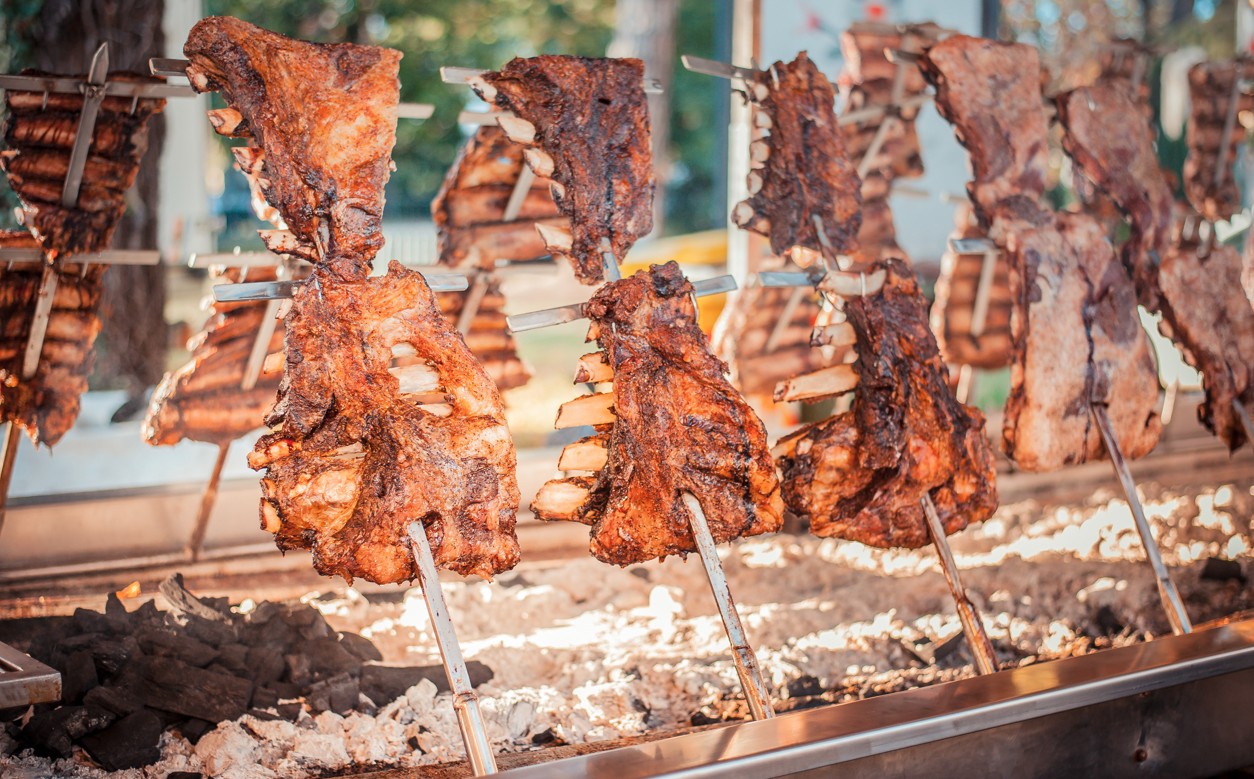
Buenos Aires is inseparable from asado, Argentina’s iconic barbecue and most important culinary ritual. Featuring a wide range of grass-fed beef cuts cooked slowly over wood or charcoal, asado represents the country’s deep connection to cattle ranching and communal dining. The city’s most famous street food, choripán, combines grilled chorizo sausage with chimichurri in crusty bread and is often enjoyed before or after an asado.
Empanadas, especially the Buenos Aires style baked rather than fried, are filled with beef, ham and cheese, or vegetables. Milanesa, a breaded meat cutlet introduced by Italian immigrants, has become a national staple, appearing in countless variations. Provoleta, grilled provolone cheese with oregano and olive oil, is a classic asado starter. Sweet traditions include alfajores, sandwich cookies filled with dulce de leche, while mate, the bitter herbal infusion, remains Argentina’s most important social drink.
Everyday Argentine & Porteño Food
Breakfast in Buenos Aires is typically light, featuring medialunas (croissants) or toast with café con leche. Lunch may be a simple sandwich or a business set menu. Merienda, the afternoon break between 5 and 7 PM, is a cherished social moment involving pastries, coffee, or mate. Dinner is late by global standards, often beginning at 9 PM or later.
Beef dominates daily eating: bife de chorizo (sirloin), entraña (skirt steak), and vacío (flank steak) are seasoned simply with salt and grilled. Traditional asados include offal cuts such as chinchulines (intestines) and mollejas (sweetbreads). Italian influence appears in pasta, particularly ñoquis (gnocchi), traditionally eaten on the 29th of each month for good luck. Fresh bread from neighborhood bakeries accompanies most meals.
Asado Culture and Parrillas
Asado in Buenos Aires is far more than a meal—it is a social institution that can last several hours. Parrillas range from modest neighborhood restaurants to elegant steakhouses, all centered around expertly grilled beef. A traditional asado unfolds in stages: sausages and blood sausage, followed by provoleta and offal, and finally multiple beef cuts.
Classic cuts include tira de asado (short ribs), vacío, matambre, and ojo de bife (ribeye). Meats are accompanied by chimichurri and salsa criolla made with tomatoes, onions, and peppers. The grill master, or parrillero, is a respected figure, and the process emphasizes patience, conversation, and shared enjoyment. Many parrillas proudly display their meat cuts, underscoring quality and transparency.
Italian Influence and Pizza & Pasta Traditions
Italian immigration shaped Buenos Aires as profoundly as beef. The city’s pizza culture is uniquely Argentine, featuring thicker crusts, abundant cheese, and styles such as fugazza (onion-topped) and fugazzetta (stuffed with cheese). Legendary pizzerias have been fixtures for decades.
Pasta is deeply ingrained in everyday life, with shops selling fresh, homemade noodles throughout the city. Italian-Argentine creations such as milanesa a la napolitana—breaded meat topped with tomato sauce and cheese—have become local classics. Gelato (helado) is taken seriously, with exceptional ice cream parlors citywide. Though rooted in Italy, these foods have evolved into a distinctly Argentine culinary identity.
International Dining and Contemporary Scene
As one of South America’s most cosmopolitan cities, Buenos Aires offers outstanding international dining. French bistros, Spanish tapas bars, Japanese, Peruvian, Middle Eastern, and modern fusion restaurants reflect the city’s global outlook. Contemporary Argentine chefs reinterpret traditional dishes using modern techniques and seasonal produce.
The Palermo neighborhoods—particularly Soho and Hollywood—are the epicenter of creative dining and nightlife. Historic cafés preserve classic porteño atmosphere, while modern wine bars showcase Argentina’s world-class Malbec and emerging varietals. Despite international influences, most restaurants retain a strong Argentine character and focus on local ingredients.
Food Customs and Practical Tips
Dining in Buenos Aires follows a late schedule: lunch from 1–3 PM, merienda from 5–7 PM, and dinner from 9 PM until midnight. Tipping around 10% is customary. Some restaurants charge a cubierto (cover charge) for bread and table service. Reservations are recommended for popular parrillas.
When ordering steak, doneness matters—jugoso (medium-rare) is the standard. Try multiple cuts at an asado rather than focusing on a single steak. Mate has its own etiquette: wait to be offered and drink in turn. Basic Spanish is helpful, as many traditional restaurants operate primarily in Spanish.
Balance visits between historic parrillas and modern kitchens. Explore the city’s unique pizza culture. Enjoy merienda at classic cafés. A food tour is an excellent way to understand Buenos Aires’ immigrant roots and culinary rituals. Portions are generous, prices are reasonable by global standards, and meals are meant to be savored slowly.
This guide covers what to eat in Buenos Aires, from asado and classic Argentine dishes to Italian-influenced favorites and contemporary dining. Use it alongside our Buenos Aires Travel Guide to plan your culinary exploration of Argentina’s vibrant capital.
Check monthly weather averages for
Latest Secret Flying deals to Buenos Aires

Non-stop from Madrid, Spain to Buenos Aires, Argentina for only €472 roundtrip
Non-stop flights from Madrid, Spain to Buenos Aires, Argentina for only €472 roundtrip.
View DealMontreal, Canada to Buenos Aires, Argentina for only $323 CAD one-way
Cheap flights from Montreal, Canada to Buenos Aires, Argentina for only $323 CAD one-way.
View Deal [adblockingdetector id="638efa67113bf"]