


Cali Food Guide
Food in Cali: What to Eat & Drink
Cali’s culinary landscape is a vibrant expression of Pacific Colombian traditions, Afro-Colombian heritage, and the city’s unmistakable identity as Colombia’s salsa capital. As the largest city in the Valle del Cauca department and a key gateway between the Andes and the Pacific coast, Cali has developed a distinctive food culture that blends hearty inland cooking with tropical, coconut-rich coastal flavours.
The city’s cuisine reflects its fertile Cauca Valley setting, its large Afro-Colombian population, and a culture defined by music, dance, and celebration. Meals are generous, flavours are bold, and food is inseparable from social life. From rustic fondas serving traditional soups to modern restaurants exploring Pacific fusion, Cali offers one of Colombia’s most dynamic and rhythm-filled food scenes.
Local Specialities of Cali
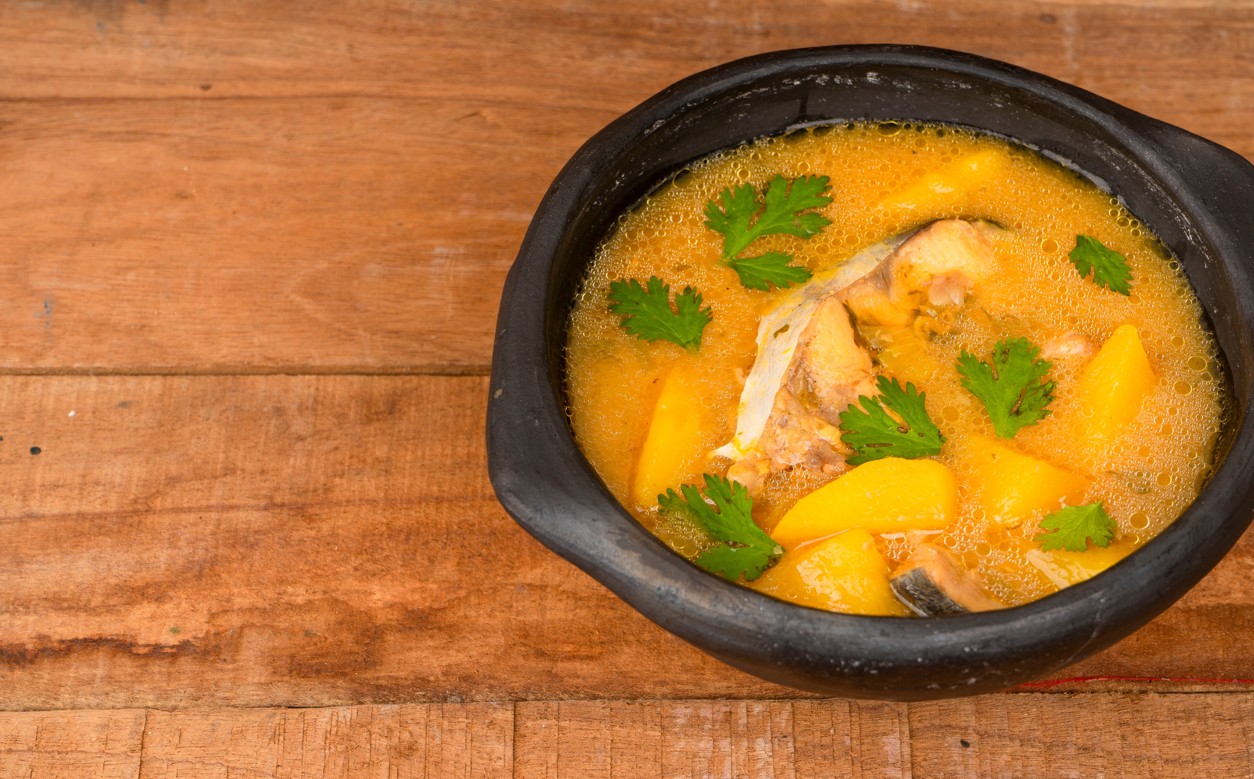
Cali is best known for sancocho de gallina, a deeply comforting chicken soup made with plantains, yuca, corn, and herbs. Cali’s version is especially prized for its aromatic herb blend and is often enjoyed on weekends or after late nights of dancing.
The city’s signature snack, aborrajados, features ripe plantains stuffed with cheese, battered, and fried until crisp—an iconic balance of sweet and savoury. Cholado, a colourful shaved-ice dessert topped with tropical fruits, condensed milk, and fruit syrups, is essential refreshment in Cali’s heat and a symbol of local street-food culture.
Arroz atollado, a thick rice stew with chicken, pork, and vegetables, showcases the region’s mastery of rice dishes. Tamales vallunos are larger and heartier than other Colombian tamales, filled with chicken, pork, vegetables, and hard-boiled egg, all wrapped in plantain leaves. Pandebono, a warm cheese bread made with yuca flour, is a popular breakfast and snack.
Local drinks include lulada, made from crushed lulo fruit mixed with ice and sugar, and champús, a traditional drink of corn, pineapple, panela, and spices. Marranitas (also known as tostones rellenos), green plantain fritters filled with pork, highlight Cali’s creative use of plantains.
Everyday Colombian & Caleño Food
Breakfast in Cali often includes caldo de costilla (beef rib broth), pandebono, or arepas served with hot chocolate or coffee. Lunch is the main meal of the day and usually consists of soup, a main dish with rice, beans or plantains, salad, and fresh juice. Dinner is typically lighter and later in the evening.
Plantains appear in countless forms—ripe (maduro), green (verde), fried, mashed, or stuffed. Fresh seafood from Colombia’s Pacific coast, including snapper, shrimp, and lobster, is widely available, especially in restaurants influenced by coastal cuisine. Pork dishes such as lechona (stuffed roast pig) are common at celebrations but can also be found year-round.
Tropical fruits are central to everyday eating, with lulo, maracuyá (passion fruit), guanábana (soursop), borojó, and mango appearing fresh, blended into juices, or served in desserts. Compared to Bogotá’s highland cuisine, Caleño food tends to be sweeter, richer, and more tropical.
Pacific Coast Influence and Afro-Colombian Cuisine
Cali’s proximity to the Pacific coast brings strong Afro-Colombian culinary influences. Coconut milk is used extensively in rice, sauces, and stews, particularly in seafood dishes. Specialties such as encocado (seafood cooked in coconut sauce) and cazuela de mariscos (seafood casserole) reflect this heritage.
Traditional ingredients like ñame (yam), green plantains, and native fruits distinguish Pacific cuisine from Andean cooking. While the most authentic Pacific dishes are found in specific neighbourhoods, many restaurants across Cali incorporate these flavours. Fresh seafood arrives regularly from the port city of Buenaventura, ensuring quality and variety.
Street Food and Market Culture
Cali’s street food scene is lively and deeply embedded in daily life. Cholado carts line parks and plazas, while empanada vendors sell a wide variety of fillings. Arepa stands offer both traditional and inventive versions, and fruit vendors display an astonishing range of tropical produce.
Markets such as Galería Alameda and Plaza de Mercado de Siloé are essential food destinations, offering fresh produce, meats, juices, and prepared foods. Sancocho stalls, pandebono bakeries, and juice stands operate from early morning. Eating while standing or walking is common and very much part of Caleño food culture.
International Dining and Contemporary Scene
As one of Colombia’s major cities, Cali offers a broad international dining scene. Italian, Mexican, Asian, and Middle Eastern restaurants are widely available, with upscale options concentrated in neighbourhoods like Granada and Ciudad Jardín.
Modern Colombian restaurants reinterpret traditional dishes with contemporary techniques while highlighting local ingredients. Cali’s café culture has expanded rapidly, with specialty coffee shops showcasing Colombia’s world-class beans. Many restaurants feature live salsa music or dancing, particularly on weekends, reinforcing the city’s festive identity.
Food Customs and Practical Tips
Dining in Cali is relaxed and social, often enjoyed in groups. Lunch is typically served between 12–2 PM and is the most substantial meal of the day. Dinner is lighter and later. A 10% tip is customary in restaurants, and some establishments include a service charge on the bill.
When eating sancocho, it is customary to add rice, avocado, and ají (chili sauce) to taste. Cholado should be mixed thoroughly before eating and enjoyed with both spoon and straw. Street food is generally safe when freshly cooked—busy stalls are the best choice.
Try unfamiliar tropical fruits whenever possible, as vendors often offer samples. Explore both traditional fondas and modern restaurants to understand Cali’s culinary range. Cholado is a must on hot afternoons, and Pacific-inspired seafood dishes are among the city’s highlights. Consider a food tour to better understand Cali’s Afro-Colombian heritage and Pacific influences. English is limited in local eateries, so basic Spanish phrases are helpful.
This guide covers what to eat in Cali, from Colombian classics and Pacific coast specialities to street food and contemporary dining. Use it alongside our Cali Travel Guide to plan your culinary exploration of Colombia’s salsa capital.
 [adblockingdetector id="638efa67113bf"]