


Cebu Food Guide
Food in Cebu: What to Eat & Drink
Cebu’s culinary landscape is a proud and flavorful expression of Visayan traditions, Spanish colonial heritage, and the island’s status as the Philippines’ oldest city. As the cultural and economic heart of the Central Visayas, has developed a food culture that is boldly regional, fiercely independent, and distinct from the cuisine of Manila.
Cebuano food reflects centuries of indigenous cooking, early Spanish influence, and the island’s geography at the center of the archipelago. The result is a cuisine built on pork, seafood, rice, and coconut, marked by confident seasoning, balanced sweetness, and an emphasis on grilling and roasting. From humble carinderias to modern restaurants in IT Park and Mactan, Cebu offers one of the Philippines’ most recognizable and beloved regional food identities.
Local Specialities of Cebu
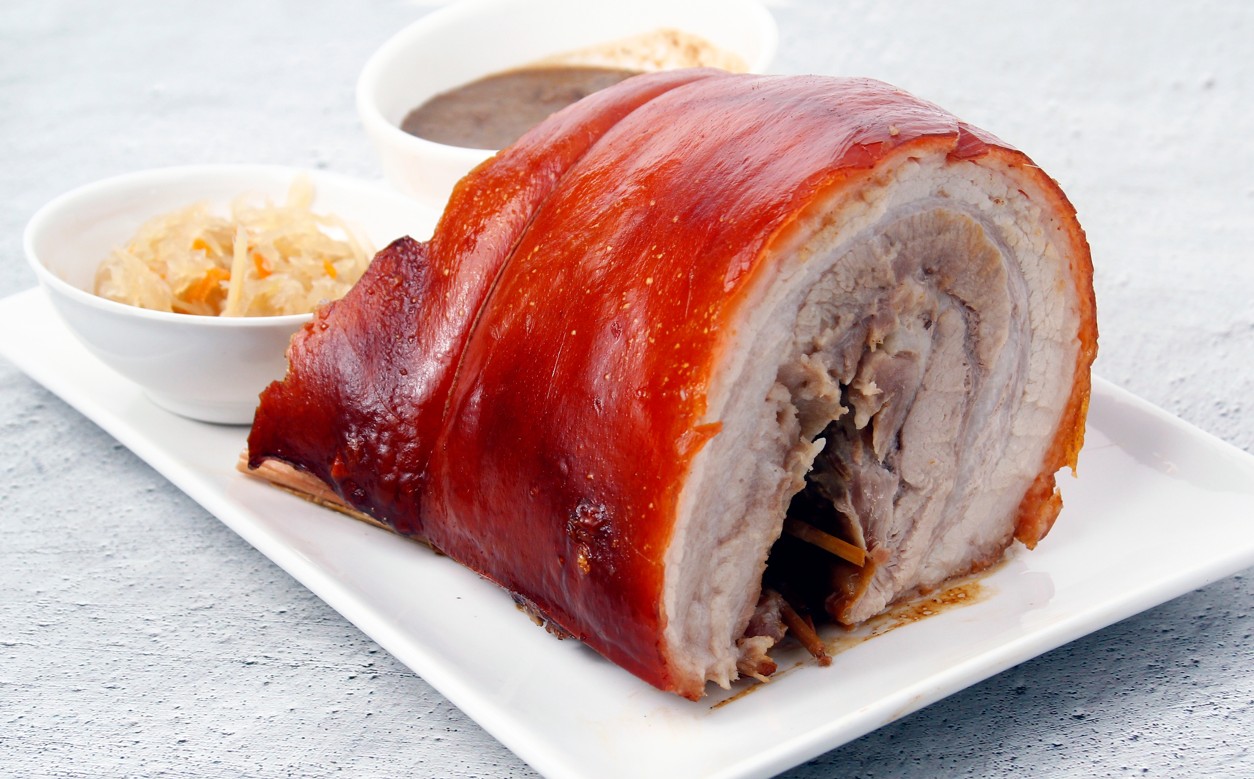
Cebu is world-famous for its lechon, widely regarded as the best in the Philippines. Whole pigs are stuffed with local herbs—especially tanglad (lemongrass)—and roasted slowly over charcoal until the skin becomes glass-like and shatteringly crisp. Unlike other regional versions, Cebu lechon is so well-seasoned it is often eaten without sauce.
Another signature experience is sutukil, short for sugba (grill), tuwa (stew), and kilaw (raw). At sutukil restaurants, diners select live seafood—such as grouper, squid, shrimp, or mackerel—which is then prepared in all three styles, showcasing the versatility of Cebuano seafood cooking.
Danggit (dried rabbitfish) is a classic Cebuano breakfast staple, fried until crisp and served with garlic rice and eggs. Puso, rice cooked in woven coconut leaves and shaped into diamond packets, is uniquely Cebuano and designed for easy eating with grilled meats. Other local favorites include ngohiong (deep-fried spring rolls), chorizo de Cebu (sweet pork sausage), and the adventurous tuslob buwa, a rich pork-based dipping sauce traditionally eaten with puso.
Everyday Cebuano & Filipino Food
Breakfast in Cebu often features danggit or chorizo with garlic rice and eggs, sometimes paired with pandesal. Lunch typically consists of rice with various ulam (main dishes) from neighborhood carinderias, while dinner is usually a more substantial, family-style affair.
Pork dominates everyday Cebuano cooking beyond lechon, appearing in dishes such as humba (sweet soy-based pork stew), adobo, and grilled skewers. Seafood is ever-present, prepared grilled, fried, stewed, or raw as kinilaw (Filipino ceviche). Vegetables like kangkong (water spinach) and talong (eggplant) appear in stir-fries and stews, while coconut milk is used in ginataan dishes. Rice is essential at every meal, accompanied by seasonal tropical fruits.
Lechon Culture and Roasting Traditions
Lechon is more than food in Cebu—it is a cultural institution and source of regional pride. Cebuano lechon is defined by its herbal stuffing, lack of heavy marinades, and charcoal-roasting technique, producing meat that is deeply aromatic and skin that is exceptionally crisp.
Lechon is sold everywhere, from roadside stalls to specialist restaurants. Certain cuts—especially the belly and skin—are highly prized. While Carcar City south of Cebu City is especially famous for lechon, outstanding versions can be found throughout the metropolitan area. Festivals, family gatherings, and major celebrations are rarely complete without a whole roasted pig.
Seafood Culture and Coastal Dining
As an island province, Cebu’s relationship with seafood is fundamental. Sutukil restaurants, particularly around Mactan and coastal districts, offer one of the most immersive seafood dining experiences in the Philippines. Diners choose live fish and shellfish from tanks before deciding how each portion will be prepared.
Common seafood includes lapu-lapu (grouper), tanigue (Spanish mackerel), squid, shrimp, and a wide range of shellfish. Coastal and beachfront restaurants combine fresh seafood with sea views, especially in Mactan. Traditional fishing communities still supply much of Cebu’s seafood, though sustainability concerns are increasingly relevant.
International Dining and Contemporary Scene
Cebu’s growing role as a business and tourism hub has created a diverse international dining scene. A large Korean community supports excellent Korean restaurants, while Japanese, Chinese, American, and European cuisines are widely available. Upscale dining clusters in IT Park, Banilad, and Mactan cater to both locals and visitors.
Modern Filipino restaurants reinterpret Cebuano and Visayan dishes with contemporary techniques and presentation. Café culture has expanded rapidly, with specialty coffee shops and dessert cafés across the city. Despite global influences, most restaurants retain a strong local identity and make use of Cebu’s ingredients.
Food Customs and Practical Tips
Dining in Cebu is relaxed and social. Tipping is not expected but appreciated—rounding up or leaving a small amount is common. Many restaurants add service charges. Reservations are recommended for popular lechon and seafood restaurants, especially on weekends.
When eating lechon, prioritize the skin—it is the highlight. Try sutukil to experience Cebu’s seafood traditions in full. Street food is generally safe when freshly cooked and hot; busy vendors are the best choice. Drink bottled water and be cautious with ice outside established restaurants.
Visit both traditional carinderias and modern restaurants to understand Cebu’s range. Try mangoes in season (March to June), when local varieties are at their best. Explore dried-fish markets for authentic local products. Cebu offers excellent value compared to Manila—take advantage of it.
This guide covers what to eat in Cebu, from lechon and seafood to everyday Cebuano cooking and modern dining. Use it alongside our Cebu Travel Guide to plan your culinary exploration of the Philippines’ Queen City of the South.
Check monthly weather averages for
Latest Secret Flying deals to Cebu
Non-stop from Tokyo, Japan to Cebu, Philippines for only $274 USD roundtrip
Non-stop flights from Tokyo, Japan to Cebu, Philippines for only $274 USD roundtrip.
View DealBoston to Cebu, Philippines for only $640 roundtrip
Cheap flights from Boston to Cebu, Philippines for only $640 roundtrip with Korean Air.
View DealLos Angeles or San Francisco to Cebu, Philippines for only $565 roundtrip
Cheap flights from Los Angeles or San Francisco to Cebu, Philippines for only $565 roundtrip with Korean Air.
View Deal [adblockingdetector id="638efa67113bf"]