


Charleston Food Guide
Food in Charleston: What to Eat & Drink
Charleston’s culinary landscape is an elegant and deeply rooted expression of Lowcountry traditions, Gullah-Geechee heritage, and contemporary Southern innovation. As one of the United States’ oldest port cities and the cultural heart of South Carolina, Charleston has developed a food culture that blends African, European, and American influences into one of the most distinctive regional cuisines in the country.
The city’s cuisine reflects its Atlantic coastal setting, its history as a colonial trading hub and plantation society, and its modern identity as a leading American food destination. Built on rice cultivation, seafood harvesting, and resourceful cooking traditions passed down through generations, Charleston’s food is historically significant, richly flavorful, and increasingly refined. From centuries-old recipes to inventive modern kitchens, the city offers a culinary journey through the American South at its most sophisticated.
Local Specialities of Charleston
Charleston is best known for shrimp and grits, the city’s signature dish and a cornerstone of Lowcountry cooking. Wild-caught Carolina shrimp are served over creamy stone-ground grits, often enriched with tasso ham gravy, bacon, or tomato-based sauces, representing the perfect marriage of coastal seafood and inland agriculture.
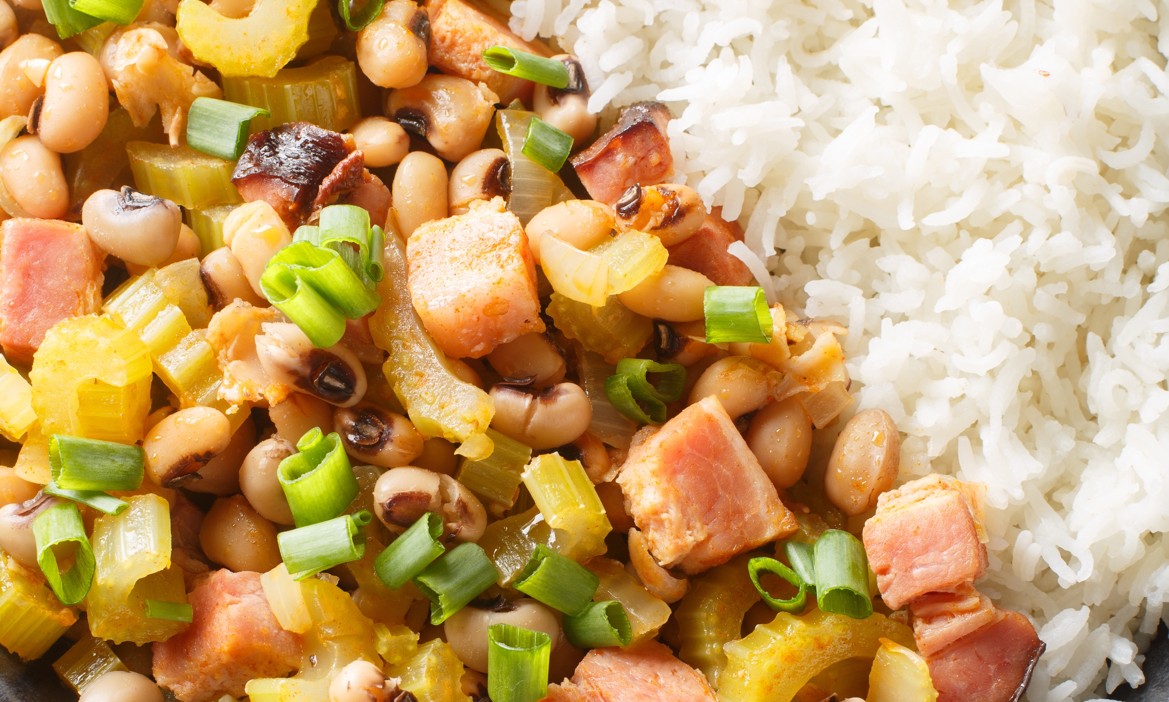
Another iconic dish is she-crab soup, a luxurious bisque made with blue crab meat and roe, cream, and a touch of sherry. Once served in grand homes and historic hotels, it remains a symbol of Charleston’s refined coastal cooking. Hoppin’ John, a dish of rice and field peas cooked with pork, reflects both everyday sustenance and cultural tradition, especially eaten on New Year’s Day for good luck.
Charleston red rice, cooked with tomatoes, bacon, and spices, reveals strong West African roots and is a defining Lowcountry staple. Fried green tomatoes, while common across the South, are elevated in Charleston kitchens. Benne wafers, thin sesame seed cookies with African origins, are the city’s signature sweet. Casual classics like boiled peanuts and Frogmore stew (also known as Lowcountry boil) complete Charleston’s essential food identity.
Everyday Lowcountry & Southern Food
Breakfast in Charleston often includes biscuits with country ham, gravy, or shrimp and grits. Lunch tends to be lighter, featuring sandwiches, salads, or seafood dishes. Dinner is the main event, where traditional Lowcountry recipes and modern Southern cooking converge.
Seafood dominates daily menus: oysters (especially during cooler months), blue crab, flounder, snapper, and triggerfish prepared fried, grilled, or pan-seared. Rice—historically Carolina Gold rice—appears in countless forms, anchoring the cuisine. Seasonal vegetables such as okra, collard greens, butterbeans, and squash feature prominently, while pork, particularly in cured forms like ham and bacon, flavors many dishes.
Gullah-Geechee Heritage and African Influences
Charleston’s culinary identity is inseparable from Gullah-Geechee culture, the African-American traditions of the Lowcountry that preserved West African cooking methods, ingredients, and flavors. Dishes like red rice, okra-based stews, and rice-centered meals trace directly to African origins brought through the transatlantic slave trade.
Ingredients such as benne (sesame), peanuts, okra, and field peas arrived via enslaved Africans and became foundational to Lowcountry cuisine. Gullah-Geechee cooking emphasizes one-pot meals, rice as a staple, and efficient use of ingredients. While authentic Gullah cooking is found in specific communities and restaurants, its influence permeates Charleston’s entire food scene and is increasingly acknowledged and celebrated.
Seafood Culture and Coastal Dining
As a historic port city located between the Ashley and Cooper Rivers and the Atlantic Ocean, Charleston has exceptional access to seafood. Shem Creek in nearby Mount Pleasant remains a working fishing harbor, with restaurants overlooking shrimp boats and marshland.
Oyster roasts during cooler months are social traditions, while crab season brings soft-shell crabs and classic blue crab dishes. Wild-caught Carolina shrimp are especially prized for their sweetness. Sustainability has become a growing focus, with many restaurants highlighting responsibly sourced seafood. From casual dockside eateries to refined dining rooms, seafood remains at the heart of Charleston’s cuisine.
International Dining and Contemporary Scene
While deeply Southern in identity, Charleston offers a diverse contemporary dining scene. French influences appear in historic ties and modern bistros, while Italian, Asian, and Latin American cuisines are increasingly represented. Many chefs trained internationally but choose to work with Lowcountry ingredients.
Modern Southern restaurants reinterpret traditional dishes with contemporary techniques, careful sourcing, and refined presentation. Charleston’s cocktail culture has flourished alongside its food scene, with bars crafting drinks that incorporate local spirits, herbs, and seasonal fruits. Despite global influences, most restaurants maintain a strong connection to regional heritage.
Food Customs and Practical Tips
Dining in Charleston ranges from ultra-casual to highly formal. Tipping (15–20%) is standard, and reservations are essential for popular restaurants—often weeks or months in advance for top establishments. Automatic gratuity is common for larger groups.
When ordering shrimp and grits, ask about preparation styles, as variations differ widely. Try both traditional and modern interpretations of classic dishes. Visit restaurants in the historic district as well as emerging neighborhoods for a fuller picture of the food scene. Farmers’ markets offer excellent insight into local produce and products.
Consider a food or history-focused food tour to better understand Charleston’s culinary past. Sweet tea is the default beverage unless requested otherwise. Dress codes tend to be more formal than in many U.S. cities, particularly in the evening. Charleston’s restaurant scene is competitive and premium-priced, but quality and craftsmanship generally justify the cost.
This guide covers what to eat in Charleston, from Lowcountry classics and seafood to Gullah-Geechee heritage and contemporary Southern dining. Use it alongside our Charleston Travel Guide to plan your culinary exploration of one of America’s most historically rich and delicious cities.
Check monthly weather averages for
Latest Secret Flying deals to Charleston
Los Angeles to Charleston, South Carolina (& vice versa) for only $203 roundtrip
Cheap flights from Los Angeles to Charleston, South Carolina for only $203 roundtrip with American Airlines. Also works in reverse.
View DealSan Juan, Puerto Rico to Charleston, South Carolina for only $282 USD roundtrip
Cheap flights from San Juan, Puerto Rico to Charleston, South Carolina for only $282 USD roundtrip with United Airlines.
View DealAguadilla, Puerto Rico to Charleston, South Carolina for only $282 USD roundtrip
Cheap flights from Aguadilla, Puerto Rico to Charleston, South Carolina for only $282 USD roundtrip with United Airlines.
View Deal [adblockingdetector id="638efa67113bf"]