


Copenhagen Food Guide
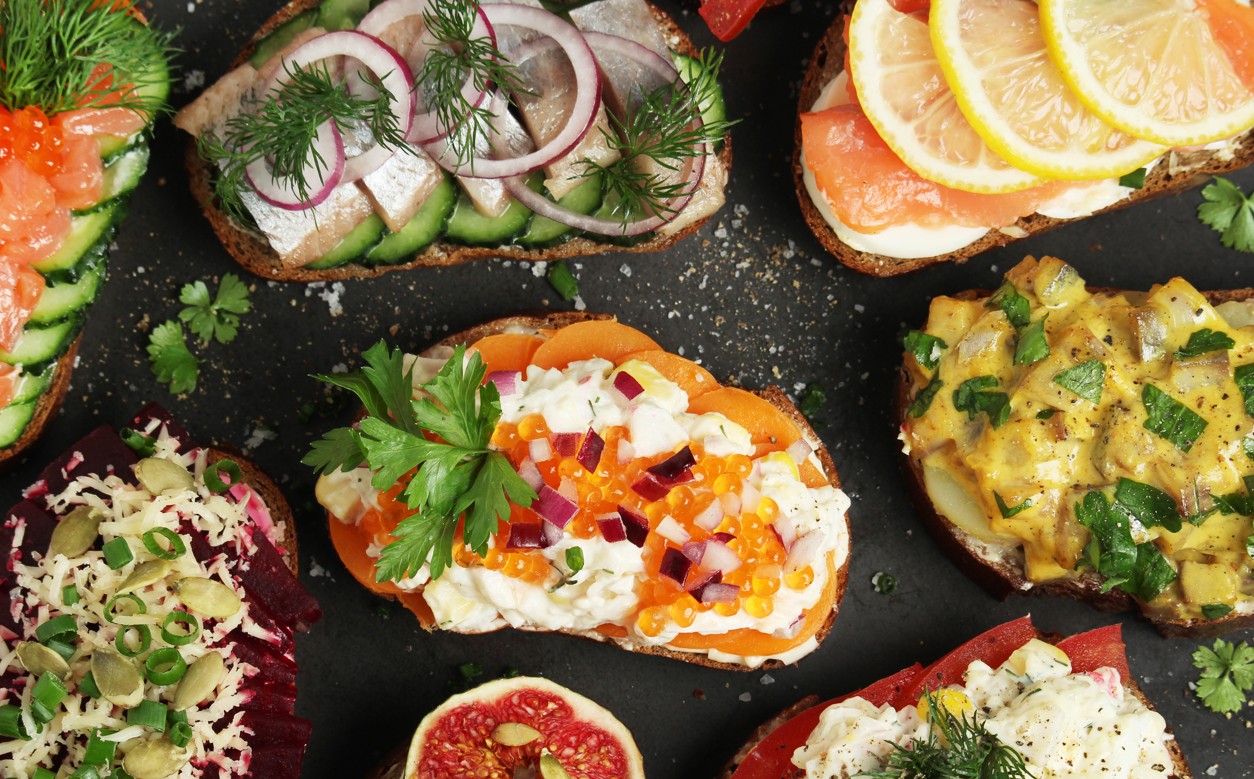
Food in Copenhagen: What to Eat & Drink
The culinary landscape of represents one of the most influential food cultures in the modern world—a refined balance of Nordic tradition, New Nordic innovation, and cosmopolitan sophistication. As the capital of and the birthplace of the New Nordic food movement, Copenhagen has redefined how chefs and diners think about seasonality, sustainability, and regional identity. Its cuisine celebrates hyper-local ingredients, minimalist design, fermentation, and ethical sourcing while preserving deeply rooted Danish comfort foods.
Copenhagen’s position between sea and farmland—bordered by the Øresund Strait and surrounded by fertile countryside—shapes a cuisine rich in seafood, pork, dairy, rye, and foraged herbs. From centuries-old smørrebrød traditions to multiple Michelin-starred restaurants that have reshaped global fine dining, Copenhagen offers a culinary experience that is both intellectually ambitious and deeply comforting.
Local Specialities of Copenhagen
Copenhagen is most famous for smørrebrød, the iconic open-faced sandwiches served on dense rye bread (rugbrød) and topped according to strict traditional rules. Classic versions include pickled herring with curry salad, roast beef with remoulade and crispy onions, shrimp with lemon and mayonnaise, and liver pâté layered with bacon and meat jelly. Smørrebrød is not just lunch—it is a cultural institution.
The city’s beloved street food is the ristet hotdog, a grilled pork sausage served from a pølsevogn (hot-dog stand) with remoulade, mustard, pickles, and crispy onions. Stegt flæsk med persillesovs—crispy pork belly with parsley sauce and potatoes—is Denmark’s national dish and a staple in Copenhagen’s traditional restaurants. Danish pastries (wienerbrød), perfected in local bakeries, include classics like tebirkes and seasonal specialties such as fastelavnsboller.
Everyday Danish & Copenhagen Food
Breakfast (morgenmad) in Copenhagen typically consists of rye bread with cheese or cured meats, yogurt, soft-boiled eggs, and excellent coffee. Lunch is often the main meal, centered around smørrebrød or simple café dishes. Dinner (aftensmad) may be a traditional meat-and-potatoes meal or a more modern interpretation of Nordic cooking.
Pork dominates Danish cooking in all forms—roasts, chops, sausages, and bacon—while potatoes remain the essential starch. Dairy is central, with butter, cultured cream, yogurt, and cheeses like Danbo and Havarti appearing daily. Seasonal vegetables follow the short Nordic growing calendar: asparagus and new potatoes in spring, berries in summer, root vegetables and cabbage in autumn and winter. The concept of hygge—coziness and comfort—deeply influences dining, with candlelit meals and unhurried eating even during daytime.
The New Nordic Revolution
Copenhagen’s rise as a global food capital began with the New Nordic Food Manifesto of 2004, which called for purity, seasonality, sustainability, and a distinctly Nordic identity. Restaurants such as Noma, Geranium, and Amass transformed global gastronomy through techniques like foraging, fermentation, and extreme seasonal focus.
This philosophy now permeates the entire city. Even casual cafés highlight local grains, house-pickled vegetables, and sustainable seafood. Food halls such as Torvehallerne and Reffen showcase the movement in accessible formats. Traditional foods have been revitalized rather than replaced—modern smørrebrød shops innovate while respecting heritage. Minimalist presentation, natural textures, and ethical sourcing are not trends in Copenhagen but foundational values.
Craft Beverages and Nordic Libations
Copenhagen is also a global leader in craft beverages. The city’s craft beer revolution, spearheaded by producers like and To Øl, has made it a pilgrimage site for beer lovers, known for IPAs, sours, and experimental brews. Snaps (akvavit), infused with herbs such as dill or caraway, remains a traditional accompaniment to herring and festive meals.
Natural and orange wines have a strong following, while Danish cider made from local apples is gaining prominence. Coffee culture is world-class, with Copenhagen roasters setting international standards for specialty coffee. Non-alcoholic options are equally sophisticated, reflecting the city’s cycling culture and preference for quality over excess.
International Dining and Contemporary Diversity
While Nordic cuisine defines Copenhagen’s reputation, the city is also impressively international. Neighborhoods like Nørrebro host excellent Middle Eastern restaurants reflecting Lebanese and Turkish communities. Asian cuisines are strong, with high-quality sushi, Vietnamese pho, and modern Thai interpretations. Italian restaurants are popular, often executed with Nordic ingredients.
What distinguishes Copenhagen’s international dining is the “Nordic filter”: even global cuisines emphasize seasonality, simplicity, and local produce. Street food markets such as Reffen and Broens Gadekøkken offer international flavors in communal, sustainability-focused settings.
Food Customs and Practical Tips
Dining in Copenhagen ranges from casual street food to some of the world’s most refined restaurants, yet the atmosphere is generally relaxed and unpretentious. Tipping is not required but rounding up or leaving 5–10% for good service is appreciated. Reservations are essential for popular restaurants and mandatory for top dining spots.
When eating smørrebrød, follow tradition: start with herring, then fish, then meat, and finish with cheese. Always use knife and fork. Look for lunchtime dagens ret (daily special) for good value. Visit bakeries early for the best pastries. Embrace herring—it comes in countless balanced, flavorful preparations.
Explore Vesterbro for trendy dining, Nørrebro for international cuisine, the city center for historic institutions, and Christianshavn for canalside restaurants. Cycling is often the best way to reach food destinations. Expect high prices, particularly for alcohol, but exceptional quality across all levels. From hot-dog stands to tasting menus, Copenhagen delivers one of the most coherent and influential food experiences in the world.
This guide covers what to eat in Copenhagen, from smørrebrød and Danish pastries to New Nordic gastronomy and international cuisine. Use it to plan a culinary journey through the city that transformed Nordic food into a global benchmark.
Check monthly weather averages for
Latest Secret Flying deals to Copenhagen
Sydney, Australia to European cities from only $1166 AUD roundtrip
Cheap flights from Sydney, Australia to European cities from only $1166 AUD roundtrip with Turkish Airlines.
View DealSeattle to Copenhagen, Denmark for only $479 roundtrip
Cheap flights from Seattle to Copenhagen, Denmark for only $479 roundtrip with Air Canada.
View DealPortland, Oregon to Copenhagen, Denmark for only $464 roundtrip
Cheap flights from Portland, Oregon to Copenhagen, Denmark for only $464 roundtrip.
View Deal [adblockingdetector id="638efa67113bf"]