


Dakar Food Guide
Food in Dakar: What to Eat & Drink
The culinary landscape of is a vibrant celebration of West African tradition, Atlantic seafood abundance, and layered global influence, positioning the city as one of Africa’s most sophisticated food capitals. As Senegal’s coastal capital and the westernmost major city on the African mainland, Dakar has developed a distinctive food culture rooted in Wolof culinary heritage while embracing Lebanese, French, and Vietnamese influences shaped by centuries of trade, migration, and colonial history.
Dakar’s cuisine reflects its role as a historic port, a center of pan-African culture and diplomacy, and a modern metropolis of nearly four million people. Meals are communal, deeply symbolic, and inseparable from the concept of teranga—Senegalese hospitality—where generosity, sharing, and respect define the dining experience. From street-side grills and fish markets to elegant oceanfront restaurants in Almadies, Dakar offers a culinary journey through the most influential kitchen in West Africa.
Local Specialities of Dakar
Dakar is globally celebrated for thieboudienne (also written ceebu jën), Senegal’s national dish and the city’s culinary cornerstone. This elaborate preparation of fish, rice, and vegetables is simmered in a tomato-based sauce enriched with fermented fish paste (guédj) and aromatic herbs. Every household claims a definitive version, and the dish represents both culinary mastery and cultural identity.
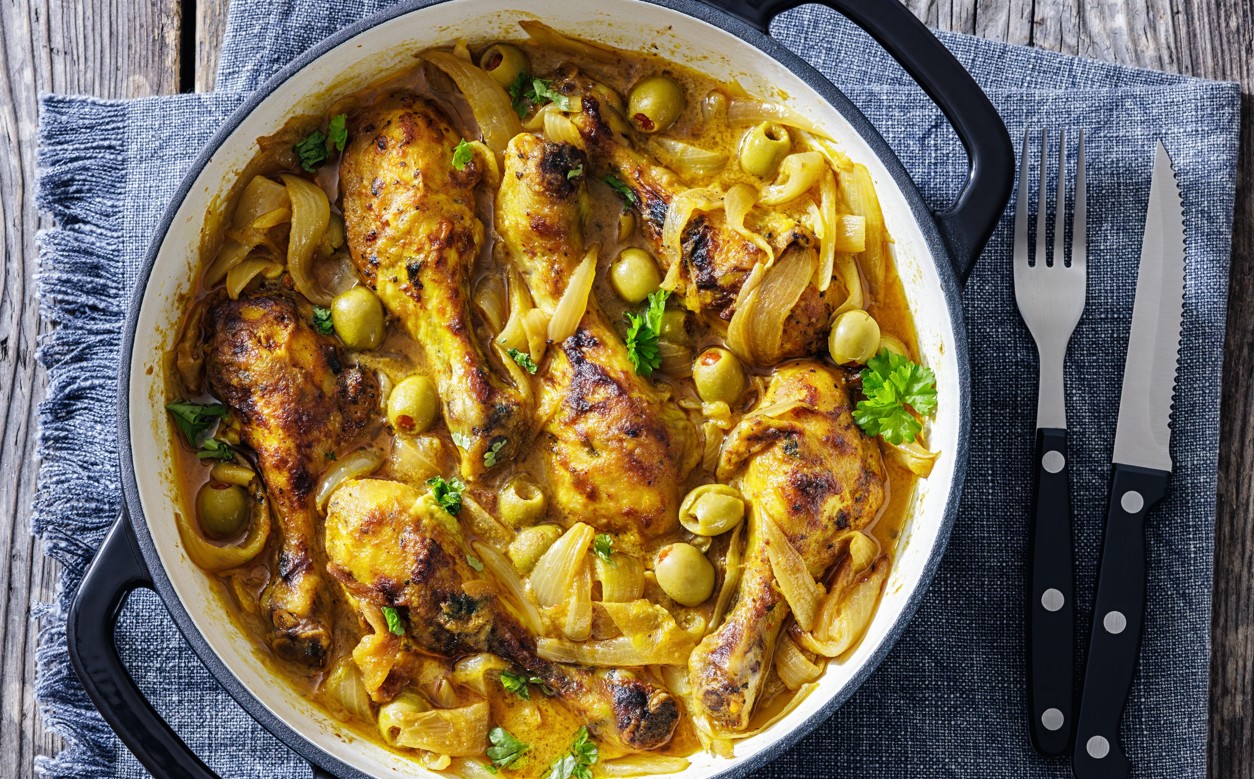
The city’s iconic street food, dibi, consists of lamb or beef grilled over charcoal, marinated with mustard, onions, and spices, and served with bread and raw onion salad. Yassa poulet or yassa poisson—chicken or fish marinated in lemon, mustard, and caramelized onions—demonstrates Dakar’s refined balance of acidity and depth. Mafé, a rich peanut stew with meat or fish, highlights Senegal’s historic peanut economy, while thiébou yapp (the meat version of thieboudienne) appears at celebrations.
Popular snacks include accara (black-eyed pea fritters), fataya (fried pastries filled with fish or meat, influenced by Lebanese cuisine), and freshly baked baguettes—a lasting French legacy. Signature drinks include bissap (hibiscus tea), bouye (baobab fruit drink), and café touba, a spiced coffee flavored with grains of selim.
Everyday Senegalese & Dakarois Food
Breakfast in Dakar is often simple: bread with butter or chocolate spread, café touba from street vendors, or porridge-like dishes such as laakh. Lunch is the primary meal of the day and almost always communal, served from a shared platter and eaten with the right hand. Dinner may be lighter, consisting of leftovers or another cooked dish.
Rice (ceeb) dominates daily eating, despite being imported, and is paired with fish more than any other protein. Common species include thiof (white grouper), sardines, and capitaine. Chicken is widely consumed, followed by lamb and beef. Vegetables—cabbage, carrots, eggplant, okra—are slow-cooked into sauces, while chili paste (piment) is served on the side for individual heat preference. Eating is never rushed; meals are social occasions defined by conversation, respect, and abundance.
Cultural Fusion and Colonial Influences
Dakar’s cuisine reflects centuries of cultural layering. Wolof culinary traditions form the foundation, centered on rice, fish, peanuts, and grilled meats. French colonial rule introduced baguettes, pastries, café culture, and certain cooking techniques, while simultaneously absorbing local flavors. A significant Lebanese community, established in the early 20th century, contributed pastries, shawarma-style meats, and fataya.
Vietnamese influence arrived after the collapse of French Indochina, adding fresh herbs, spring rolls, and noodle dishes that remain visible in the Plateau district. Migration from across West Africa has further diversified Dakar’s markets and street food. The result is a distinctly Dakarois cuisine—where a single day might include Lebanese pastries, Wolof thieboudienne, and French-inspired seafood accented with Asian herbs.
Beverage Culture and Local Refreshments
Dakar’s beverage culture reflects its Islamic heritage and tropical climate. Bissap, served sweet and cold, is ubiquitous. Café touba is consumed throughout the day, poured from thermoses by street vendors. Bouye, made from baobab fruit pulp, is creamy, tart, and highly nutritious. Ginger juice (gingembre) is another popular refreshment.
While many Senegalese abstain from alcohol, Dakar offers bars and restaurants—especially in Almadies and expat areas—serving local beer (notably Flag), French wines, and cocktails. Attaya, a strong, mint-infused tea prepared in three increasingly bitter rounds, is a deeply ingrained social ritual, often shared after meals. Bottled or purified water should always be used.
International Dining and Contemporary Scene
As West Africa’s diplomatic and cultural capital, Dakar boasts impressive international dining. French restaurants range from classic brasseries to modern bistros. Lebanese cuisine is exceptionally strong, while Vietnamese eateries remain a distinctive legacy. Italian, Japanese, Chinese, and Indian restaurants cater to both locals and expatriates.
Modern Senegalese chefs are increasingly reinterpreting traditional dishes with contemporary techniques, often in stylish spaces overlooking the Atlantic. Seafood restaurants benefit from unparalleled freshness, with daily catches grilled simply or presented creatively. Museums, galleries, and cultural centers now host cafés and restaurants that blend art, music, and food. Even at the highest end, local ingredients and Senegalese flavor profiles remain central.
Food Customs and Practical Tips
Dining in Dakar follows strong cultural etiquette. Meals are typically shared from a communal bowl using only the right hand; the left is considered unclean. Guests eat from the portion directly in front of them, while the host may offer prized pieces as a sign of respect. Handwashing before and after meals is customary.
When invited to a home, bring a small gift such as fruit, sweets, or tea. Accept food graciously—refusal can be impolite. Street food is generally safe when freshly cooked; busy dibi stalls are ideal. Visit Soumbédioune Fish Market for an unforgettable seafood experience, and explore Marché Kermel or Sandaga for ingredients and snacks.
Plateau is best for French and Lebanese dining, Almadies for upscale seafood and international cuisine, Ouakam and Yoff for dibi, and the Médina for authentic thieboudienne. Expect relaxed service and unhurried meals. Drink only bottled water. Dakar offers extraordinary value—from inexpensive street food to refined dining. Above all, embrace teranga: share generously, accept hospitality warmly, and savor the deep, soulful flavors of Senegal’s Atlantic capital.
This guide covers what to eat in Dakar, from thieboudienne and yassa to dibi, bissap, and French-Senegalese fusion. Use it to plan your culinary exploration of one of Africa’s most vibrant and influential food cities.
Check monthly weather averages for
Latest Secret Flying deals to Dakar
Brussels, Belgium to Dakar, Senegal for only €325 roundtrip
Cheap flights from Brussels, Belgium to Dakar, Senegal for only €325 roundtrip with TAP Air Portugal.
View DealMilan, Italy to Dakar, Senegal for only €307 roundtrip
Cheap flights from Milan, Italy to Dakar, Senegal for only €307 roundtrip with TAP Air Portugal.
View DealNon-stop from Madrid, Spain to Dakar, Senegal for only €269 roundtrip
Non-stop flights from Madrid, Spain to Dakar, Senegal for only €269 roundtrip with Iberia.
View Deal [adblockingdetector id="638efa67113bf"]