


Best Things to Do in Dakar: A Complete Guide
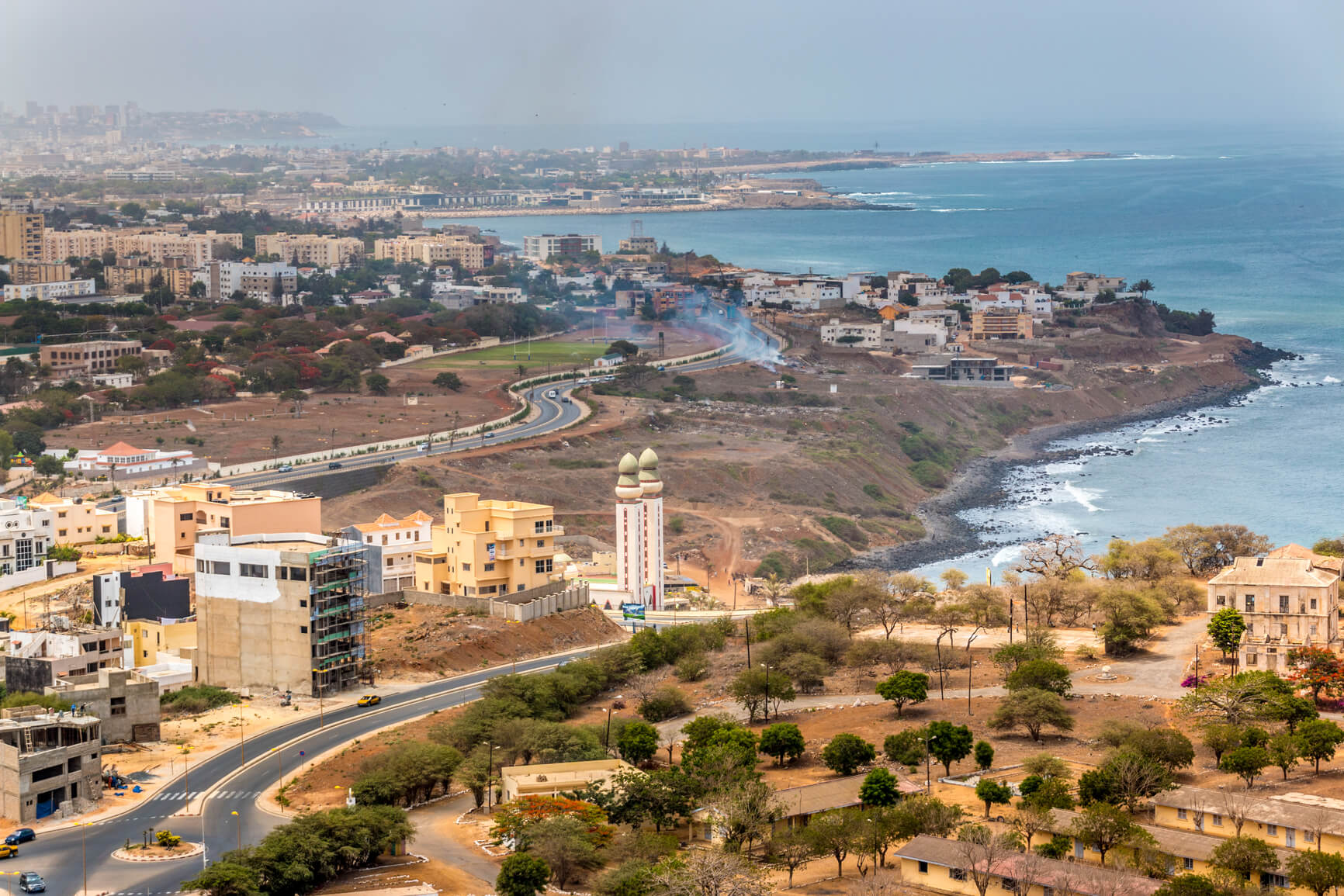
10 Best Things to Do in Dakar
Looking for what to do in Dakar? Senegal’s vibrant capital sits at the westernmost point of Africa, blending deep history, Atlantic coastline, West African culture, colourful markets, powerful memorials, and one of the continent’s most exciting creative and culinary scenes. Dakar moves fast — with energetic neighbourhoods, oceanfront hangouts, modern museums, UNESCO sites, surf beaches and a nightlife culture known across Africa. Whether you’re exploring its volcanic cliffs, diving into its music scene, or learning about its past, the city offers an unforgettable mix of tradition and modernity.
From historic islands and ocean viewpoints to lively districts, cultural museums, bustling markets and seaside escapes, here are the 10 best things to do in Dakar to help you plan the perfect trip.
1. Visit Gorée Island
Gorée Island is Dakar’s most significant historical site — a UNESCO World Heritage treasure that once played a major role in the trans-Atlantic slave trade. The island’s centrepiece, the House of Slaves, is an emotionally powerful museum featuring preserved holding cells, historical documents, and the symbolic “Door of No Return.” Guided visits provide moving accounts of what life was like during the slave-trading era, offering deep insight into one of humanity’s darkest chapters.
But Gorée is more than its painful history. The island is remarkably beautiful, filled with pastel-coloured colonial houses, cobblestone lanes draped in bougainvillea, and quiet courtyards shaded by palm trees. Artists set up studios in restored buildings, and you’ll find galleries showcasing paintings, sculptures and handmade crafts. The island’s peaceful ambience contrasts with its past, making it a place for reflection and cultural appreciation.
Climb the hill to Castel de Gorée for panoramic views of the Atlantic and Dakar’s skyline. Wander past centuries-old fortifications or relax at a seaside café overlooking fishing boats. Gorée offers a unique blend of beauty, art and remembrance — one of the most essential experiences in Senegal.
2. See the African Renaissance Monument
Standing an impressive 49 metres tall, the African Renaissance Monument is the tallest statue in Africa and one of Dakar’s most striking landmarks. The monument depicts a man, woman and child rising toward the future — symbolising African pride, freedom and progress. Built atop the Mamelles volcanic hills, it commands spectacular views over the Atlantic, Almadies district and the surrounding coastline.
Visitors can climb inside the monument, exploring exhibition floors that cover African history, heritage and global influence. At the top, an observation deck offers breathtaking 360-degree views — especially magical during golden hour. Outside, wide staircases provide perfect photo spots, and the base of the monument often hosts festivals, concerts, and community gatherings.
Whether you’re interested in architecture, symbolism or stunning views, this monument is a must-see symbol of modern Senegal.
3. Explore the Dakar Corniche
The Dakar Corniche is one of Africa’s most scenic coastal roads — a long, sweeping stretch of oceanfront cliffs, rocky beaches and surf spots. Locals come here early for morning jogs, yoga sessions, cycling and outdoor workouts, while evenings bring families, musicians and food vendors enjoying the sea breeze. The constant crash of waves against volcanic rocks gives the Corniche a dramatic atmosphere, especially during high tide.
Along the Corniche, you’ll find panoramic viewpoints perfect for photography, as well as small coves where surfers ride some of Senegal’s most consistent waves. The path connects major neighbourhoods, including Fann, Medina, Ouakam and Almadies, allowing travellers to explore Dakar’s coastline on foot or by car. On weekends, the road fills with food stalls selling grilled corn, fresh juices and Senegalese snacks.
Sunsets here are unforgettable — the sky turns fiery orange as the Atlantic stretches endlessly into the horizon. Few places capture the soul of Dakar like the Corniche.
4. Visit the Museum of Black Civilisations
The Museum of Black Civilisations is one of Africa’s most ambitious cultural institutions — a massive, beautifully designed museum celebrating African heritage, ancient kingdoms, global influence, and future innovation. Its galleries explore thousands of years of history, from early human civilizations and traditional African art to diasporic culture, modern creativity and contemporary issues.
Visitors can admire ceremonial masks, bronze sculptures, textiles, musical instruments, archaeological finds, and multimedia exhibitions. Rotating international collections often include collaborations with museums across Africa, Europe and the Americas. The museum’s mission is to highlight Africa’s contributions to world history — a narrative often overlooked elsewhere.
Give yourself plenty of time to explore; it’s one of Dakar’s most enriching and educational attractions.
5. Wander Marché Sandaga
Marché Sandaga is Dakar’s most famous market — an energetic maze of stalls overflowing with colour, sound and movement. Vendors sell everything from bright wax-print fabrics and handwoven baskets to spices, leather goods, electronics, beauty products and local produce. Walking through its narrow alleys is a sensory experience filled with music, bargaining, laughter and the aromas of West African street food.
If you’re looking to shop, this is one of the best places to buy traditional Senegalese textiles, custom-tailored outfits, wooden masks, jewellery or decorative items. Tailors can create outfits within a day, and many vendors are happy to explain the cultural meanings behind patterns and fabrics. Even if you don’t plan on purchasing anything, watching the flow of daily life here is fascinating.
The market is lively, crowded and unforgettable — a true taste of Dakar’s local energy.
6. Explore Ngor Island
Just a short pirogue (traditional boat) ride from Dakar’s northern shore, Ngor Island offers one of the city’s most peaceful escapes. The island features colourful homes, sandy beaches, fishing boats, relaxed cafés and a bohemian atmosphere shaped by artists and surfers. The western side of the island faces the open Atlantic and is renowned for big waves, while the eastern side is calm and perfect for swimming and snorkelling.
Spend the day sunbathing, wandering the narrow alleys, tasting fresh seafood or visiting small artist workshops. Many travellers stay for the sunset, when the sky glows pink and orange and the island becomes a tranquil hideaway from the city’s rush. Whether you want to surf, swim, explore or simply unwind, Ngor Island is a must-visit.
7. Visit the Grand Mosque of Dakar
Completed in 1964, the Grand Mosque of Dakar is one of the capital’s most architecturally striking religious landmarks. Inspired by North African and Moorish designs, it features a tall green-tiled minaret, ornate arches, decorative calligraphy and a peaceful mosque square surrounded by palms. While the interior is reserved for Muslim worshippers, non-Muslims can admire the mosque’s impressive exterior and its surrounding neighbourhood.
The area around the mosque reveals another side of Dakar — quieter, traditional and deeply spiritual. The sound of the call to prayer echoing across the city from this mosque is one of Dakar’s most atmospheric experiences.
8. Explore the Almadies Peninsula
The Almadies Peninsula marks the westernmost point of the African continent and is one of Dakar’s most modern, stylish and energetic districts. It’s filled with oceanfront restaurants, upscale lounges, surf bars, beach clubs, seafood grills and lively terraces overlooking the crashing waves. Whether you want fine dining or casual beachside meals, Almadies offers unbeatable views and a vibrant dining scene.
During the day, surfers ride waves along the rugged volcanic coastline, while travellers relax at seaside cafés. At night, Almadies becomes Dakar’s social hub — with music-filled venues, outdoor dining, and nightlife that often continues until sunrise. It’s the perfect district for sunset drinks, romantic evenings or lively nights out.
9. Visit IFAN Museum of African Arts
The IFAN Museum (Musée Théodore Monod) is one of West Africa’s oldest and most respected institutions dedicated to African anthropology, culture and traditional arts. Its carefully curated collection includes masks, wooden statues, woven textiles, royal regalia, musical instruments and culturally significant artifacts from Senegal and neighbouring countries.
The museum offers deep insight into the symbolism, craftsmanship and diversity of West African ethnic groups. Exhibits are organized thematically, helping visitors understand how spirituality, daily life, ritual and identity shape traditional African material culture. For travellers wanting to explore Senegal’s deeper heritage, this museum is invaluable.
10. Enjoy Dakar’s food, music & nightlife
Dakar is one of Africa’s great food and music capitals. Senegalese cuisine is rich and flavourful, with dishes like thieboudienne (the national rice-and-fish dish), yassa chicken, grilled brochettes, pastels, mafé peanut stew and fresh Atlantic seafood found across the city. Street food stalls, casual eateries, upscale restaurants and beachfront grills offer endless options — each reflecting Dakar’s cultural fusion of Wolof, French and pan-African influences.
Music is central to Dakar’s identity. From mbalax (popularized by Youssou N’Dour) to Afrobeat, jazz, reggae and percussion circles, live performances are easy to find, especially in Medina, Almadies and the Plateau district. Rooftop bars and lounges offer stylish evening hangouts, while dance clubs energize the city with rhythms that carry late into the night.
Whether you’re tasting local dishes, listening to live music or dancing on the beach, Dakar’s nightlife and culinary scene capture the city’s warm, creative and energetic soul.
Check monthly weather averages for
Latest Secret Flying deals to Dakar
Brussels, Belgium to Dakar, Senegal for only €325 roundtrip
Cheap flights from Brussels, Belgium to Dakar, Senegal for only €325 roundtrip with TAP Air Portugal.
View DealMilan, Italy to Dakar, Senegal for only €307 roundtrip
Cheap flights from Milan, Italy to Dakar, Senegal for only €307 roundtrip with TAP Air Portugal.
View DealNon-stop from Madrid, Spain to Dakar, Senegal for only €269 roundtrip
Non-stop flights from Madrid, Spain to Dakar, Senegal for only €269 roundtrip with Iberia.
View Deal [adblockingdetector id="638efa67113bf"]