


Dakhla Food Guide
Food in Dakhla: What to Eat & Drink
The culinary landscape of is a rare and compelling fusion of Saharan nomadic tradition, Atlantic Ocean abundance, and Moroccan culinary influence, creating a cuisine shaped equally by desert austerity and maritime generosity. Set on a narrow peninsula stretching deep into the Atlantic along the edge of the Sahara, Dakhla occupies one of the most extreme food environments on Earth—where ocean and desert meet daily on the plate.
Historically known as Villa Cisneros during the Spanish colonial era, and today administered by Morocco, Dakhla has developed a food culture defined by simplicity, freshness, and hospitality. Its cuisine reflects Sahrawi Bedouin heritage, Spanish fishing traditions, and North African cooking techniques, while its emerging status as an international kitesurfing and adventure tourism destination has introduced modest global influences. The result is a focused, ingredient-driven cuisine where seafood reigns supreme and every meal reflects life at the edge of land and sea.
Local Specialities of Dakhla
Dakhla is internationally renowned for its exceptional seafood, particularly oysters farmed in Dakhla Bay, whose nutrient-rich waters produce some of Africa’s finest shellfish. Served raw with lemon or lightly dressed, these oysters are the city’s culinary flagship. Dakhla-style fish tagine is the most emblematic local dish, featuring freshly caught sea bream, grouper, or dorado slow-cooked with preserved lemon, olives, onions, and restrained Saharan spice.
Camel meat, central to Sahrawi nomadic culture, appears grilled, stewed, or prepared in tagines, prized for its leanness and depth of flavor. Octopus, abundant in local waters, is commonly grilled simply with olive oil, cumin, and salt, often enjoyed beachside. Madfouna, sometimes called “Saharan pizza,” is a stuffed bread traditionally baked under hot sand, filled with meat, onions, and spices—now more commonly oven-baked but still deeply symbolic of desert cooking.
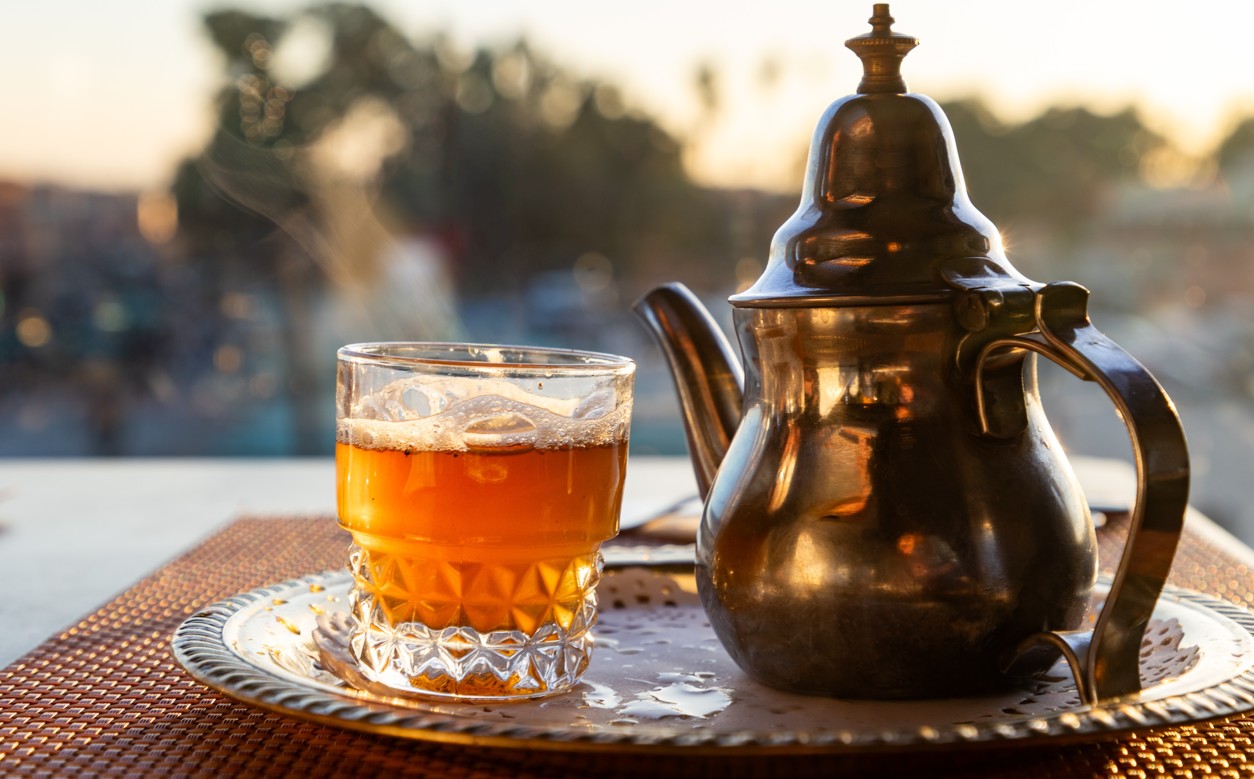
Dates from nearby oases, especially Medjool varieties, are eaten fresh, stuffed, or paired with savory dishes. Mint tea, intensely sweet and ceremonially prepared, is the universal social drink and accompanies nearly every meal. Traces of Spanish influence survive in certain pastries and seafood grilling techniques, reflecting Dakhla’s colonial past.
Everyday Sahrawi & Dakhla Food
Breakfast in Dakhla is simple and bread-based, often featuring msemen (layered flatbread) or baghrir (spongy pancakes) with honey, olive oil, or cheese, always accompanied by mint tea. Lunch is the main meal of the day, typically a shared tagine or large seafood platter eaten communally. Dinner is lighter and may consist of bread, fish, or leftovers.
Fish is consumed daily—grilled, fried, stewed, or cooked into tagines—depending on the catch and weather conditions. Couscous, traditionally served on Fridays, is prepared with fish or meat and the limited vegetables available locally. Camel milk, fresh or lightly fermented, remains culturally significant and nutritionally important. Vegetables are sparse, sourced from small oasis gardens or transported from northern Morocco. Bread, baked in communal ovens, accompanies every meal.
Sahrawi hospitality dictates that food is shared generously with guests, regardless of scarcity. While modern tourism has introduced more variety in restaurants and hotels, traditional eating patterns remain deeply rooted in local homes.
Cultural Fusion: Sahrawi, Moroccan & Spanish Influences
Dakhla’s cuisine is a living record of its layered history. Indigenous Sahrawi traditions emphasize portable, preserved foods—dried meat, dates, milk—and minimal seasoning suited to nomadic life. Moroccan influence since the late 20th century introduced tagines, couscous techniques, spice blends such as cumin and saffron, and sweet pastries.
Spanish colonial rule (1884–1975) left behind fishing infrastructure, certain seafood preparations, and elements of café culture. Sub-Saharan influences arrive through trade routes linking Mauritania and the Sahel. Modern tourism adds light European touches without overwhelming local identity. The result is a cuisine that is neither fully Moroccan nor purely Sahrawi, but unmistakably Dakhla—coastal, austere, and intensely tied to place.
Beverage Culture on the Desert Coast
Beverage culture in Dakhla reflects desert realities and social values. Sweet mint tea is central to daily life and hospitality, traditionally served in three rounds—sweet, stronger, and finally bitter—symbolizing life’s stages. Water is precious and treated with respect.
Camel milk is consumed for nourishment and tradition. Coffee appears less frequently but is available, sometimes spiced. Fruit juices made from imported fruits are common in cafés. Alcohol is available in tourist hotels and select restaurants due to international tourism, though many locals abstain in accordance with Islamic practice. Spanish-style espresso survives in a few cafés, a quiet colonial remnant.
International Dining and Tourism Influence
Dakhla’s rise as a world-class kitesurfing destination has modestly expanded its dining scene. Lagoon-side restaurants cater to visitors with grilled seafood, paella-style rice dishes, and light international fare. French, Spanish, and Italian influences are most evident in tourist areas, while hotels offer buffet-style dining blending Moroccan and international dishes.
Despite this growth, Dakhla’s most memorable meals remain the simplest: fish grilled moments after landing, oysters eaten beside the lagoon, or a home-cooked tagine shared with tea in a Sahrawi tent. Geographic isolation limits ingredient diversity, but this constraint sharpens culinary focus—quality, freshness, and restraint define the local table.
Food Customs and Practical Tips
Dining in Dakhla follows Sahrawi and Moroccan customs. Meals are often eaten communally from a shared dish, using the right hand with bread as a utensil. Hosts may offer prized pieces to guests as a sign of respect. Washing hands before and after eating is customary, and a basin may be brought to the table.
If invited to a meal, bring a small gift such as dates, tea, or sugar. Try everything offered—refusing food can be impolite. Street food is generally safe; choose busy seafood grills. For the freshest experience, visit the port in the morning, select your fish, and have it prepared nearby. Do not miss the oysters of Dakhla Bay—they are a world-class specialty.
Respect the tea ritual and the unhurried pace of meals. Drink only bottled or purified water. During Ramadan, avoid eating or drinking in public during daylight hours. Expect higher prices for imported goods, but excellent value for local seafood. Above all, accept hospitality with gratitude—the Sahrawi welcome is sincere, generous, and central to life in Dakhla.
This guide covers what to eat in Dakhla, from oysters and fish tagines to camel dishes and Saharan specialties. Use it to plan your culinary exploration of this extraordinary destination where desert and ocean converge at Africa’s edge.
 [adblockingdetector id="638efa67113bf"]