


Dar es Salaam Food Guide
Food in Dar es Salaam: What to Eat & Drink
The culinary landscape of is a vibrant fusion of Swahili coastal traditions, Bantu agricultural heritage, Arab spice-trade influence, and Indian Ocean maritime abundance, making it East Africa’s most dynamic food capital. As Tanzania’s largest city, principal port, and economic hub, Dar es Salaam has developed a cuisine that balances everyday ugali-based meals with fragrant coconut curries, charcoal-grilled meats, and an extraordinary variety of fresh seafood.
Dar’s food culture reflects its evolution from fishing settlement to colonial administrative center and modern megacity, as well as its historic role as the mainland gateway to Zanzibar. Influences from Arab traders, Indian merchants, German and British colonial rule, and contemporary migration blend seamlessly into a cuisine that is aromatic, communal, and deeply connected to both land and sea. From roadside mishkaki grills in Kariakoo to oceanfront restaurants in Oyster Bay, Dar es Salaam offers a culinary journey through the heart of the Swahili coast.
Local Specialities of Dar es Salaam
Dar es Salaam is celebrated for mishkaki, marinated beef or goat skewers grilled over charcoal and served with chapati and kachumbari (fresh tomato-onion salad). The city’s most ubiquitous dish, wali na maharage (rice and beans), is Tanzania’s national staple, often enriched with coconut milk and gentle spices. Nyama choma—grilled goat or beef—is the quintessential social food, eaten communally and paired with cold beer.
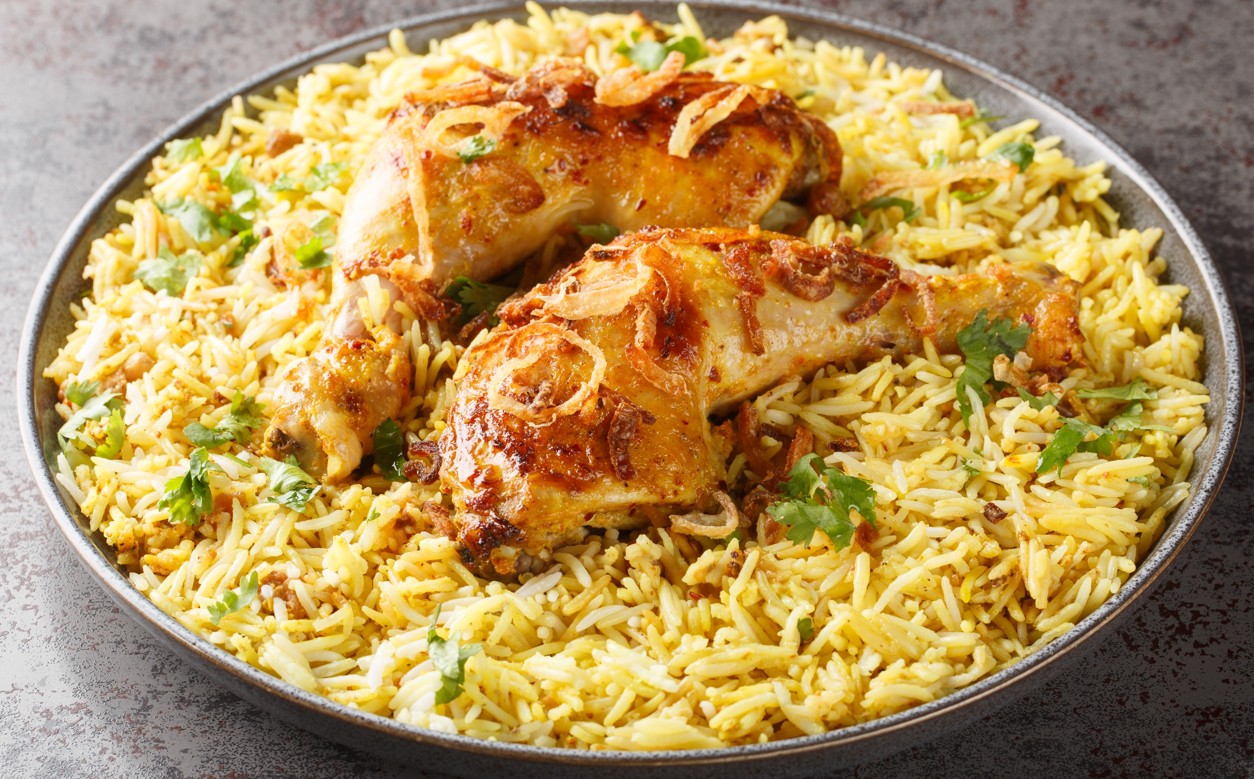
Pilau, a fragrant spiced rice dish with meat and raisins, reflects Arab influence along the coast. Samaki wa kupaka, fish cooked in a rich coconut sauce with turmeric and curry leaves, is a hallmark of Swahili cuisine. Ugali, the firm maize porridge eaten by hand, anchors most meals. Zanzibari-inspired rice dishes, including biryani-style mixes with potatoes and eggs, highlight the close relationship between the city and the islands.
Street snacks such as vitumbua (rice flour doughnuts) and mandazi (fried bread) are eaten throughout the day. Fresh sugarcane juice and coconut water are essential refreshments in the tropical heat.
Everyday Tanzanian & Dar es Salaam Food
Breakfast in Dar often includes mandazi with chai (strong, sweet spiced tea) or uji, a porridge made from millet or maize. Lunch is the main meal, typically rice or ugali served with meat or fish stew, beans, and leafy greens such as sukuma wiki. Dinner is lighter or similar to lunch, often eaten later in the evening.
Seafood—tilapia, Nile perch, prawns, squid, and octopus—is widely consumed along the coast. Plantains (ndizi) are boiled, fried, or mashed. Beans cooked in coconut milk provide daily protein. Tropical fruits including mango, pineapple, papaya, and passion fruit are eaten fresh or juiced. Indian culinary influence is evident in the widespread use of chapati and curry-style sauces.
The philosophy of pole pole (“slowly, slowly”) shapes dining habits—meals are social, unhurried, and often shared. Street food culture is integral to daily life, with vendors selling grilled corn, samosas, eggs, and fried snacks from morning until late at night.
Cultural Fusion: Swahili, Indian, Arab & European Influences
Dar es Salaam’s cuisine is a product of centuries of trade and migration. Indigenous Bantu traditions provide the foundation—ugali, stews, communal eating. Arab traders introduced rice dishes, spice blends, and coconut-based cooking. Indian communities contributed chapatis, samosas, curries, and sweets that are now fully embedded in daily food culture.
German and later British colonial rule added elements of baking and European-style dining, particularly in urban areas. Zanzibar’s influence remains strong through migration and shared history. More recent Chinese and East Asian communities have added new layers. The result is a uniquely Dar es Salaam table where Indian-style snacks, Swahili coconut fish, and Bantu staples coexist effortlessly.
Beverage Culture and Local Refreshments
Dar es Salaam’s beverage culture reflects its climate and cultural diversity. Chai—milky, heavily sweetened, and spiced—is consumed throughout the day at roadside tea stalls that double as neighborhood meeting points. Fresh fruit juices, especially sugarcane, mango, tamarind, and passion fruit, are widely available.
Local beers such as Safari, Kilimanjaro, and Serengeti are popular companions to nyama choma. Palm wine (tembo) exists but is less common in the city. Soft drinks are ubiquitous. Coconut water straight from the shell is a prized refreshment. While Tanzania produces excellent coffee, much is exported; local coffee culture is stronger in upscale neighborhoods and hotels.
International Dining and Contemporary Scene
As East Africa’s commercial capital, Dar es Salaam offers impressive international dining. Indian cuisine is particularly strong, ranging from Gujarati vegetarian thalis to Punjabi tandoori restaurants. Chinese dining is well established, especially in the city center. Italian and Mediterranean influences appear in higher-end restaurants and hotels.
Lebanese, Ethiopian, Korean, and pan-Asian restaurants reflect growing diversity. Modern Tanzanian restaurants are reinterpreting traditional dishes with contemporary presentation, particularly in Oyster Bay and Masaki. Seafood restaurants along the Msasani Peninsula serve exceptionally fresh fish with ocean views. Even at the high end, Dar’s dining scene remains rooted in local flavors and ingredients.
Food Customs and Practical Tips
Dining in Dar es Salaam emphasizes hospitality and respect. Ugali and some rice dishes are traditionally eaten with the right hand, though utensils are common in urban restaurants. Washing hands before meals is customary, and a basin may be provided. When invited to a home, a small gift such as fruit, sugar, or tea is appreciated.
Try all food offered—declining can be considered impolite. Eat from your section of communal plates. Street food is generally safe when freshly cooked and hot; busy stalls are best. Visit Kariakoo Market for an authentic sensory experience of Dar’s food economy. The Kivukoni fish market offers some of the freshest seafood in the city.
Explore neighborhoods strategically: Kariakoo for street food and markets, the city center for Indian and Chinese dining, Oyster Bay and Masaki for upscale restaurants, and Msasani for seafood. Respect Islamic customs in Muslim areas, particularly regarding alcohol. Expect relaxed service—meals are not rushed. Drink only bottled or purified water.
This guide covers what to eat in Dar es Salaam, from mishkaki and ugali to coconut curries and Swahili seafood. Use it to plan your culinary exploration of Tanzania’s vibrant, flavorful coastal capital.
Check monthly weather averages for
Latest Secret Flying deals to Dar es Salaam
European cities to Dar Es Salaam, Tanzania from only €425 roundtrip
Cheap flights from European cities to Dar Es Salaam, Tanzania from only €425 roundtrip.
View DealAthens, Greece to Dar Es Salaam, Tanzania for only €413 roundtrip
Cheap flights from Athens, Greece to Dar Es Salaam, Tanzania for only €413 roundtrip.
View DealVienna, Austria to Dar Es Salaam, Tanzania for only €449 roundtrip
Cheap flights from Vienna, Austria to Dar Es Salaam, Tanzania for only €449 roundtrip with KLM.
View Deal [adblockingdetector id="638efa67113bf"]