


Darwin Food Guide
Food in Darwin: What to Eat & Drink
The culinary landscape of is a distinctive fusion of tropical Australian produce, Southeast Asian flavours, and Indigenous Aboriginal food traditions, creating one of the most unique food cultures in the country. As the capital of the Northern Territory and Australia’s only tropical capital city, Darwin has developed a cuisine shaped by extreme climate, geographic isolation, and its role as Australia’s northern gateway to Asia.
Darwin’s food culture reflects its history as a pearling port, its destruction and rebirth after Cyclone Tracy, its strong military presence, and decades of migration from Southeast Asia and the Mediterranean. The result is a relaxed yet adventurous dining scene defined by ultra-fresh seafood, bold spices, native ingredients, and outdoor eating timed around spectacular sunsets and the rhythms of the wet and dry seasons.
Local Specialities of Darwin
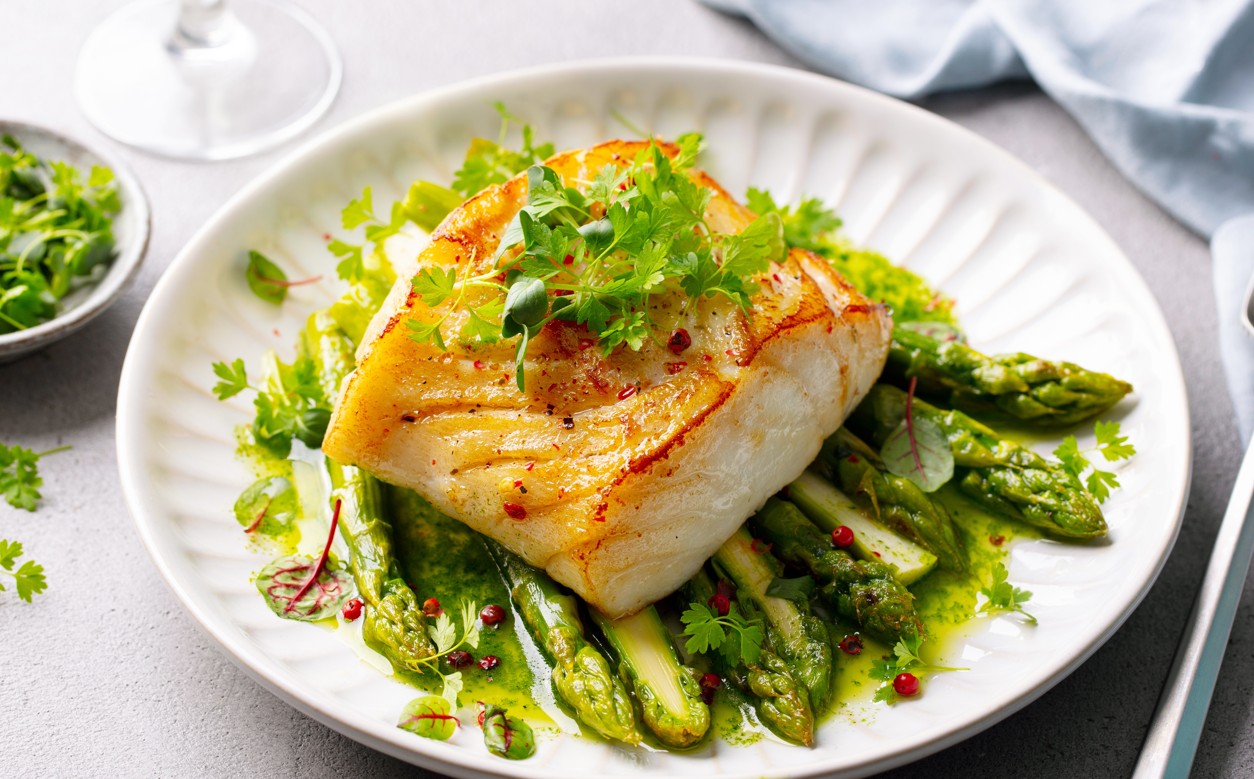
Darwin is best known for its barramundi, the Northern Territory’s iconic fish, served grilled, battered, in curries, or as fish and chips. The city’s signature seafood dish is chilli mud crab, featuring enormous local mangrove crabs stir-fried with garlic, ginger, chillies, and Asian sauces. These crabs are among the largest and sweetest in the world.
Buffalo meat, sourced from feral water buffalo herds in the Top End, appears as steaks, burgers, and sausages, offering a leaner, gamey alternative to beef. Crocodile meat—typically grilled, skewered, or served in Asian-style salads—is a Northern Territory novelty protein with a mild, chicken-like flavour and seafood texture. Kangaroo, sustainably harvested, features on modern Australian menus.
Native bush foods such as wattleseed, lemon myrtle, bush tomato, and Kakadu plum (the world’s richest natural source of vitamin C) are increasingly incorporated into contemporary cuisine. Mangoes—particularly the Kensington Pride variety—are a seasonal obsession during the dry season, used in salads, chutneys, desserts, and cocktails. Laksa, the spicy coconut noodle soup, is so beloved it is often referred to as Darwin’s unofficial national dish, celebrated annually at the Darwin International Laksa Festival.
Everyday Darwin & Top End Food
Breakfast in Darwin often features tropical fruit plates with papaya, pineapple, and mango, avocado toast with native spices, or a classic Australian “big brekky” adapted to the heat. Lunch tends to be light—fresh seafood salads, Asian noodle soups, or burgers—while dinner focuses on grilled seafood, shared plates, and sunset dining.
Seafood is consumed almost daily, with barramundi, prawns, reef fish, and mud crabs dominating menus. Asian flavours—lemongrass, chilli, coconut milk, fish sauce—are embedded in everyday cooking. Barbecuing is a year-round activity, though usually avoided during the hottest part of the day.
Darwin’s dining rhythms are shaped by climate. The dry season (May–October) is peak time for outdoor eating, markets, and festivals, while the wet season (November–April) brings different fish species, more indoor dining, and a slower pace. Because of Darwin’s remoteness, locally sourced ingredients are highly valued, and chefs work closely with fishermen and producers.
Cultural Fusion: Indigenous, Asian & Outback Traditions
Darwin’s cuisine reflects thousands of years of Indigenous food knowledge from the Larrakia people and other Aboriginal groups, who have long relied on native plants, seafood, and game. Chinese miners and pearlers arrived in the 19th century, introducing early Asian culinary influences.
Post-war immigration brought Greek, Italian, and Eastern European traditions, while the 1970s and 1980s saw large numbers of Vietnamese and Timorese refugees transform the local food scene. More recent migration from the Philippines, Thailand, and India has further deepened Darwin’s Southeast Asian identity.
The cattle station culture of the Northern Territory contributes a rugged, meat-centric cooking tradition. Together, these influences create a cuisine where barramundi might be served with Vietnamese herbs, buffalo cooked with Mediterranean techniques, and desserts flavoured with native Australian botanicals.
Craft Beverage Scene and Tropical Refreshments
Darwin’s beverage culture is driven by heat, humidity, and outdoor living. The local craft beer scene has expanded rapidly, with breweries producing refreshing lagers, hazy IPAs, and experimental beers using tropical and native ingredients. Rum plays an important role, reflecting both tropical heritage and local production.
The legendary Darwin Stubby—a 2.25-litre bottle of beer—is a symbolic Territory icon, though now largely ceremonial. Beer remains the drink of choice, while wine from southern Australia is widely available. Coffee culture is strong, with high-quality flat whites served across the city.
Fresh fruit smoothies, juices, and iced drinks are essential in the tropical climate. Sunset drinking is a daily ritual—waterfront venues fill as the sky changes colour over the Arafura Sea. During the wet season, socialising shifts indoors, but the emphasis on relaxed, communal drinking remains.
International Dining and Contemporary Scene
Darwin boasts some of Australia’s most authentic Southeast Asian dining. Vietnamese pho shops, Thai restaurants, Indonesian warungs, and Malaysian eateries are abundant and well-established. Chinese cuisine ranges from traditional Cantonese to newer regional styles.
European influences persist through Greek tavernas and Italian restaurants, while modern Australian venues creatively fuse native ingredients with Asian techniques. Fine-dining restaurants often offer tasting menus showcasing Top End produce.
Despite its international range, Darwin’s dining scene retains a distinct Top End character—casual, welcoming, and slightly untamed. The city’s small size means chefs often know their suppliers personally, fostering a close-knit food community centred on freshness and quality.
Food Customs and Practical Tips
Dining in Darwin is relaxed and informal. Shorts, sandals, and casual wear are acceptable almost everywhere. Tipping is not expected but appreciated for excellent service. Reservations are recommended for popular waterfront restaurants, particularly during dry-season sunsets.
Trust daily seafood specials—they reflect what’s freshest. Try barramundi prepared in different ways to appreciate its versatility. Visit the Mindil Beach Sunset Markets (dry season only) for outstanding Asian street food and multicultural atmosphere. Counter meals at historic pubs offer good value and local flavour.
Explore neighbourhoods strategically: the Waterfront for scenic dining, Parap for markets and Vietnamese food, Cullen Bay for marina-side restaurants, and Fannie Bay for casual cafes. Stay hydrated, eat lightly during the day, and embrace Darwin time—meals are best enjoyed slowly, with a view and a cold drink.
This guide covers what to eat in Darwin, from barramundi and chilli mud crab to crocodile and bush tucker ingredients. Use it to plan your culinary exploration of Australia’s tropical capital where Asia meets the outback.
Check monthly weather averages for
Latest Secret Flying deals to Darwin
Non-stop from Melbourne, Australia to Darwin, Australia for only $360 AUD roundtrip
Non-stop flights from Melbourne, Australia to Darwin, Australia for only $360 AUD roundtrip with Jetstar.
View DealNon-stop from Singapore to Darwin, Australia for only $390 USD roundtrip
Non-stop flights from Singapore to Darwin, Australia for only $390 USD roundtrip with Qantas.
View DealNon-stop from Brisbane, Australia to Darwin, Australia for only $157 AUD roundtrip (& vice versa) (Nov-Dec dates)
Non-stop flights from Brisbane, Australia to Darwin, Australia for only $157 AUD roundtrip.
View Deal [adblockingdetector id="638efa67113bf"]