


Denver Food Guide
Food in Denver: What to Eat & Drink
The culinary landscape of is a dynamic expression of Rocky Mountain heritage, craft beverage dominance, and modern metropolitan ambition. Known as the Mile High City, Denver has developed a food culture that balances hearty Western traditions with inventive farm-to-table cuisine, global influences, and an outdoor-driven lifestyle that shapes how, when, and what people eat.
Denver’s cuisine reflects its evolution from gold-rush settlement and railroad hub to booming tech center and craft-beer capital. Positioned where the Great Plains meet the Rocky Mountains, the city draws from Colorado’s ranching legacy, fertile agricultural regions, and an entrepreneurial culinary spirit, resulting in food that is bold, locally rooted, and increasingly sophisticated.
Local Specialities of Denver
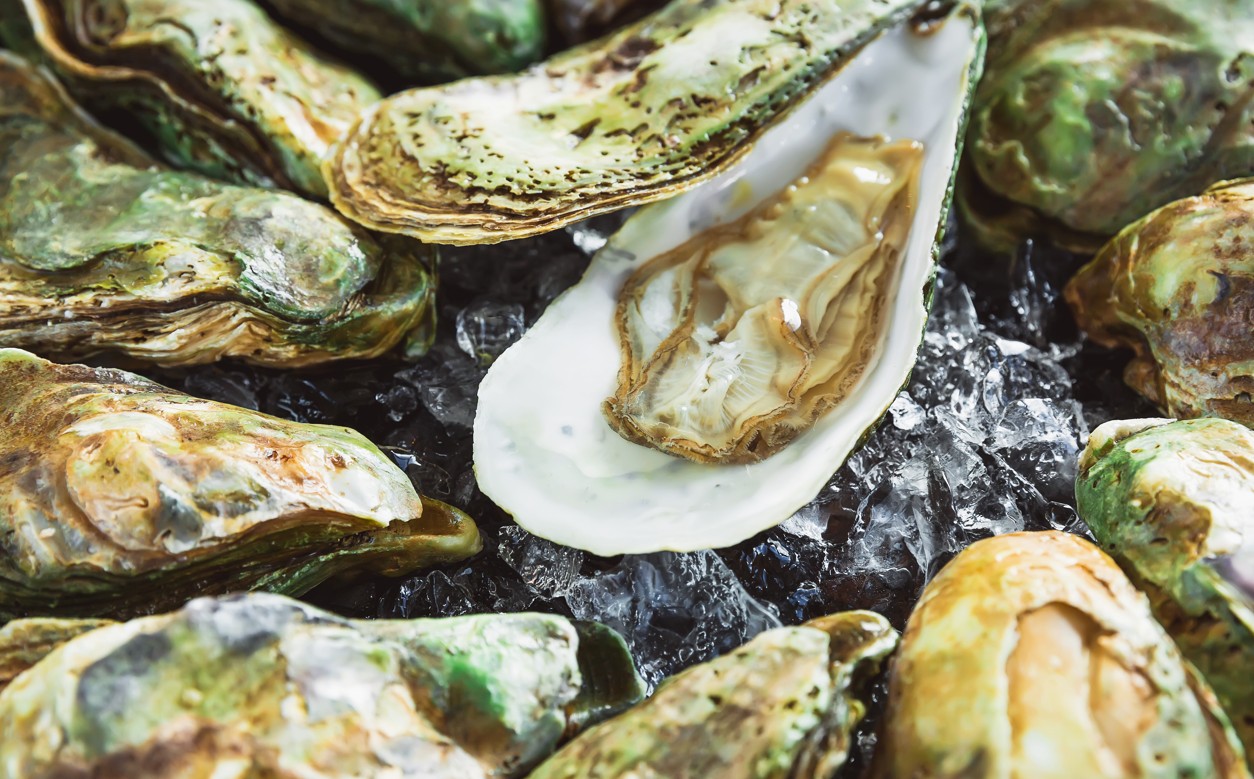
Denver is famously associated with Rocky Mountain oysters—breaded and fried bull testicles—served as a novelty Western dish at historic institutions such as the Buckhorn Exchange. While divisive, they remain a symbol of frontier bravado. The Denver omelet (or Western omelet), filled with ham, onions, bell peppers, and cheese, is another namesake dish, though its exact origins are debated.
Colorado green chili (chili verde) is a defining local obsession. Made with pork and roasted Pueblo green chilies, it appears everywhere—smothering burritos, ladled over fries, or served as a stew in its own right. Bison burgers and steaks offer a lean, flavorful alternative to beef and reflect the state’s native wildlife heritage. Freshwater trout—especially rainbow and cutthroat—features prominently on menus showcasing Colorado’s rivers and streams.
Seasonal produce plays a major role. Palisade peaches from Colorado’s Western Slope appear in summer desserts, cobblers, and cocktails, while Rocky Ford melons are prized statewide. Denver’s brewing legacy is unmatched: from historic Coors in nearby Golden to Blue Moon’s origins and hundreds of modern microbreweries, beer is inseparable from the city’s food identity.
Everyday Colorado & Denver Food
Breakfast in Denver often includes hearty fuel for active days: breakfast burritos smothered in green chili, eggs with local sausage, or pancakes adapted for high-altitude baking. Lunch leans toward creative salads, gourmet burgers, tacos, and globally inspired bowls. Dinner ranges from classic steakhouse fare to refined international cuisine.
Beef dominates menus, but game meats such as elk, venison, and bison appear seasonally. Freshwater fish from Colorado waters is common, while local farms supply sweet corn, melons, stone fruit, and vegetables to farm-to-table restaurants. Denver’s health-conscious, outdoors-focused population drives demand for both indulgent post-adventure meals and lighter, nutrient-focused options.
The city’s food-truck culture is particularly strong, clustering around breweries, civic spaces, and events. Many of Denver’s most inventive concepts start on wheels before becoming brick-and-mortar successes.
Cultural Fusion: Western, Mexican & Immigrant Influences
Denver’s cuisine reflects layered cultural influences. Indigenous peoples relied on bison, berries, and native plants long before settlement. The 1858 gold rush brought miners and ranchers who established cattle-based Western cooking traditions. Mexican and Hispano communities introduced chilies, beans, corn, and techniques that evolved into Colorado’s distinctive Southwestern flavors.
European immigrants—particularly German, Italian, and Eastern European—contributed baking, sausage-making, and brewing traditions. In recent decades, immigration from Mexico, Vietnam, Ethiopia, and across Asia has dramatically expanded Denver’s food landscape. Today, it’s common to find Vietnamese pho made with Colorado brisket, Ethiopian stews alongside craft IPAs, or Mexican-inspired dishes using locally grown produce.
This blending of frontier roots and global creativity defines modern Denver dining.
Craft Beverage Scene and Local Producers
Denver is one of the undisputed capitals of American craft beer, often described as the country’s “Napa Valley of Beer.” With more than 100 breweries in the metro area, the city produces everything from classic lagers and hop-forward IPAs to experimental barrel-aged sours. The annual Great American Beer Festival, held in Denver, is the most prestigious beer competition in the United States.
Craft distilleries produce whiskey, gin, vodka, and specialty spirits using Colorado grains and botanicals. Wines from the Grand Valley AVA on Colorado’s Western Slope increasingly appear on restaurant lists. Coffee culture is strong, with specialty roasters adapting extraction techniques to high altitude. Kombucha and craft sodas provide popular non-alcoholic alternatives.
Altitude affects everything—from brewing and distilling to alcohol absorption—making Denver’s beverage scene uniquely technical. The outdoor lifestyle favors refreshing, sessionable drinks and high-quality coffee for early starts in the mountains.
International Dining and Contemporary Scene
Denver’s rapid growth has brought impressive international dining diversity. Mexican cuisine goes far beyond Tex-Mex, showcasing regional cooking from across Mexico. Vietnamese, Thai, Ethiopian, Japanese, Korean, Indian, and Middle Eastern restaurants are well established throughout the city.
Modern American restaurants in neighborhoods like RiNo, LoDo, the Highlands, and South Broadway reinterpret Western ingredients with contemporary techniques and artistic presentation. Food halls such as Denver Central Market and Avanti Food & Beverage highlight local chefs and small operators. Fine-dining restaurants increasingly offer tasting menus focused on Colorado’s seasons and producers.
Despite its sophistication, Denver’s dining culture remains approachable—ambitious without being pretentious, rooted in local sourcing and community identity.
Food Customs and Practical Tips
Dining in Denver is relaxed and friendly, ranging from brewery taprooms and patios to polished dining rooms. Tipping (18–20%) is standard. Reservations are recommended for popular restaurants, especially in RiNo, LoDo, and the Highlands on weekends.
When ordering game meats, expect leaner textures and deeper flavors than conventional beef. Don’t leave without trying Colorado green chili—it’s a point of local pride and differs notably from New Mexican versions. Farmers’ markets, including Cherry Creek and Union Station, are excellent for local products.
Explore by neighborhood: RiNo for innovation and breweries, LoDo for historic steak houses and upscale dining, the Highlands for trendy spots, and South Broadway for eclectic, independent eateries. Be mindful of altitude—alcohol hits harder, and baked goods behave differently.
Denver offers exceptional value compared to many coastal food cities, delivering high quality without excessive formality. Above all, embrace the connection to place: many of the city’s best meals are enjoyed on patios, rooftops, or with views of the mountains that define life in Colorado.
This guide covers what to eat in Denver, from Rocky Mountain oysters and green chili to craft beer and contemporary cuisine. Use it to plan your culinary exploration of the Mile High City, where mountain tradition meets modern urban creativity.
Check monthly weather averages for
Latest Secret Flying deals to Denver
Non-stop from Nashville to Denver, Colorado (& vice versa) for only $177 roundtrip
Non-stop flights from Nashville to Denver, Colorado for only $177 roundtrip with United Airlines. Also works in reverse.
View DealNon-stop from Seattle to Denver, Colorado (& vice versa) for only $157 roundtrip
Non-stop flights from Seattle to Denver, Colorado for only $157 roundtrip with Delta Air Lines. Also works in reverse.
View Deal🔥 Denver, Colorado to San Francisco (& vice versa) for only $38 roundtrip
Non-stop flights from Denver, Colorado to San Francisco for only $38 roundtrip. Also works in reverse.
View Deal [adblockingdetector id="638efa67113bf"]