


Detroit Food Guide
Food in Detroit: What to Eat & Drink
The culinary landscape of is a powerful expression of industrial heritage, immigrant traditions, African American culinary innovation, and one of the most compelling urban food renaissances in the United States. As the historic Motor City and Michigan’s largest metropolis, Detroit has developed a food culture that balances blue-collar comfort with global sophistication, driven by resilience, creativity, and community pride.
Shaped by its role as the world’s automotive capital, a Great Lakes port, and a major border city with Canada, Detroit’s cuisine reflects waves of migration, manufacturing prosperity, economic hardship, and renewal. The result is food that is hearty, soulful, inventive, and deeply connected to place—rooted in tradition but unafraid of reinvention.
Local Specialities of Detroit
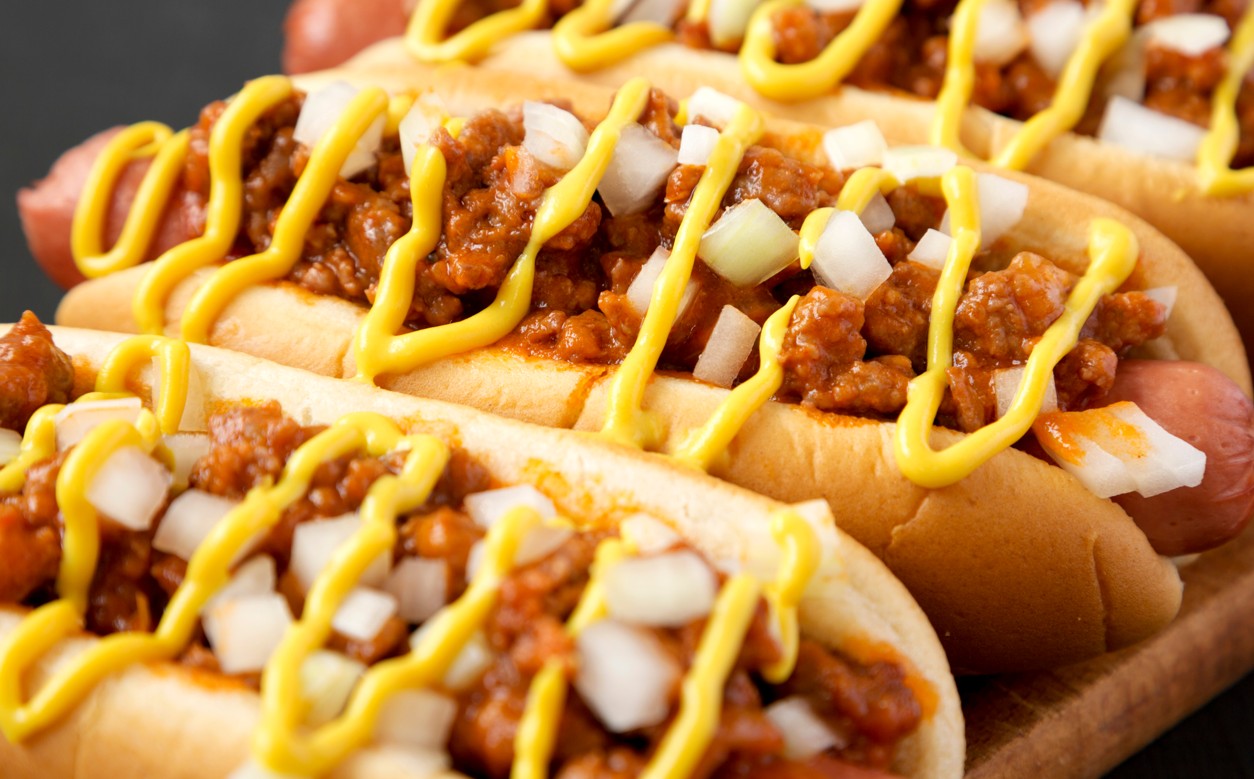
Detroit is world-famous for its Coney Island hot dogs—steamed natural-casing franks topped with spiced meat chili, yellow mustard, and diced onions. The rivalry between downtown institutions has defined the city’s fast-food identity for more than a century, making Coneys a cultural institution as much as a meal.
Detroit-style pizza is another global export: a thick, rectangular pie with a light, airy crumb, crisp caramelized cheese edges, and tomato sauce ladled on top. Originally baked in blue steel pans from the auto industry, it is now one of America’s most influential regional pizza styles.
The city’s Polish heritage shines through in pączki, rich filled doughnuts consumed enthusiastically on Fat Tuesday. The Polish Boy sandwich—deep-fried kielbasa topped with fries, coleslaw, and barbecue sauce—reflects Detroit’s love of maximalist comfort food. Vernors ginger ale, created in Detroit in 1866, remains a beloved local soda, while Better Made potato chips and Faygo pop are hometown snack staples.
Everyday Detroit & Michigan Food
Detroit’s everyday food culture is shaped by its historic 24-hour work cycles and strong neighborhood traditions. Breakfast might include diner classics, pączki from a Polish bakery, or even Coney dogs for early-shift workers. Lunch often features shawarma plates, square pizza by the slice, or sandwiches from longstanding delis.
Dinner spans everything from soul food to modern American cuisine. Great Lakes freshwater fish—especially perch and walleye—appear fried, grilled, or in sandwiches. Seasonal Michigan cherries and apples feature prominently in desserts, sauces, and beverages. Soul food traditions—fried chicken, collard greens, cornbread, and mac and cheese—are deeply embedded in the city’s culinary identity.
Detroit’s Middle Eastern population, one of the largest in North America, makes shawarma, falafel, hummus, and baklava everyday foods rather than specialties. The city’s food scene blends iconic institutions with new, chef-driven restaurants, reflecting both continuity and change.
Cultural Fusion: Immigrant, Soul Food & Industrial Influences
Detroit’s cuisine is a mosaic created by generations of migration and labor. Indigenous peoples relied on corn, beans, squash, and freshwater fish. French settlers established early agriculture and trade. Industrial expansion in the late 19th and early 20th centuries brought Polish, German, Italian, Greek, Jewish, and Middle Eastern communities, each contributing bakeries, sausage shops, and neighborhood restaurants.
The Great Migration brought African Americans from the American South, establishing Detroit as a major center of soul food and Black culinary innovation. The auto industry attracted workers from across the U.S. and the world, further diversifying the food landscape. More recent arrivals from Mexico, Yemen, Bangladesh, and Southeast Asia continue to shape the city’s evolving cuisine.
This layered history creates a uniquely Detroit food experience: Greek-influenced Coney dogs, Polish pastries, Middle Eastern grills, Southern comfort food, and modern farm-driven cuisine—all coexisting within a city built on manufacturing and reinvention.
Craft Beverage Scene and Local Producers
Detroit’s craft beverage scene has flourished alongside its broader urban revival. Breweries produce a wide range of styles, from classic lagers to experimental ales, often housed in restored factories and warehouses that echo the city’s industrial past.
Vernors remains the iconic local soda, while Faygo holds a special place in Detroit’s musical and cultural identity. Michigan wines—particularly from the Traverse City region—appear frequently on wine lists, and craft cider made from Michigan apples is increasingly popular. Coffee culture is strong, with independent roasters and cafés anchoring revitalized neighborhoods.
Detroit’s bars and cocktail lounges often occupy dramatic industrial spaces, creating an atmosphere that blends historic grit with contemporary design.
International Dining and Contemporary Scene
Detroit is one of the most internationally rich food cities in the United States. The Arab-American community in nearby Dearborn offers some of the finest Middle Eastern food outside the Middle East itself. Southwest Detroit’s Mexican cuisine is authentic, diverse, and nationally respected.
Polish, Greek, Italian, Balkan, and Jewish food traditions remain visible, while modern American restaurants in Midtown, Corktown, and downtown reinterpret Detroit classics using contemporary techniques and Michigan ingredients. Urban farming initiatives supply hyper-local produce, reinforcing the city’s connection to land and sustainability.
Food halls and markets showcase both legacy vendors and new culinary entrepreneurs. Despite its sophistication, Detroit dining remains unpretentious—focused on flavor, value, and authenticity rather than trend chasing.
Food Customs and Practical Tips
Dining in Detroit ranges from legendary 24-hour diners to refined tasting-menu restaurants, with a welcoming, no-nonsense atmosphere throughout. Tipping (18–20%) is standard. Reservations are recommended for popular spots in Midtown and Corktown on weekends.
When trying Coney dogs, sample both classic styles to join the city’s long-running debate. Detroit-style pizza is essential—try both historic institutions and modern interpretations. Visit Eastern Market on Saturday mornings for one of the best food markets in the country.
Explore by neighborhood: Downtown for historic Coneys and upscale dining, Midtown for innovative restaurants near cultural institutions, Corktown for Detroit’s oldest neighborhood and trendy spots, Hamtramck for multicultural cooking, and Mexicantown for outstanding Mexican food. Portions are generous, prices are fair, and hospitality is genuine.
This guide covers what to eat in Detroit, from Coney dogs and Detroit-style pizza to Middle Eastern shawarma, soul food, and Michigan produce. Use it to plan your culinary exploration of a city where industrial legacy, immigrant traditions, and creative renewal come together on the plate.
Check monthly weather averages for
Latest Secret Flying deals to Detroit
Non-stop from Detroit to Fort Lauderdale (& vice versa) for only $177 roundtrip
Non-stop flights from Detroit to Fort Lauderdale for only $177 roundtrip with JetBlue. Also works in reverse.
View DealSUMMER: Non-stop from Atlanta to Detroit (& vice versa) for only $119 roundtrip
Non-stop, summer flights from Atlanta to Detroit for only $119 roundtrip with Delta Air Lines. Also works in reverse.
View DealNon-stop from Detroit to Seattle (& vice versa) for only $166 roundtrip
Non-stop flights from Detroit to Seattle for only $166 roundtrip with Alaska Airlines. Also works in reverse.
View Deal [adblockingdetector id="638efa67113bf"]