


Dhaka Food Guide
Food in Dhaka: What to Eat & Drink
The culinary landscape of is an intense, aromatic expression of Bengali tradition, Mughal refinement, and river-delta abundance, making it one of South Asia’s most flavour-driven and distinctive food capitals. As the megacity capital of Bangladesh and one of the world’s most densely populated urban centres, Dhaka has developed a food culture that balances intricate home cooking with vibrant, democratic street food, all rooted in the extraordinary fertility of the Ganges–Brahmaputra delta.
Shaped by centuries of Mughal rule, British colonial administration, and its role as the cultural heart of Bengal, Dhaka’s cuisine is defined by bold flavours, layered spices, and an intimate relationship with water and land. Fish, rice, mustard, and lentils dominate, producing food that is fragrant, spicy, soulful, and deeply tied to identity and place.
Local Specialities of Dhaka
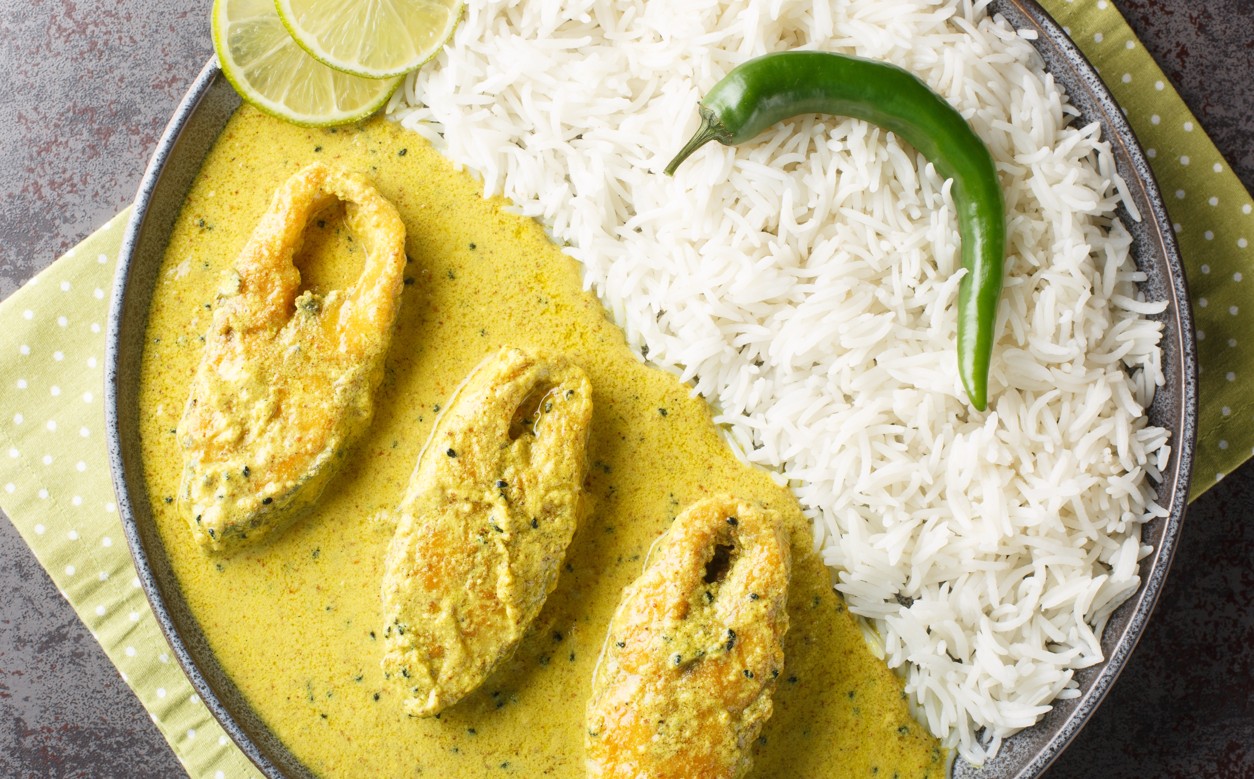
Dhaka is inseparable from hilsa (ilish), Bangladesh’s national fish and the crown jewel of Bengali cuisine. Signature preparations include ilish bhapa (steamed hilsa with mustard paste) and ilish paturi (hilsa wrapped in banana leaf with mustard and spices). Seasonal hilsa, especially during monsoon months, is considered one of South Asia’s great culinary experiences.
The city’s most iconic street food is fuchka (locally named panipuri elsewhere), crisp hollow shells filled with spiced potato, chickpeas, tamarind, and chili water. Dhaka biryani, particularly the famed kacchi biryani, is distinct from other South Asian versions—slow-cooked with marinated mutton or beef, potatoes, aromatic rice, and a uniquely restrained but complex spice blend.
Other classics include morog polao (fragrant chicken pilaf with raisins and nuts), bhuna khichuri (rich lentil-rice comfort food often eaten during monsoon rains), chotpoti (spiced chickpea and potato street snack), and a wide array of Bengali sweets. Roshogolla, sandesh, and mishti doi (sweetened yogurt) are cultural institutions rather than desserts.
Everyday Bengali & Dhaka Food
Everyday eating in Dhaka revolves around bhat (rice), the unquestioned foundation of Bengali meals. Lunch is the primary meal, traditionally served as a bhater plate: rice accompanied by fish or meat curry, lentils, seasonal vegetables, fried items, and chutney. Dinner may mirror lunch or be slightly lighter.
Freshwater fish dominate daily cooking—Bangladesh consumes dozens of varieties sourced from rivers, ponds, and floodplains. Lentils appear in multiple forms, from simple dal to fried or mashed preparations. Vegetables follow the tropical calendar: gourds, okra, eggplant, leafy greens, and roots. Mustard oil is the defining cooking fat, giving Dhaka’s food its unmistakable pungency and aroma.
Street food is omnipresent and deeply woven into daily life, with vendors operating from early morning to late night. Tea stalls, snack carts, and small eateries serve students, workers, and families alike. Despite the city’s fast pace, home cooking remains highly valued, with spice blends often prepared fresh each day.
Historical Layers: Mughal, Colonial & Regional Influences
Dhaka’s cuisine reflects centuries of cultural layering. Indigenous Bengali cooking prioritised rice, fish, and mustard. Mughal rule introduced Persian techniques—biryani, kebabs, rich gravies, nuts, dried fruits, and refined presentation. Portuguese traders brought chilies and influenced some coastal cooking methods.
British colonial rule added tea culture, baking traditions, and European vegetables. The upheavals of Partition (1947) and independence (1971) reshaped food availability and regional migration. Today, Dhaka brings together culinary traditions from across Bangladesh, including Sylheti, Chittagonian, Barisal, and northern Bengali cuisines, all coexisting within the capital.
This creates a uniquely Dhaka dining experience where Mughal biryani, indigenous mustard fish curry, street-side snacks, and colonial-era tea culture intersect on a single table.
Beverage Culture and Local Refreshments
Tea is the lifeblood of Dhaka. Cha—strong, sweet, and milky—is served at thousands of street stalls and cafés, consumed at all hours. These cha-er dokan function as social hubs where people gather for conversation as much as refreshment.
Traditional drinks include borhani, a savory yogurt-based beverage spiced with mint and mustard, often served with biryani at celebrations. Fresh sugarcane juice, green coconut water, and lassi are popular street refreshments. Coffee culture is expanding rapidly in affluent neighbourhoods, with specialty cafés emerging.
Alcohol consumption is limited due to religious and legal restrictions and is generally confined to international hotels and licensed venues. As a result, non-alcoholic drinks play a central role in social dining.
International Dining and Contemporary Scene
As Bangladesh’s most cosmopolitan city, Dhaka offers growing international dining options. Chinese cuisine—adapted over generations to Bengali tastes—is especially popular. Thai, Japanese, Korean, Middle Eastern, and Indian restaurants cater to both expatriates and local diners.
Modern Bangladeshi restaurants are increasingly reinterpreting traditional dishes with contemporary presentation, particularly in upscale districts such as Gulshan, Banani, and Dhanmondi. Luxury hotels set the benchmark for fine dining. Despite global influences, Dhaka’s food scene remains unmistakably Bengali, with even international cuisines often adapted to local spice preferences.
Food Customs and Practical Tips
Dining in Dhaka follows Bengali and Islamic customs. Eating with the right hand is traditional, though utensils are common in urban restaurants. Washing hands before and after meals is customary. Guests are typically offered generous portions, and hospitality is sincere and warm.
Street food safety is important: choose busy vendors with high turnover, avoid uncooked items, and start mildly if you are not accustomed to spice. Fuchka from a popular stall is essential. Visiting Old Dhaka—especially areas around Chawk Bazar—is best done with a local guide due to the intensity and density of food options.
Explore by area: Old Dhaka for historic street food and Mughal dishes, Gulshan and Banani for upscale and international dining, Dhanmondi and Mirpur for everyday favourites, and university districts for budget-friendly eats. Traffic can be severe—plan dining logistics accordingly.
This guide covers what to eat in Dhaka, from hilsa fish and kacchi biryani to fuchka, chotpoti, and Bengali sweets. Use it to plan your culinary exploration of one of South Asia’s most intense, flavourful, and culturally rich capital cities.
Check monthly weather averages for
Latest Secret Flying deals to Dhaka
Toronto, Canada to Dhaka, Bangladesh for only $843 CAD roundtrip
Cheap flights from Toronto, Canada to Dhaka, Bangladesh for only $843 CAD roundtrip.
View Deal
🔥 Open-jaw from Vienna, Austria to Dhaka, Bangladesh returning from Delhi, India for only €233 roundtrip
Open-jaw flights from Vienna, Austria to Dhaka, Bangladesh returning from Delhi, India for only €233 roundtrip.
View Deal [adblockingdetector id="638efa67113bf"]