


Dominica Food Guide
Food in Dominica: What to Eat & Drink
The culinary landscape of is a vibrant expression of Creole tradition, indigenous Kalinago heritage, and the extraordinary agricultural bounty of the Caribbean’s “Nature Island.” As the most mountainous and ecologically diverse island in the Eastern Caribbean, Dominica has developed a food culture rooted in self-sufficiency, wild foraging, fresh seafood, and small-scale farming rather than mass tourism or imported luxury.
Shaped by volcanic soil, abundant rainfall, and dense rainforest, Dominican cuisine reflects a close relationship with the land and sea. The island’s food traditions draw from African, French, British, and indigenous influences, resulting in hearty one-pot dishes, bold seasoning, and a reliance on root crops, tropical fruits, and freshly caught fish. From roadside food stalls in Roseau to farm-to-table meals in the interior, Dominica offers one of the Caribbean’s most authentic and locally grounded culinary experiences.
Local Specialities of Dominica
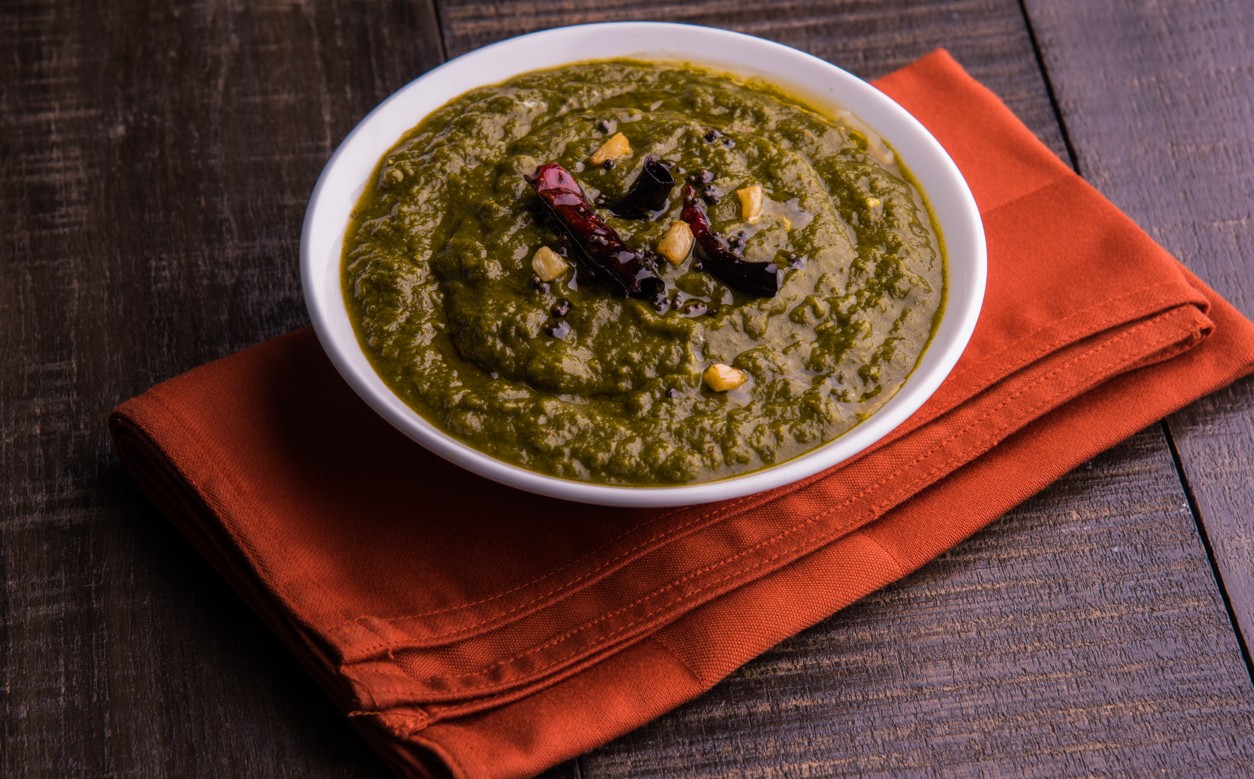
Dominica is historically celebrated for mountain chicken—the legs of the giant ditch frog—which was once the island’s national dish. Today, this delicacy is critically endangered and rarely served, but it remains an important part of Dominica’s culinary identity. The island’s most iconic everyday dish is callaloo soup, a rich, green stew made from callaloo leaves, coconut milk, okra, and often crab, salted meat, or smoked fish.
Bouyon, a hearty one-pot meal of meat, dumplings, and ground provisions (root vegetables), is a beloved weekend staple. Crab backs—seasoned land crab meat returned to the shell and baked—are a prized delicacy, especially during crab season. Traditional rural cooking may also include wild game such as manicou (opossum) and agouti, reflecting Dominica’s deep connection to hunting and foraging.
Breadfruit is a cornerstone ingredient, prepared roasted, fried, boiled, or mashed. Citrus fruits, particularly limes and grapefruits, are widely used in cooking and drinks. One of the island’s most distinctive traditions is cocoa tea—a thick, spiced hot drink made from locally grown cocoa balls, traditionally consumed at breakfast.
Everyday Dominican & Creole Food
Breakfast in Dominica often includes cocoa tea with bakes (fried dough), or fried plantains served with saltfish. Lunch is typically the main meal and may feature rice and peas with stewed chicken, fish, or meat, accompanied by provisions and salad. Dinner is often similar or lighter.
Root vegetables and starchy fruits—yam, dasheen, tannia, sweet potato, plantain, and breadfruit—are eaten daily and collectively referred to as provisions. Fresh fish such as tuna, mahi-mahi, snapper, and flying fish are common along the coast. Chicken is the most frequently eaten meat, often stewed, curried, or roasted. Beans and legumes supplement protein intake.
Tropical fruits—bananas, mangoes, pineapples, guavas, passion fruit, and soursop—are consumed fresh, juiced, or incorporated into desserts. Creole seasoning relies on fresh herbs like thyme, chives, parsley, garlic, and Scotch bonnet peppers. Most meals are still prepared at home, preserving traditional cooking techniques and family recipes.
Cultural Roots: Kalinago, African, French & British Influences
Dominica’s cuisine reflects centuries of cultural layering. Indigenous Kalinago foodways centered on cassava, sweet potato, seafood, wild game, and open-fire cooking. African influences introduced okra, callaloo, one-pot stews, and preservation methods such as salting and smoking fish.
French colonial influence contributed breadfruit, citrus cultivation, and seasoning techniques, while British rule introduced tea culture, baking traditions, and certain institutional food habits. East Indian indentured laborers added curry spices and cooking methods. Together, these influences form a cuisine that is rustic, nourishing, and deeply tied to landscape rather than colonial refinement.
Beverage Culture and Local Refreshments
Dominica’s beverage culture mirrors its agricultural abundance. Fresh fruit juices—made from soursop, passion fruit, guava, mango, and citrus—are widely available and exceptionally flavorful. Coconut water straight from the nut is a common and refreshing drink.
Cocoa tea remains the traditional morning beverage, prepared with cinnamon, nutmeg, bay leaf, and sometimes condensed milk. Herbal teas made from local plants such as lemongrass, ginger, cerasee, and bay leaf are consumed both for refreshment and medicinal purposes.
Rum is the island’s principal spirit, with local brands such as Macoucherie and Soca. Kubuli beer is the national lager, light and well-suited to the tropical climate. Mauby, a bittersweet drink made from tree bark, is traditional but acquired. Dominica’s mountain spring water is famously pure and safe to drink directly from the tap.
Contemporary Dining and Farm-to-Table Scene
Unlike many Caribbean islands, Dominica has not developed a large international resort dining scene. Restaurants focus primarily on Creole food and local ingredients, particularly in Roseau and Portsmouth. A small number of international options—Italian, Chinese, Indian—serve residents and visitors, but imports are limited and costly.
What Dominica lacks in global variety, it compensates for with authenticity. Eco-lodges and guesthouses in the interior offer farm-to-table meals using produce grown on-site or sourced from nearby farmers. A growing movement of chefs and home cooks is redefining Dominican cuisine by elevating traditional dishes while maintaining sustainability and local sourcing.
Food Customs and Practical Tips
Dining in Dominica is informal, welcoming, and community-oriented. When invited into a local home, bringing a small gift is customary. Hospitality is generous, and guests are encouraged to try everything offered. Eating with utensils is standard, though some traditional foods may be eaten by hand.
Street and roadside food is generally safe—busy vendors are a good indicator of quality. Morning vendors selling bakes and saltfish are especially popular. The Roseau Market, particularly on Saturday mornings, offers the best insight into local ingredients and food culture.
Explore different regions: Roseau for restaurants and markets, Portsmouth for seafood and river views, the Kalinago Territory for indigenous-inspired foodways, and the island interior for farm experiences. Embrace the island’s unhurried pace—meals are not rushed. Drink the tap water with confidence, experiment with unfamiliar fruits and vegetables, and enjoy the value of fresh, local food at reasonable prices.
This guide covers what to eat in Dominica, from callaloo soup and bouyon to cocoa tea and tropical fruits. Use it to plan your culinary exploration of the Caribbean’s most authentic, nature-driven island.
Check monthly weather averages for
Latest Secret Flying deals to Dominica
Atlanta to Dominica for only $242 roundtrip (Apr-May dates)
Cheap flights from Atlanta to Dominica for only $242 roundtrip with American Airlines.
View DealNon-stop from Miami to Dominica for only $243 roundtrip (Apr-May dates)
Non-stop flights from Miami to Dominica for only $243 roundtrip with American Airlines.
View DealHOT!! Paris, France to Martinique, returning from many Caribbean Islands from only €120 roundtrip (Sep dates)
Open-jaw flights from Paris, France to Martinique, returning from many Caribbean Islands only €120 roundtrip.
View Deal [adblockingdetector id="638efa67113bf"]