


Edinburgh Food Guide
Food in Edinburgh: What to Eat & Drink
The culinary landscape of is a dramatic blend of Scottish tradition, historic grandeur, and modern innovation, making it one of the UK’s most atmospheric and rewarding food destinations. As Scotland’s capital and a UNESCO World Heritage city, Edinburgh has developed a distinctive food culture that balances hearty Highland fare with refined contemporary cuisine, all set against a backdrop of medieval closes, Georgian elegance, and volcanic hills.
The city’s cuisine reflects its past as a royal capital and Enlightenment centre, its literary and festival traditions, and its modern identity as a university city and cultural hub. The result is food that feels deeply rooted in Scottish soil while confidently engaging with global influences.
Local Specialities of Edinburgh
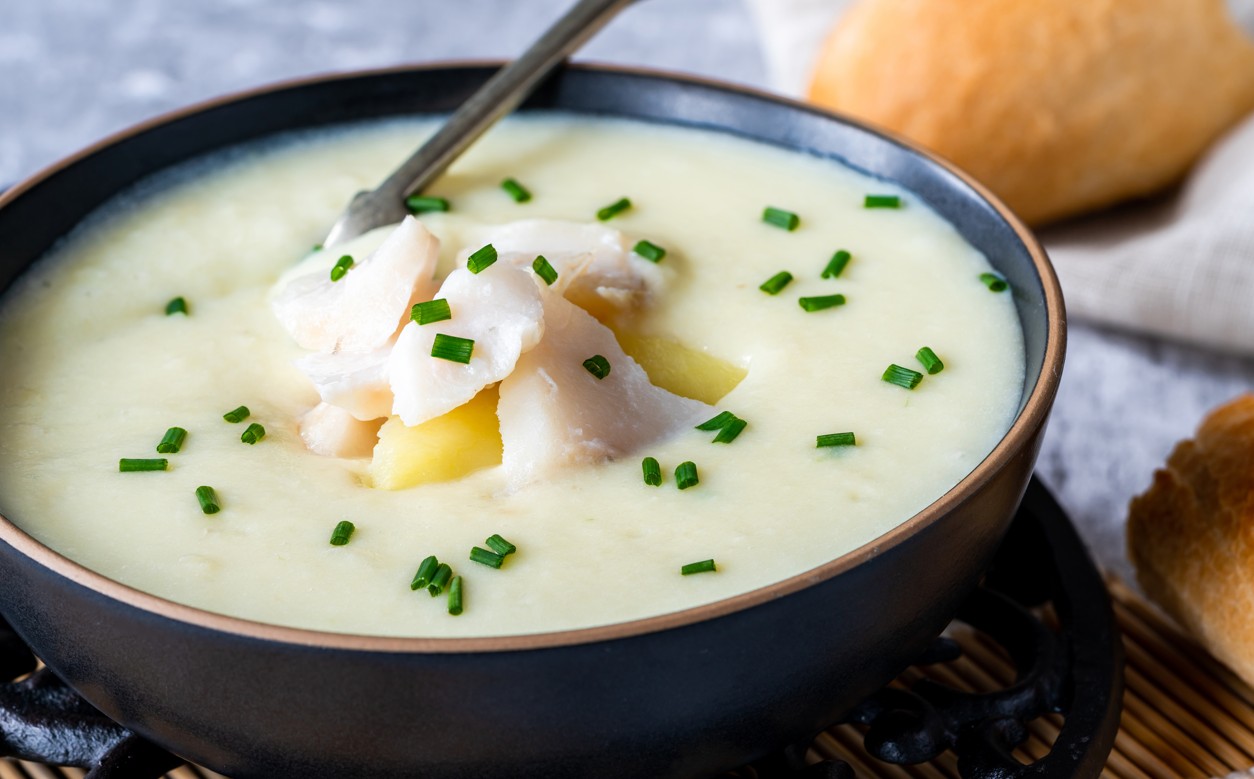
Edinburgh is celebrated for Cullen skink, a rich, creamy soup of smoked haddock, potatoes, and onions that perfectly suits the city’s cool climate. The city’s most famous dish, haggis—minced sheep’s offal with oats and spices traditionally cooked in a sheep’s stomach—is typically served with neeps and tatties (mashed turnips and potatoes), especially on Burns Night (25 January).
Stornoway black pudding, widely regarded as Scotland’s finest, features prominently in breakfasts and modern Scottish cooking. Cranachan, a classic dessert of whipped cream, toasted oats, raspberries, honey, and whisky, showcases Scotland’s best produce. Arbroath smokies (hot-smoked haddock) appear in salads, omelettes, and chowders, while Scottish salmon—both fresh and smoked—is world-class.
Shortbread, buttery and crumbly, is the quintessential Scottish biscuit. Edinburgh rock, a pastel-coloured brittle sweet, remains a traditional souvenir. Edinburgh is also a centre of Scotland’s gin revival, led by distilleries such as Pickering’s and Edinburgh Gin. Irn-Bru, Scotland’s bright orange soft drink, famously outsells cola locally and is considered the country’s “other national drink.”
Everyday Scottish & Edinburgh Food
Breakfast in Edinburgh might include a full Scottish breakfast—similar to its English counterpart but often featuring haggis, black pudding, and tattie scones—porridge served with salt or honey, or smoked salmon with scrambled eggs. Lunch commonly consists of soup-and-sandwich combinations, pies, or pub classics, while dinner ranges from traditional Scottish dishes to international cuisine.
Oats are fundamental, appearing as porridge, oatcakes, and in stuffings and coatings. Grass-fed Scottish beef and lamb are high-quality staples. Seafood—salmon, mussels, oysters, scallops, haddock—is fresh and abundant, while root vegetables such as neeps, tatties, and carrots underpin traditional cooking.
Modern Scottish cuisine in Edinburgh reimagines traditional ingredients with contemporary techniques and global influences. Historic pubs remain central to daily life and often serve excellent food. The city’s coffee culture is outstanding, with specialty cafés rivaling those of major European cities. Festival season, particularly August, transforms dining with pop-ups and extended hours, while the student population sustains a vibrant and affordable food scene year-round.
Historical Layers: Gaelic, French, British & Global Influences
Edinburgh’s cuisine is a palimpsest shaped by centuries of change. Early Gaelic foodways emphasised oats, barley, dairy, and simple preparations. French influences from the Auld Alliance introduced sauces, pastries, and refinement. Union with England in 1707 brought new baking traditions and ingredients, sometimes at the expense of indigenous Scottish food culture.
The Scottish Enlightenment and Victorian era established Edinburgh as an intellectual and medical centre, influencing dining habits and refinement. Industrialisation, two World Wars, and rationing reshaped everyday eating. The late 20th century saw a decline in confidence in Scottish cuisine.
In recent decades, however, Edinburgh has experienced a dramatic culinary renaissance, reconnecting with Scottish ingredients while embracing modern and global techniques. Today, you might enjoy medieval-inspired porridge, French-influenced sauces, Victorian baking traditions, and contemporary tasting menus—often accompanied by Scotch whisky that tells Scotland’s story in a single glass.
Craft Beverage Scene and Liquid Heritage
Edinburgh’s beverage culture is anchored by Scotland’s legendary whisky tradition while embracing modern innovation. Scotch whisky, particularly single malts, is central to the city’s identity. Visitors can explore the Scotch Whisky Experience on the Royal Mile or sample extensive selections in traditional pubs and specialist bars.
The city’s gin scene is exceptional, with multiple distilleries and gin-focused bars. Craft beer has flourished, with local breweries producing ales, stouts, and experimental styles, while Scottish craft cider is gaining popularity. Irn-Bru remains the iconic soft drink, and Scottish mineral waters are widely enjoyed.
Edinburgh’s cocktail scene is increasingly sophisticated, often using Scottish spirits and botanicals. What truly distinguishes the city is its whisky culture—ranging from historic pubs with hundreds of malts to modern bars crafting innovative whisky cocktails that respect tradition.
International Dining and Contemporary Scene
As Scotland’s cosmopolitan capital, Edinburgh offers impressive international dining diversity. Indian cuisine is particularly strong, reflecting historic ties and modern migration, while Italian food is deeply embedded in the city’s dining culture.
French, Spanish, and Mediterranean influences are prominent, alongside well-represented East Asian cuisines including Chinese, Thai, Japanese, and Korean. Middle Eastern, Mexican, and American options are widely available.
Modern Scottish restaurants are leading a national culinary revival, reinterpreting local ingredients with contemporary techniques and artistic presentation. Farmers’ markets, particularly in Stockbridge and Castle Terrace, highlight local producers. Despite its international reach, Edinburgh’s food scene remains distinctly Scottish—ingredient-driven, quietly confident, and respectful of tradition.
Food Customs and Practical Tips
Dining in Edinburgh ranges from casual pubs to Michelin-starred restaurants, with more formal service common in upscale establishments. Tipping of around 10–12% is customary for good service. Reservations are strongly recommended, especially during festival season and weekends.
Approach haggis with an open mind—it is far more delicious than its description suggests. Don’t focus solely on whisky; Edinburgh’s gin and craft beer scenes are equally strong. Take advantage of pre-theatre menus, which offer excellent value at many top restaurants.
Explore different areas: the Royal Mile and Old Town for historic atmosphere, the New Town for elegant dining, Stockbridge for independent food shops and cafés, Leith for seafood and cutting-edge restaurants, and Bruntsfield or Marchmont for local and student-friendly spots.
This guide covers what to eat in Edinburgh, from Cullen skink and haggis to modern Scottish cuisine and exceptional seafood. Use it to plan your culinary exploration of Scotland’s majestic capital, where history and innovation meet at every meal.
Check monthly weather averages for
Latest Secret Flying deals to Edinburgh
Non-stop from Canadian cities to Europe from only $247 CAD one-way
Non-stop flights from Canadian cities to Europe from only $247 CAD one-way.
View DealTunis, Tunisia to Edinburgh, Scotland for only $243 USD roundtrip
Cheap flights from Tunis, Tunisia to Edinburgh, Scotland for only $243 USD roundtrip with Air France.
View DealNon-stop from Calgary, Canada to European cities from only $547 CAD roundtrip
Non-stop flights from Calgary, Canada to European cities from only $547 CAD roundtrip.
View Deal [adblockingdetector id="638efa67113bf"]