


Florence Food Guide
Food in Florence: What to Eat & Drink
The culinary landscape of is a magnificent expression of Tuscan tradition, Renaissance heritage, and uncompromising ingredient quality, making it one of Italy’s most revered and influential food cities. As the historic heart of Tuscany and cradle of the Renaissance, Florence has developed a food culture rooted in rustic simplicity elevated by centuries of refinement.
Florentine cuisine reflects the city’s past as a medieval republic, banking powerhouse, and artistic capital, as well as its enduring relationship with the surrounding countryside of vineyards, olive groves, and hill farms. The result is food that is robust, honest, and deeply connected to the Tuscan concept of terroir, where ingredients matter more than technique and restraint is considered a virtue.
Local Specialities of Florence
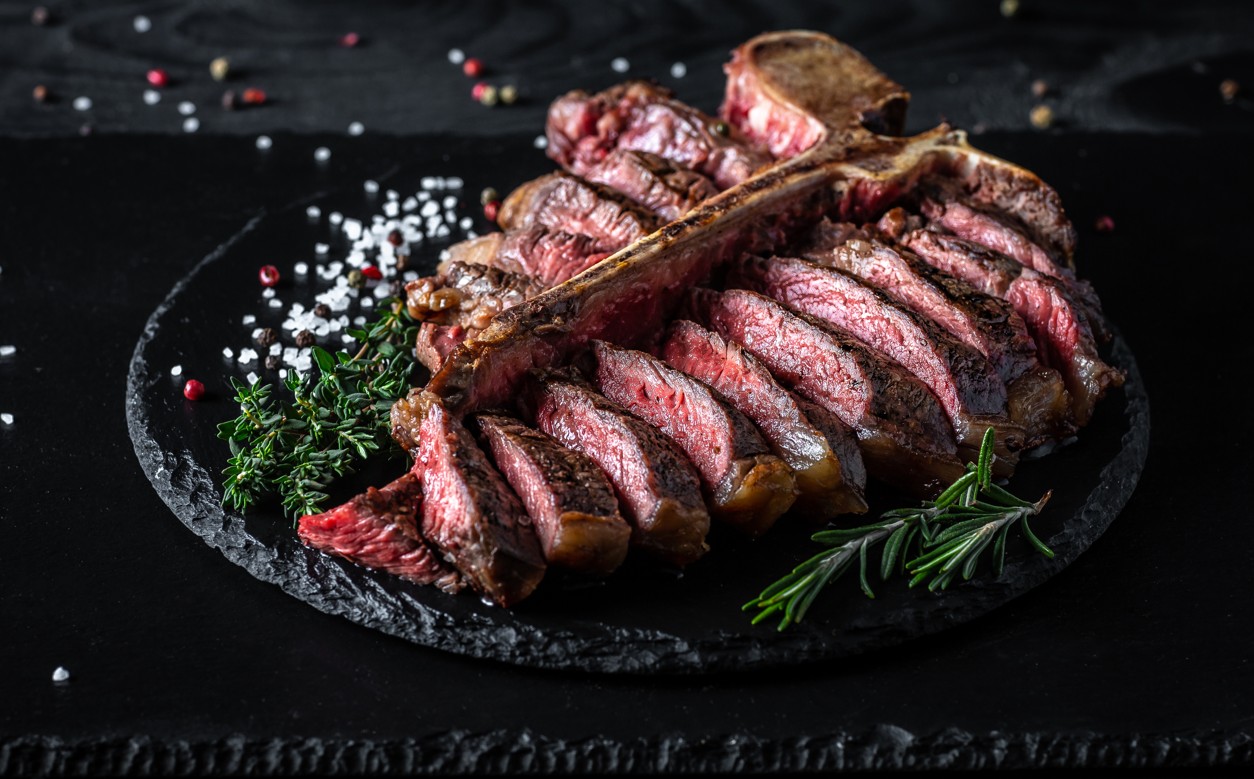
Florence is world-famous for bistecca alla Fiorentina, a monumental T-bone steak cut from Chianina cattle, grilled rare over wood or charcoal and seasoned only with salt, pepper, and olive oil. Served thick, bloody, and meant for sharing, it is the ultimate expression of Tuscan respect for beef and simplicity.
The city’s signature pasta dish, pappardelle al cinghiale, features wide ribbon pasta coated in a slow-cooked wild boar ragù, reflecting Tuscany’s hunting traditions. Ribollita, a thick soup of bread, beans, and vegetables—especially cavolo nero (Tuscan black kale)—embodies cucina povera, transforming humble ingredients into something deeply nourishing.
Panzanella, a salad of soaked stale bread, tomatoes, onions, basil, and olive oil, demonstrates Florentine ingenuity with leftovers. Crostini di fegatini (chicken liver pâté on toast) is a classic antipasto. Lampredotto, a tripe sandwich from the cow’s fourth stomach, is Florence’s beloved street food. Desserts include cantucci con Vin Santo, almond biscuits dipped in sweet dessert wine, and schiacciata alla Fiorentina, an orange-scented sponge cake traditionally eaten during Carnival. Local specialties such as pecorino di Pienza and finocchiona fennel salami complete the Tuscan table.
Everyday Tuscan & Florentine Food
Breakfast in Florence is light and ritualistic: cappuccino and cornetto consumed standing at a café bar. Lunch is traditionally the main meal, often beginning with a primo of pasta or soup followed by a secondo of meat or vegetables. Dinner may be similar but is often simpler. Unsalted Tuscan bread (pane toscano) accompanies every meal, not to be eaten alone but used to soak up sauces and soups.
Beans—especially cannellini—appear constantly in soups, salads, and side dishes. Extra virgin olive oil is both cooking medium and finishing ingredient. Vegetables follow strict seasonality: artichokes in spring, tomatoes and zucchini in summer, mushrooms and truffles in autumn, hearty greens in winter. Beef is the prized protein, though pork, game, and poultry are common. Florentine cooking is inherently frugal: stale bread becomes ribollita or panzanella, offal becomes street food, and nothing is wasted. Quality ingredients, treated simply, define everyday eating.
Historical Layers: Etruscan, Medieval & Renaissance Influences
Florentine cuisine is a historical palimpsest shaped by centuries of continuity. Etruscan civilization laid the foundations with grains, beans, olives, and wine. Medieval Florence reinforced the philosophy of cucina povera, developing bread-based soups and preservation techniques to stretch limited resources.
The Renaissance brought wealth, trade spices, and elaborate banquets among the elite, though peasant cooking remained the backbone of daily life. Italian unification in the 19th century helped codify regional cuisines, while post-war modernization threatened traditions before inspiring renewed pride in local foodways through movements like Slow Food. Today, Florentine cuisine blends Etruscan agriculture, medieval frugality, Renaissance refinement, and modern respect for origin and seasonality.
Wine, Coffee & Liquid Heritage
Florence’s beverage culture is inseparable from Tuscan wine. Chianti Classico, identifiable by the black rooster seal, is the iconic local red—Sangiovese-based, vibrant, and food-driven. Super Tuscans, modern wines blending Sangiovese with international grapes, represent innovation alongside tradition.
Vin Santo, made from dried grapes, is traditionally served with cantucci at the end of meals. Coffee culture follows strict rules: cappuccino only in the morning, espresso at any hour, always drunk quickly at the bar. The Negroni, invented in Florence at Caffè Giacosa, is the city’s signature cocktail. Grappa and other digestivi conclude meals. Enotecas function as social hubs, where locals gather to drink wine with simple plates and conversation.
International Dining and Contemporary Scene
While Tuscan food dominates, Florence offers international dining reflecting tourism and modern life. Japanese, Middle Eastern, and other global cuisines are present, particularly in upscale districts. However, even international restaurants often adapt to Tuscan ingredients and local expectations.
Contemporary Tuscan restaurants reinterpret classics with modern techniques, particularly in Oltrarno and San Frediano. Markets such as Mercato Centrale and Sant’Ambrogio combine traditional vendors with modern food halls. Florence’s dining identity rests on balance—historic trattorias that have operated for generations coexist with innovative newcomers, all anchored by respect for Tuscan produce.
Food Customs and Practical Tips
Meals in Florence follow the traditional Italian structure: antipasto, primo, secondo with contorno, and dolce. A cover charge (coperto) is standard. Tipping is not expected, though small change or rounding up is appreciated for good service.
Bistecca alla Fiorentina is priced by weight and intended for sharing. Do not ask for Parmesan on seafood pasta. Try lampredotto from a street cart for an authentic local experience. Avoid restaurants directly beside major landmarks—walk a few blocks for better quality and value.
Explore different neighborhoods: Oltrarno for traditional trattorias, San Lorenzo for market food, Santa Croce for historic establishments, San Frediano for contemporary dining. Eat seasonally, dine late (restaurants fill after 8:30 pm), and embrace the Florentine philosophy—simple food, exceptional ingredients, and unhurried enjoyment. Always leave room for gelato.
This guide covers what to eat in Florence, from bistecca alla Fiorentina and ribollita to lampredotto and Tuscan wines. Use it to plan your culinary exploration of Italy’s Renaissance jewel, where food is treated as both cultural heritage and everyday pleasure.
Check monthly weather averages for
Latest Secret Flying deals to Florence
Miami to Florence, Italy for only $404 roundtrip
Cheap flights from Miami to Florence, Italy for only $404 roundtrip with TAP Air Portugal.
View DealNew York to Florence, Italy for only $347 roundtrip
Cheap flights from New York to Florence, Italy for only $347 roundtrip.
View DealWestern USA to Florence, Italy from only $404 roundtrip
Cheap flights from Western USA to Florence, Italy from only $404 roundtrip with United Airlines and Lufthansa.
View Deal [adblockingdetector id="638efa67113bf"]