


Fort Lauderdale Food Guide
Food in Fort Lauderdale: What to Eat & Drink
The culinary landscape of is a vibrant fusion of Florida coastal traditions, Caribbean flavors, and cosmopolitan sophistication, making it one of South Florida’s most dynamic and fast-evolving food destinations. Known as the “Venice of America” for its extensive canal system and yacht-lined waterways, Fort Lauderdale has developed a food culture shaped by the Atlantic Ocean, tropical climate, and a lifestyle centered on the water.
The city’s cuisine reflects its evolution from spring break hotspot to refined resort destination, its role as a major cruise port, and its growing international population. Fresh seafood, tropical produce, and Latin influences dominate menus, creating food that is bright, relaxed, and perfectly adapted to life in a subtropical coastal city.
Local Specialities of Fort Lauderdale
Fort Lauderdale is celebrated for Florida stone crab claws, served chilled with mustard sauce during the regulated season (October 15–May 15). Sustainably harvested and intensely sweet, stone crab is a defining South Florida delicacy. Florida lobster (spiny lobster) is another seasonal favorite, appearing grilled, in salads, or as lobster rolls during summer months.
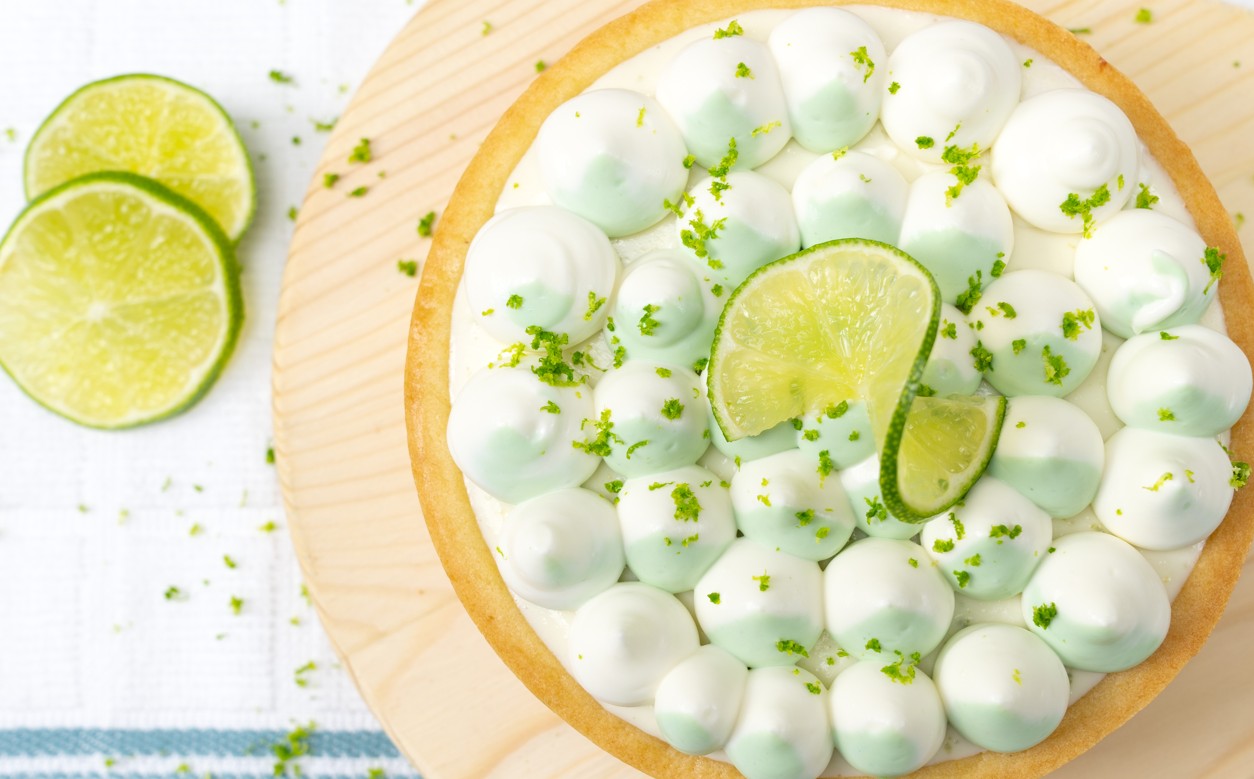
Conch fritters, a legacy of Bahamian and Caribbean influence, are a quintessential beachside snack. Key lime pie, Florida’s official state dessert, is at its best here—tart, creamy, and pale yellow on a graham cracker crust. Cuban sandwiches, layered with roast pork, ham, Swiss cheese, pickles, and mustard on Cuban bread, reflect the region’s deep Cuban heritage.
Fresh grouper—especially black grouper—appears grilled, fried, or in tacos and sandwiches. Alligator bites, made from farm-raised Florida gator, offer a uniquely local protein. Orange blossom honey from Florida citrus groves sweetens desserts and glazes, while rum-based cocktails infused with tropical fruits define the city’s relaxed drinking culture.
Everyday South Florida & Fort Lauderdale Food
Breakfast in Fort Lauderdale often features tropical fruit plates, avocado toast with citrus accents, or Cuban coffee paired with pastelitos. Lunch tends toward lighter fare—seafood salads, fish tacos, poke bowls, and Latin-inspired plates. Dinner ranges from casual beachside seafood to polished waterfront dining.
Seafood is central to daily eating: snapper, mahi-mahi, shrimp, stone crab (in season), and lobster dominate menus. Tropical fruits—mango, papaya, coconut, pineapple, and key lime—appear year-round. Latin flavors shape everyday meals, with plantains, black beans, rice, and sofrito woven throughout the city’s food culture.
Fort Lauderdale’s boating and yachting identity strongly influences dining—many restaurants feature dock-and-dine access. The city’s mix of retirees, professionals, tourists, and creatives creates a broad dining spectrum, from classic American comfort food to modern, health-forward coastal cuisine. It’s a place where barefoot beach meals and elegant waterfront dinners coexist effortlessly.
Cultural Fusion: Floridian, Caribbean, Latin & Yacht Culture Influences
Fort Lauderdale’s cuisine is shaped by layers of migration and geography. Indigenous Seminole foodways centered on seafood, corn, and native plants. Bahamian and Caribbean communities introduced conch, tropical fruits, and rum-based traditions. Cuban and Latin American immigration transformed South Florida’s food landscape with lasting influence.
The city’s spring break era popularized casual beach fare, while its rise as a global yachting hub brought wealth, international chefs, and elevated dining expectations. More recently, an influx of professionals and remote workers has fueled contemporary dining concepts. Today, Fort Lauderdale food might mean conch fritters on the sand, a Cuban sandwich in a local café, or refined Floridian cuisine overlooking a marina—all reflecting its unique coastal identity.
Craft Beverage Scene and Tropical Libations
Fort Lauderdale’s beverage culture is shaped by heat, humidity, and proximity to the Caribbean. Craft cocktails emphasize rum, fresh citrus, tropical fruits, and herbs, with mojitos and daiquiri-style drinks especially popular. The city’s craft beer scene continues to grow, with local breweries producing IPAs, lagers, and tropical-inspired beers.
Rum is the defining spirit, while crisp white wines and rosés suit the climate. Cuban coffee culture is deeply ingrained—strong, sweet cafecitos fuel mornings and social moments alike. Fresh juices, smoothies, and iced drinks are essential in the heat. The dockside bar culture is distinctive: many establishments are accessible by boat, reinforcing Fort Lauderdale’s reputation as a true waterfront drinking city.
International Dining and Contemporary Scene
As an increasingly international city, Fort Lauderdale offers impressive global dining diversity. Latin American cuisines are particularly strong, including Cuban, Colombian, Venezuelan, Peruvian, and Brazilian restaurants. Caribbean food from Jamaica, Haiti, and the Bahamas is authentic and widely available.
European options—Italian, French, Mediterranean—often feature waterfront settings. Asian cuisines such as Japanese, Thai, Vietnamese, and Chinese are well represented. Modern Floridian restaurants reinterpret local seafood and produce with contemporary techniques, especially along Las Olas Boulevard and in Flagler Village. Despite global influences, Fort Lauderdale dining retains a distinctly coastal character, with seafood and tropical notes rarely far from the menu.
Food Customs and Practical Tips
Dining in Fort Lauderdale is relaxed, even in upscale settings. Beachwear is common by day, while evenings lean casual-elegant. Tipping (18–20%) is standard. Reservations are recommended for popular waterfront restaurants, particularly during peak season (December–April).
Stone crab is served chilled—don’t expect it hot—and only during the official season. Authentic key lime pie should be pale yellow, not bright green. Look beyond beachfront strips for excellent ethnic food inland. Consider visiting during summer for fewer crowds and better value.
Explore different areas: Las Olas Boulevard for upscale dining and nightlife, Fort Lauderdale Beach for casual seafood, Flagler Village for modern and creative spots, Wilton Manors for inclusive and diverse dining, and Harbor Beach for yacht-accessible restaurants. Try both waterfront venues and neighborhood eateries. Dining here is inseparable from the setting—sunset views, canals, and ocean breezes are part of the experience.
This guide covers what to eat in Fort Lauderdale, from stone crab and key lime pie to Cuban sandwiches and modern Floridian cuisine. Use it to plan your culinary exploration of South Florida’s sun-drenched city where waterfront living and global flavors define every meal.
Check monthly weather averages for
Latest Secret Flying deals to Fort Lauderdale
Fort Lauderdale to Honolulu, Hawaii (& vice versa) for only $424 roundtrip
Cheap flights from Fort Lauderdale to Honolulu, Hawaii for only $424 roundtrip with United Airlines. Also works in reverse.
View DealNon-stop from Atlanta to Fort Lauderdale (& vice versa) for only $119 roundtrip
Non-stop flights from Atlanta to Fort Lauderdale for only $119 roundtrip with Delta Air Lines. Also works in reverse.
View DealFort Lauderdale to Portland, Oregon (& vice versa) for only $245 roundtrip
Cheap flights from Fort Lauderdale to Portland, Oregon for only $245 roundtrip with United Airlines. Also works in reverse.
View Deal [adblockingdetector id="638efa67113bf"]