


Fukuoka Food Guide
Food in Fukuoka: What to Eat & Drink
The culinary landscape of is a bold celebration of Kyushu traditions, Hakata specialties, and the city’s legendary yatai (street food stall) culture, making it one of Japan’s most beloved food destinations. As the largest city on Japan’s southernmost main island and a historic gateway to mainland Asia, Fukuoka has developed a cuisine defined by rich flavors, informal dining, and exceptional local ingredients.
Fukuoka’s food culture is shaped by its position facing Korea and China, its access to outstanding seafood from the Genkai Sea, and its reputation as the birthplace of tonkotsu ramen. The city blends deeply rooted regional dishes with a relaxed, social approach to eating, creating a dining scene that is approachable, vibrant, and intensely satisfying.
Local Specialities of Fukuoka
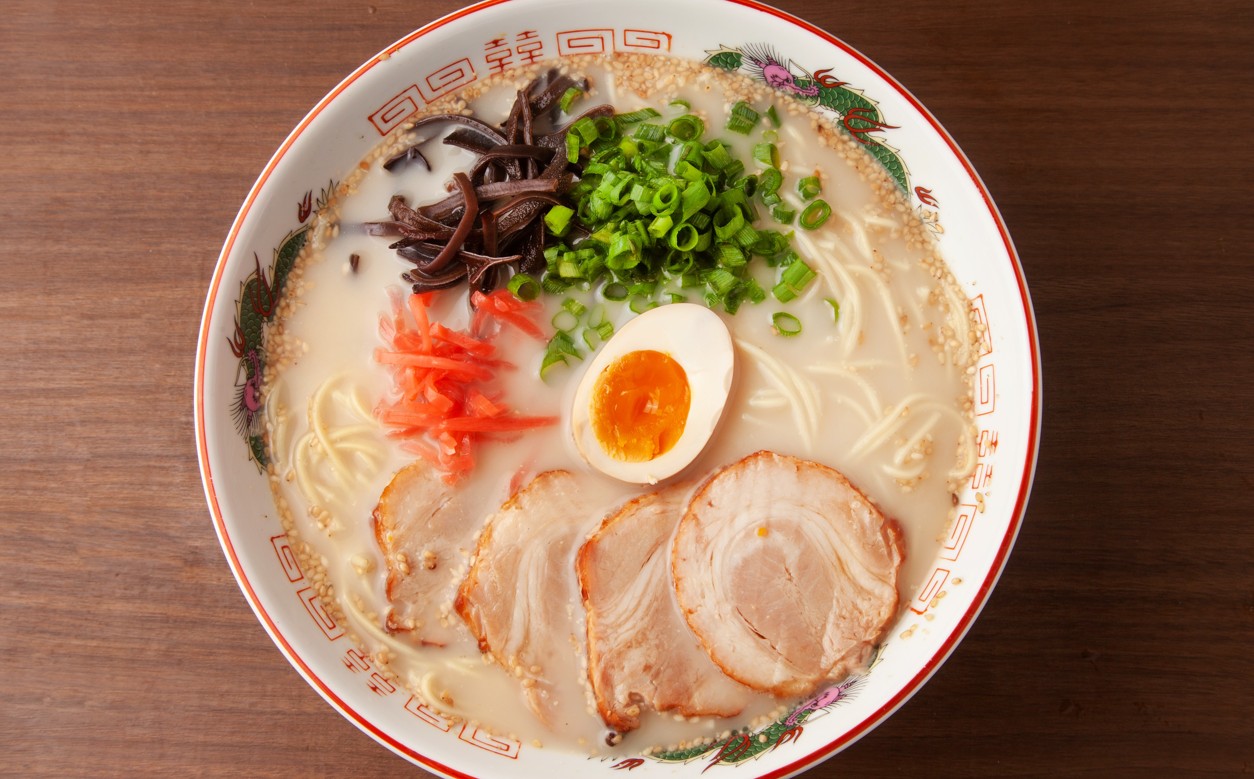
Fukuoka is world-famous for tonkotsu ramen, also known as Hakata ramen. This iconic dish features a creamy, pork-bone broth simmered for hours, thin straight noodles, and toppings such as chashu pork, green onions, pickled ginger, sesame seeds, garlic, and spicy takana. Customization is central to the experience, with diners choosing noodle firmness and broth richness.
Another defining local specialty is mentaiko, spicy marinated cod roe originally influenced by Korean cuisine and now a symbol of Fukuoka. It appears on rice, in omelets, mixed into pasta, and as a filling for onigiri. Motsunabe, a hotpot of beef or pork offal cooked with cabbage, garlic, and chives in soy or miso broth, is a beloved winter dish often enjoyed with friends.
Mizutaki, a lighter chicken hotpot emphasizing clean flavors, showcases local poultry. Hakata-style gyoza are small, thin-skinned, and pan-fried until crisp, often eaten in large quantities. Yakitori (grilled chicken skewers) is taken seriously here, with excellent balance of seasoning and texture. Seafood from the Genkai Sea—including sea bream, squid, and seasonal fish—is exceptionally fresh.
Local sweets include Hakata Torimon, a soft steamed cake filled with sweet white bean paste, and ikinari dango, dumplings made with sweet potato and bean paste. Citrus such as yuzu appears frequently in sauces, dressings, and drinks.
Everyday Hakata & Fukuoka Food
Breakfast in Fukuoka may be a traditional Japanese meal of grilled fish, rice, and miso soup, or a lighter café breakfast. Lunch is often casual and fast—ramen shops, set-meal restaurants, and bento boxes dominate. Dinner ranges from informal street food to refined multi-course dining.
Pork is central to local cuisine, particularly in ramen and hotpot dishes. Chicken from Kyushu farms is highly regarded. Seafood is consumed daily, both raw and cooked, reflecting the city’s coastal access. Seasonal vegetables such as cabbage, bamboo shoots, cucumbers, and green onions feature heavily.
Yatai culture defines everyday eating in Fukuoka. These small street stalls operate mainly in the evening, serving ramen, yakitori, oden, gyoza, and simple dishes in a communal setting. Eating out is social, unpretentious, and late-night friendly. Fukuoka’s mild climate supports year-round dining, with hearty dishes in winter and lighter fare in summer.
Cultural Fusion: Hakata Traditions, Asian Influence & Innovation
Fukuoka’s cuisine reflects centuries of cultural exchange. As Japan’s closest major city to mainland Asia, it absorbed Chinese noodle traditions, dumpling techniques, and fermentation practices early on. Korean influence is especially visible in mentaiko and spice profiles.
Portuguese traders introduced frying techniques that evolved into tempura. In the modern era, Fukuoka became a national innovator through ramen, influencing noodle culture across Japan and internationally. This creates a uniquely Fukuoka experience where Chinese-inspired noodles, Korean-influenced ingredients, and Japanese culinary precision coexist seamlessly.
The yatai tradition itself reflects this openness—outdoor, communal, informal dining that encourages conversation between locals and visitors alike.
Craft Beverage Scene and Local Libations
Fukuoka’s beverage culture balances traditional Japanese drinks with local preferences. Shochu is the spirit of choice, particularly barley shochu from Kyushu and sweet-potato shochu from nearby Kagoshima, often served with hot water or on ice.
Sake from Fukuoka Prefecture is well regarded, with clean, food-friendly styles. Beer is widely consumed, including both major Japanese brands and a growing number of craft breweries. Umeshu (plum wine) and yuzu-shu are popular aperitifs.
Green tea culture is strong, with Yame tea from southern Fukuoka considered among Japan’s finest. Coffee culture is equally developed, with traditional kissaten alongside modern specialty cafés. What truly distinguishes Fukuoka is drinking at yatai—standing or sitting shoulder-to-shoulder with strangers, enjoying grilled food with beer or shochu late into the night.
International Dining and Contemporary Scene
Fukuoka offers impressive international dining while remaining firmly rooted in local cuisine. Korean restaurants are particularly strong and authentic. Chinese dining ranges from casual noodle shops to refined regional cooking.
French, Italian, and other European cuisines are well represented, especially in central neighborhoods such as Tenjin and Daimyo. Contemporary Japanese restaurants reinterpret local ingredients with modern techniques. Despite this diversity, Fukuoka dining remains focused on regional identity—many international restaurants incorporate local products like mentaiko or Kyushu pork.
Food Customs and Practical Tips
Dining customs in Fukuoka follow Japanese norms. Tipping is not practiced. Saying “itadakimasu” before eating and “gochisōsama deshita” afterward is polite. At yatai, seating is limited and communal—expect close quarters and friendly conversation.
When eating ramen, slurping is encouraged. Many ramen shops allow customization of noodle firmness and broth strength. Visit yatai in the evening; most open around 6–7 PM and operate until late. Try mentaiko in multiple forms—it is as central to Fukuoka as ramen.
Explore different areas: Nakasu for yatai and nightlife, Tenjin for shopping and upscale dining, Daimyo for trendy cafés and bars, Hakata Station for convenience and variety, and Canal City for a concentrated food experience. Be adventurous—some of the best meals come from small, unassuming shops with minimal signage.
This guide covers what to eat in Fukuoka, from tonkotsu ramen and mentaiko to motsunabe and yatai culture. Use it to plan your culinary exploration of Japan’s ramen capital, where food is informal, deeply local, and best enjoyed after dark.
Check monthly weather averages for
Latest Secret Flying deals to Fukuoka
Toronto, Canada to Fukuoka, Japan for only $773 CAD roundtrip
Cheap flights from Toronto, Canada to Fukuoka, Japan for only $773 CAD roundtrip with United Airlines and All Nippon Airways.
View DealLondon, UK to Japanese cities from only £390 roundtrip
Cheap flights from London, UK to Japanese cities from only £390 roundtrip.
View DealBudapest, Hungary to Japanese cities from only €456 roundtrip
Cheap flights from Budapest, Hungary to Japanese cities from only €456 roundtrip.
View Deal [adblockingdetector id="638efa67113bf"]