


Guadeloupe Food Guide
Food in Guadeloupe: What to Eat & Drink
The culinary landscape of is a vibrant fusion of Creole tradition, French refinement, and tropical abundance, creating one of the Caribbean’s most distinctive and sophisticated food cultures. As an overseas department of France in the Lesser Antilles, Guadeloupe has developed a cuisine that balances African, French, Indian, and Indigenous influences with the extraordinary bounty of its volcanic soil, surrounding seas, and warm climate.
The archipelago’s food reflects its history as a colonial sugar producer, its complex cultural ties to mainland France, and its contemporary identity as a place where Caribbean rhythm meets European precision. The result is cuisine that is aromatic, layered, and deeply connected to both land and sea—at once rustic and elegant, casual and considered.
Local Specialities of Guadeloupe
Guadeloupe is best known for colombo, the archipelago’s signature dish and a defining expression of its culinary identity. Made with chicken, goat, pork, or seafood, colombo is cooked using Colombo powder—a fragrant spice blend of turmeric, coriander, cumin, fenugreek, and mustard seed that distinguishes it from Asian curries while reflecting Indian influence.
Bokit, Guadeloupe’s iconic street food, is a deep-fried bread sandwich filled with saltfish, chicken, pork, seafood, or vegetables. Crispy on the outside and soft inside, it is a beloved everyday indulgence. Accras de morue—salted cod fritters seasoned with herbs and spices—are the essential appetizer, found everywhere from beach bars to family kitchens.
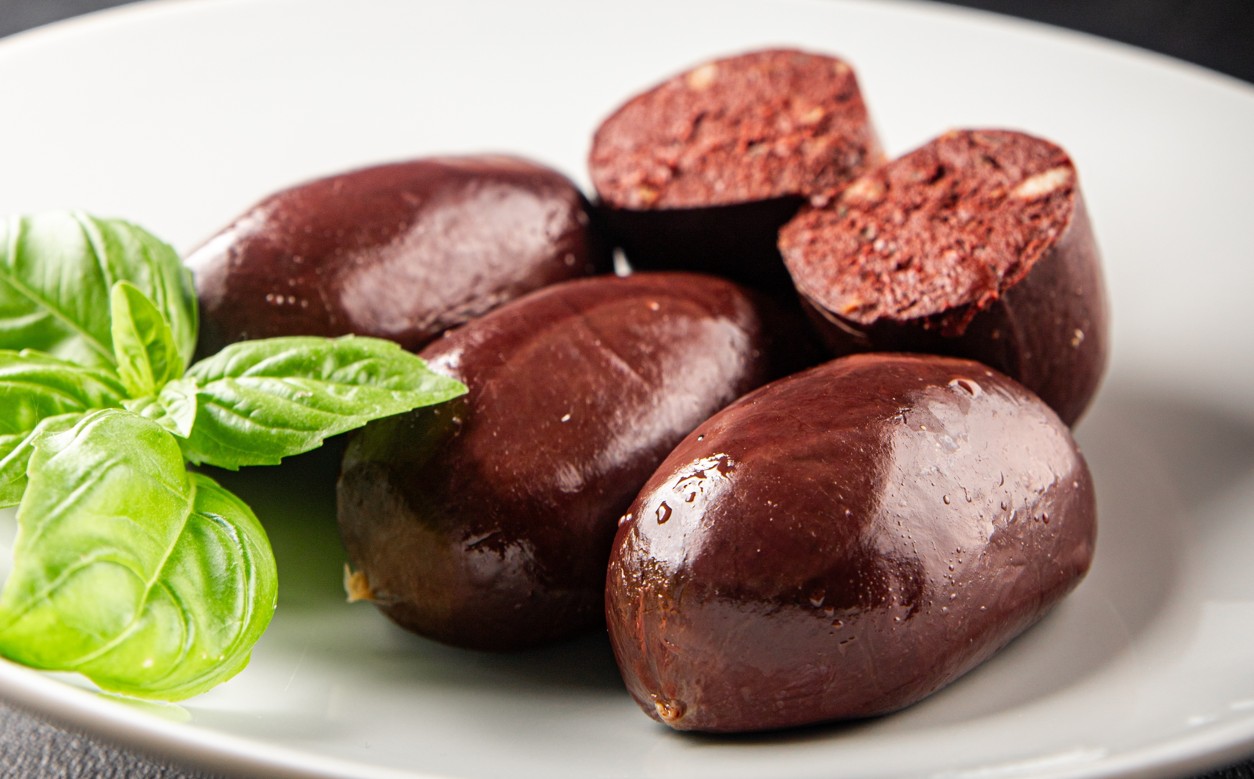
Boudin créole (spiced blood sausage) and boudin blanc (white sausage) are cherished charcuterie specialties. Court-bouillon de poisson, fish gently poached in a spicy tomato and herb broth, showcases the freshness of local seafood. Crabes farcis, land crabs stuffed with their own meat, breadcrumbs, and spices, are a traditional delicacy.
For dessert, tourment d’amour—individual coconut tarts filled with jam—originated in the Îles des Saintes and remain Guadeloupe’s most famous sweet. Fresh seafood such as lobster, octopus, conch, and reef fish is exceptional. Ti-punch, made with rum, lime, and cane syrup, is the national drink. Breadfruit, prepared boiled, fried, or mashed, is a staple starch.
Everyday Creole & Guadeloupean Food
Breakfast in Guadeloupe may include tropical fruit, French pastries, or accras with strong coffee. Lunch is typically the main meal, often featuring a generous colombo or grilled fish served with rice, beans, and plantains. Dinner can be similar or lighter, frequently based on seafood or reheated family dishes.
Root vegetables—yam, sweet potato, cassava, tannia—are everyday staples, prepared in simple, satisfying ways. Riz et pois (rice with beans) appears frequently. Fresh fish and seafood are consumed regularly, grilled, fried, or simmered in broths. Chicken and goat are common meats.
Tropical fruits—bananas, mangoes, pineapples, guava, passion fruit—are eaten fresh or blended into juices. French influence is evident in baking, butter use, cheese, and wine served alongside Creole dishes. The concept of métissage—cultural mixing—defines Guadeloupean cuisine: African techniques, French structure, Indian spices, and Indigenous ingredients combining into something entirely its own. Meals are typically unhurried, reflecting both Caribbean ease and French reverence for dining as pleasure.
Cultural Fusion: African, French, Indian & Caribbean Influences
Guadeloupe’s cuisine is a direct product of its layered colonial and migration history. Indigenous Kalinago traditions introduced cassava, seafood, and tropical crops. African influence, shaped through slavery, formed the backbone of Creole cooking, contributing techniques, seasoning styles, and communal food traditions.
French colonization brought wheat, dairy, wine, baking, and culinary structure. Indian indentured laborers introduced curry spices, which evolved locally into Colombo. Levantine traders added further nuance. The result is a uniquely Guadeloupean cuisine where African-inspired accras, French-style court-bouillon, Indian-derived colombo, and Indigenous breadfruit can appear together in a single meal. The island’s French departmental status ensures European products are readily available, creating distinctive pairings such as French wine with fiery Creole food.
Beverage Culture and Tropical Libations
Guadeloupe’s beverage culture reflects its tropical climate and French-Caribbean duality. Rum dominates—particularly rhum agricole, distilled from fresh sugarcane juice rather than molasses and regarded among the Caribbean’s finest. Aged expressions are sipped slowly, rivaling fine cognac.
Ti-punch (rum, lime, cane syrup) is the everyday drink of choice, often mixed to taste rather than measured. Planteur, a rum punch blended with tropical juices, is widely enjoyed. French wines are readily available and commonly consumed. Local beers such as Bière Lorraine are light and refreshing.
Fresh juices—sugarcane, passion fruit, guava, soursop—are outstanding, while coconut water straight from the nut is the ultimate beach refreshment. Coffee, served French-style, is strong and well made. What distinguishes Guadeloupe is the seriousness with which rum is treated—both as a casual social drink and as a refined, age-worthy spirit—combined with the ease of excellent wine even in modest eateries.
International Dining and Contemporary Scene
As a French territory with strong tourism, Guadeloupe offers notable international dining alongside traditional Creole food. French restaurants range from casual bistros to refined, high-end dining. Italian, Chinese, and Lebanese options are present, particularly in tourist areas.
Modern Creole restaurants increasingly reinterpret traditional dishes with contemporary techniques, especially in Saint-François and upscale resort areas. Still, Guadeloupe’s most memorable meals are often the simplest: freshly caught fish grilled on the beach, a colombo served at a family table, or a bokit eaten standing at a roadside snack stand.
The contrast between resort dining and local snacks (small neighborhood eateries) highlights Guadeloupe’s culinary duality—French elegance alongside Caribbean authenticity. Both are essential to understanding the island’s food culture.
Food Customs and Practical Tips
Dining in Guadeloupe ranges from ultra-casual snack bars to elegant French-Creole restaurants, with a relaxed approach to service. Meals are not rushed—“island time” applies. Tipping is not expected but appreciated for exceptional service.
Bokit is meant to be messy—embrace it. Try colombo in different forms; chicken, goat, and seafood versions each offer a distinct experience. Visit local markets (marchés) for produce, spices, and street food. Fresh seafood is best enjoyed simply prepared.
Explore different areas: Pointe-à-Pitre for markets and everyday food, Saint-François for upscale dining, Basse-Terre for traditional Creole cooking, and the Îles des Saintes for seafood and tourment d’amour. Consider visiting a rum distillery to understand rhum agricole production. Be mindful of spice levels, drink bottled water where advised, and adjust to the local pace.
This guide covers what to eat in Guadeloupe, from colombo and bokit to fresh seafood and rum culture. Use it to plan your culinary exploration of the Caribbean’s French-Creole archipelago, where spice meets sophistication and cultural blending defines every meal.
Check monthly weather averages for
Latest Secret Flying deals to Guadeloupe
Non-stop from Paris, France to Guadeloupe or Martinique from only €471 roundtrip
Non-stop flights from Paris, France to Guadeloupe or Martinique from only €471 roundtrip.
View DealBrussels, Belgium to Guadeloupe for only €499 roundtrip
Cheap flights from Brussels, Belgium to Guadeloupe for only €499 roundtrip with Air Canada.
View DealNon-stop from New York to Guadeloupe for only $297 roundtrip (Jan-Feb dates)
Non-stop flights from New York to Guadeloupe for only $297 roundtrip with JetBlue.
View Deal [adblockingdetector id="638efa67113bf"]