


Guangzhou Food Guide
Food in Guangzhou: What to Eat & Drink
The culinary landscape of is a magnificent celebration of Cantonese tradition, culinary precision, and China’s most internationally influential regional cuisine. As the capital of Guangdong Province and the historic gateway of Chinese foreign trade, Guangzhou has developed a food culture built on refinement rather than excess, where freshness, balance, and technique are valued above all else.
Often described as the spiritual home of Cantonese cooking, Guangzhou’s cuisine reflects its role as the starting point of the Maritime Silk Road, the birthplace of dim sum, and a city whose chefs believe the highest skill lies in preserving the natural flavor of ingredients. The result is food that appears deceptively simple but is grounded in deep technical mastery, seasonal awareness, and centuries of culinary philosophy.
Local Specialities of Guangzhou
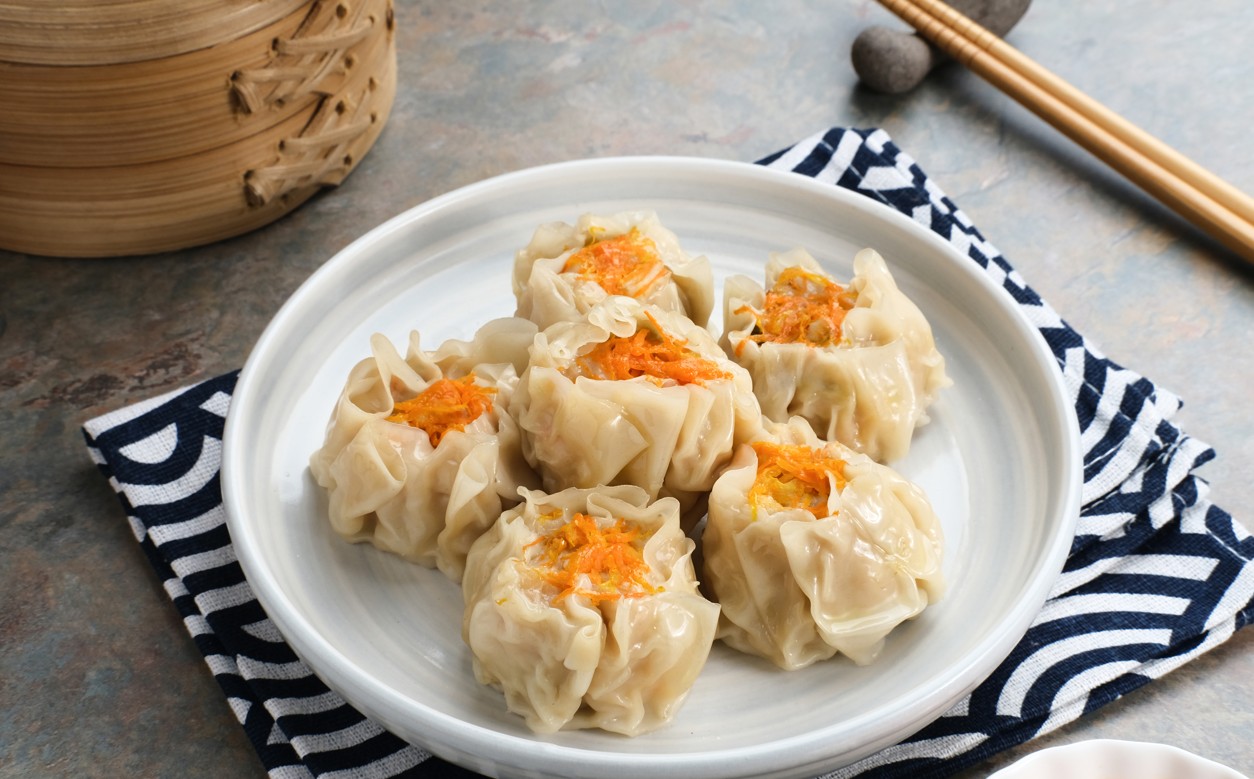
Guangzhou is world-famous for dim sum, the Cantonese tradition of small dishes served with tea. Classics include har gow (shrimp dumplings), siu mai (pork and shrimp dumplings), char siu bao (barbecue pork buns), and cheung fun (silky rice noodle rolls). Dim sum is not fast food but a social ritual, best enjoyed slowly in traditional teahouses.
The city’s defining dish is white-cut chicken (bai qie ji), a masterclass in restraint: gently poached chicken served at room temperature with ginger-scallion oil, designed to highlight the purity of the meat itself. Roast goose, particularly from historic Cantonese barbecue houses, is another Guangzhou icon, prized for its crackling skin and succulent meat.
Wonton noodles feature delicate shrimp-and-pork dumplings in a clear broth with springy egg noodles. Clay pot rice, cooked in individual earthenware pots to produce a crispy rice crust, is a beloved comfort dish, especially in cooler months. Double-skin milk (shuang pi nai), a silky milk dessert originating in Guangzhou, exemplifies Cantonese dessert subtlety.
Congee in countless variations is eaten throughout the day. Fresh seafood from the South China Sea—steamed fish, prawns, crab—is treated with minimal seasoning. Herbal soups and slow-simmered broths reflect Cantonese beliefs in food as nourishment and medicine. Hanging displays of roasted meats (siu laap) remain one of the city’s most iconic street sights.
Everyday Cantonese & Guangzhou Food
Breakfast in Guangzhou often includes congee with side dishes, youtiao (fried dough sticks), or early-morning dim sum. Lunch may be a quick noodle or rice plate, while dinner is typically the most elaborate meal, shared family-style with multiple dishes placed at the center of the table.
Rice is the staple, served at nearly every meal. Pork appears in countless preparations—roasted, barbecued, steamed, braised, or minced into dumplings. Poultry, especially chicken and duck, is central to the cuisine. Seafood is consumed frequently and prepared simply to showcase freshness.
Vegetables are lightly stir-fried, blanched, or incorporated into soups. The concept of yum cha—literally “drinking tea”—is fundamental to Cantonese life, turning meals into extended social gatherings. Night markets and street stalls add another layer, offering snacks such as grilled oysters, rice rolls, and sweet soups. Guangzhou’s subtropical climate encourages light flavors, balanced textures, and dishes aligned with traditional Chinese medicinal principles.
Cultural Fusion: Cantonese Tradition, Trade & Culinary Evolution
Guangzhou’s cuisine is a reflection of its historic role as China’s southern gateway. Indigenous Cantonese cooking emphasized freshness, gentle seasoning, and seasonal produce. Centuries of maritime trade introduced foreign ingredients, techniques, and ideas long before they reached other parts of China.
Hakka and Teochew communities added their own culinary influences, while European contact subtly shaped bakery techniques and barbecue styles. Modern innovation—especially within dim sum and banquet cuisine—continues to evolve tradition without abandoning it. This creates a uniquely Guangzhou dining experience where ancient recipes coexist with refined modern interpretations.
Unlike regions that prioritize bold spice or heavy sauces, Cantonese cooking pursues harmony and clarity. The city’s culinary confidence is unmistakable—Guangzhou is where Chinese cuisine reached its most polished and globally influential form.
Beverage Culture and Traditional Libations
Tea lies at the heart of Guangzhou’s dining culture. Varieties such as pu’er, tieguanyin, chrysanthemum, jasmine, and oolong are carefully paired with food during yum cha, each chosen for its flavor profile and digestive qualities.
Herbal teas and cooling drinks (liang cha) follow traditional medicinal principles, particularly in hot weather. Baijiu is consumed at banquets and celebrations. Local Zhujiang Beer is widely popular, while wine and Western spirits are increasingly common. Fresh sugarcane juice and fruit juices are everyday refreshments, and coffee culture is expanding rapidly in modern districts.
What distinguishes Guangzhou is the central role of tea—not as an accompaniment, but as a defining element of the meal itself. Teahouses remain social institutions where food, conversation, and tradition converge.
International Dining and Contemporary Scene
As both a historic trading port and modern megacity, Guangzhou offers extensive international dining. French, Italian, Japanese, Korean, Thai, and Southeast Asian cuisines are widely available, often adapted subtly to local Cantonese preferences.
Modern Cantonese restaurants reinterpret classic dishes with contemporary presentation, particularly in Tianhe and Zhujiang New Town. Despite global options, Guangzhou remains profoundly Cantonese at heart—foreign cuisines often bend toward local expectations of freshness and balance. Many of the city’s most respected restaurants have been operating for generations, maintaining exacting standards that define authentic Cantonese cooking.
Food Customs and Practical Tips
Meals in Guangzhou are communal, with shared dishes placed in the center. Chopsticks are used for most foods, with spoons for soup. Tipping is not practiced.
At traditional dim sum teahouses, servers may push carts—point to what you want and your order will be stamped on a card. Taste dishes before adding sauces; Cantonese cuisine values natural flavor. Visit at different times: morning for dim sum, lunch for noodles, evening for banquets, and late night for congee.
Explore different neighborhoods: Liwan for historic teahouses, Beijing Road for street food, Tianhe and Zhujiang New Town for modern dining, and residential districts for everyday local meals. Expect queues at famous restaurants—waiting is normal. Prices range from inexpensive street food to elaborate banquet dining.
This guide covers what to eat in Guangzhou, from dim sum and white-cut chicken to roast goose, herbal soups, and tea culture. Use it to plan your culinary exploration of southern China’s gastronomic capital, where balance, craftsmanship, and respect for ingredients define one of the world’s great food traditions.
Check monthly weather averages for
Latest Secret Flying deals to Guangzhou
Non-stop from Istanbul, Turkey to Guangzhou, China for only €437 roundtrip
Non-stop flights from Istanbul, Turkey to Guangzhou, China for only €437 roundtrip.
View DealManchester, UK to Guangzhou, China for only £382 roundtrip
Cheap flights from Manchester, UK to Guangzhou, China for only £382 roundtrip.
View Deal
 [adblockingdetector id="638efa67113bf"]