


Guayaquil Food Guide
Food in Guayaquil: What to Eat & Drink
The culinary landscape of is a vibrant celebration of coastal Ecuadorian traditions, tropical abundance, and the extraordinary bounty of the Pacific Ocean. As Ecuador’s largest city and principal port, Guayaquil has developed a distinctive food culture defined by bold flavors, fresh seafood, and the everyday use of plantains, rice, and citrus. The city’s cuisine reflects its history as a major trading port and cacao exporter, its role as the gateway to the Galápagos Islands, and its contemporary identity as Ecuador’s economic engine with deep coastal pride.
Shaped by its location on the Guayas River near the Pacific coast, Guayaquil’s food blends maritime richness with ingredients from the highlands and Amazon basin. From early-morning encebollado stands to bustling cevicherías along the Malecón, the city offers one of South America’s most dynamic and accessible regional cuisines—fresh, hearty, and deeply connected to Ecuador’s diverse geography.
Local Specialities of Guayaquil
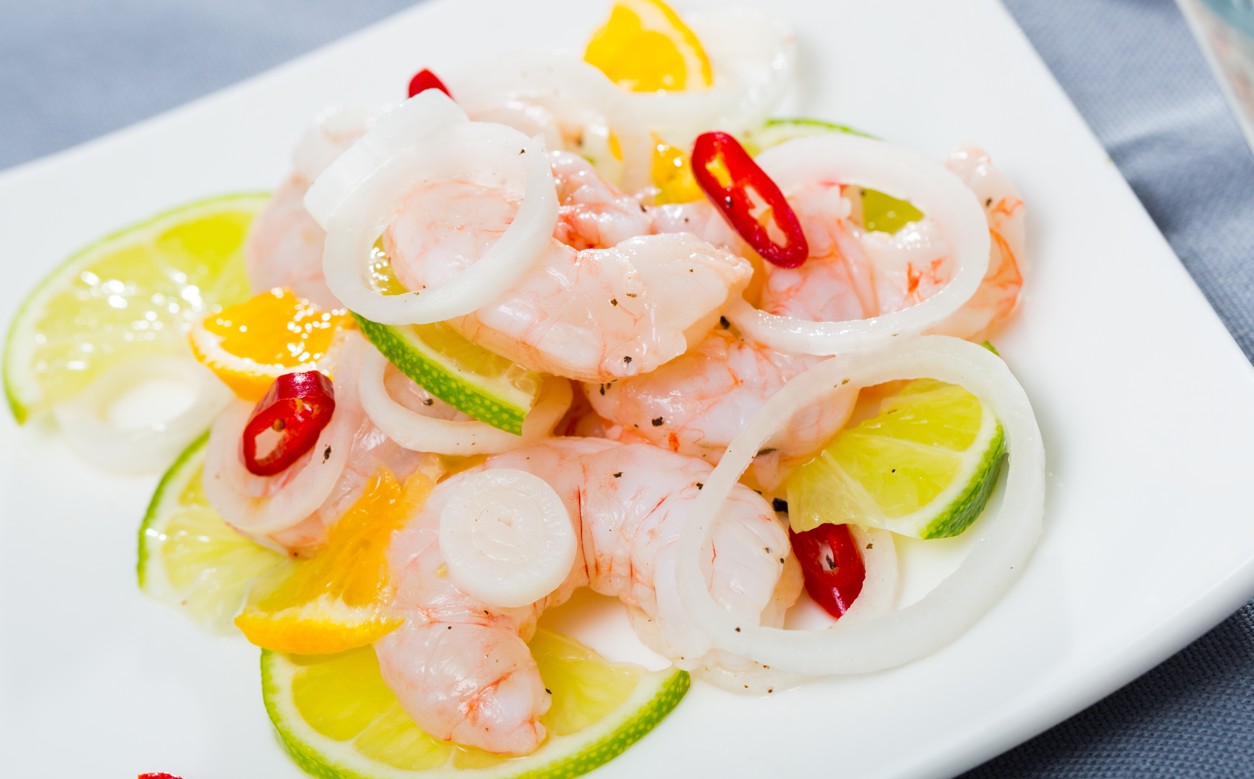
Guayaquil is best known for encebollado, widely regarded as Ecuador’s national dish and ultimate hangover cure. This robust soup combines fresh tuna, yuca (cassava), pickled red onions, cilantro, and lime, and is traditionally eaten for breakfast or lunch. The city’s signature ceviche, ceviche de camarón, features shrimp marinated in lime juice with tomatoes, onions, cilantro, and often a splash of orange juice or tomato sauce—distinctly Ecuadorian and heartier than Peruvian versions.
Cazuela, a rich baked seafood stew made with peanuts, coconut milk, and mashed plantains, represents classic coastal comfort food. Arroz con menestra y carne asada—rice with lentil stew and grilled beef—is the quintessential Guayaquil lunch plate. Breakfast favorites include bolón de verde, mashed green plantain balls stuffed with cheese or pork, and tigrillo, scrambled green plantains with eggs and cheese.
Festive dishes include seco de chivo, a goat stew cooked in beer and spices. Fresh Pacific seafood—especially corvina (sea bass), camotillo (grouper), and langostinos (prawns)—is exceptional and widely available. Traditional sweets include dulce de higos (candied figs), while chifles (fried green plantain chips) are an everyday snack served with nearly everything.
Everyday Coastal Ecuadorian & Guayaquil Food
Breakfast in Guayaquil often features bolón de verde, tigrillo, or humitas (steamed corn cakes), usually accompanied by coffee or fresh juice. Lunch is the main meal of the day and commonly includes a soup followed by rice, beans or lentils, and a protein. Dinner may mirror lunch or be lighter, depending on household routines.
Plantains are central to daily eating, used in both green (verde) and ripe (maduro) forms—fried, boiled, mashed, or baked. Rice is the primary carbohydrate, while beans and lentils appear in menestras. Seafood is consumed frequently, particularly in soups and ceviches. Beef, chicken, and goat are common meats. Tropical fruits such as mango, papaya, pineapple, guava, and passion fruit are eaten fresh or blended into juices.
Street food is an essential part of Guayaquil’s food culture, with vendors selling empanadas, grilled meats, ceviche, and coconut water throughout the city. The hot, humid climate shapes eating habits—refreshing ceviches and electrolyte-rich soups are favored for balance and nourishment.
Cultural Fusion: Coastal, Highland, Amazonian & International Influences
Guayaquil’s cuisine reflects Ecuador’s extraordinary geographical diversity. Indigenous coastal traditions centered on seafood, plantains, corn, and tropical fruits. Spanish colonization introduced rice, cattle, pork, chicken, dairy, and European cooking techniques.
African influences, brought through slavery, contributed coconut-based preparations and seasoning styles. Highland ingredients such as potatoes and grains arrived via trade routes, while Amazonian regions contributed unique fruits and herbs. As Ecuador’s main port, Guayaquil became a culinary melting pot where these influences converged. The result is a cuisine that feels unmistakably coastal yet nationally representative—Ecuador’s flavors concentrated in one city.
Beverage Culture and Local Libations
Guayaquil’s beverage culture is shaped by heat, agriculture, and abundance. Fresh fruit juices are exceptional and widely consumed, featuring fruits like naranjilla, taxo (banana passion fruit), guanábana (soursop), and maracuyá (passion fruit). Coconut water straight from the nut is a common street refreshment.
Coffee from Ecuador’s highlands is excellent but often exported; locally, simple brews and instant coffee are common. Pilsener, the national lager, is widely consumed, while aguardiente (sugarcane spirit) is traditional firewater. Colada morada, a spiced purple corn drink, appears during Day of the Dead celebrations. Horchata lojana, a herbal infusion unrelated to Mexican horchata, is popular year-round.
What distinguishes Guayaquil is its juice culture—fresh, exotic fruit juices and batidos (fruit smoothies with milk) are available everywhere, reflecting both the climate and the country’s agricultural richness.
International Dining and Contemporary Scene
As Ecuador’s economic capital, Guayaquil offers broad international dining alongside traditional cuisine. Chinese-Ecuadorian restaurants known as chifas are ubiquitous. Peruvian restaurants highlight neighboring coastal traditions, while Italian, Japanese, Middle Eastern, and American cuisines are well represented.
Modern Ecuadorian restaurants are reinterpreting classic dishes with contemporary techniques, particularly in upscale neighborhoods like Urdesa and Samborondón. Despite this diversity, Guayaquil’s dining remains overwhelmingly Ecuadorian—international cuisines are often adapted with local ingredients and coastal flavors. The city’s growing middle class and business community support a dining scene that balances tradition with modernity.
Food Customs and Practical Tips
Dining in Guayaquil ranges from ultra-casual street stalls to polished restaurants. Service is generally friendly and informal. A 10% tip is customary in restaurants. Reservations are recommended for upscale dining, especially on weekends.
Ceviche is typically served with chifles or popcorn as garnish. Trying encebollado for breakfast is essential for an authentic local experience. Visit markets such as Mercado Caraguay for fresh seafood and traditional dishes. Street food is generally safe at busy stalls with high turnover.
Explore different areas: Malecón 2000 and Puerto Santa Ana for riverside dining, Urdesa for nightlife and upscale restaurants, the city center for traditional eateries, and Samborondón for modern dining. Stay hydrated—the heat and humidity are intense. Guayaquil offers exceptional value for fresh seafood and traditional food. Most importantly, embrace the coastal mindset: food here is about freshness, generosity, and bold flavors in Ecuador’s vibrant port city.
This guide covers what to eat in Guayaquil, from encebollado and shrimp ceviche to coastal stews and tropical fruits. Use it to plan your culinary exploration of Ecuador’s bustling coastal capital where Pacific bounty defines everyday life.
Check monthly weather averages for
Latest Secret Flying deals to Guayaquil
Fort Lauderdale to Guayaquil, Ecuador for only $399 roundtrip
Cheap flights from Fort Lauderdale to Guayaquil, Ecuador for only $399 roundtrip with Avianca.
View DealBaltimore to Guayaquil, Ecuador for only $384 roundtrip
Cheap flights from Baltimore to Guayaquil, Ecuador for only $384 roundtrip with Copa Airlines.
View DealBoston to Guayaquil, Ecuador for only $397 roundtrip
Cheap flights from Boston to Guayaquil, Ecuador for only $397 roundtrip with American Airlines.
View Deal [adblockingdetector id="638efa67113bf"]