


Best Things to Do in Hobart: A Complete Guide
10 Best Things to Do in Hobart
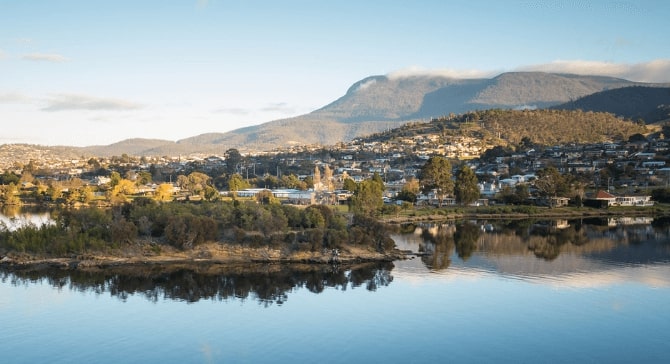
Looking for what to do in Hobart? Tasmania’s capital is a city of captivating contrasts, where harbourside charm and convict-era history meet avant-garde creativity and a wilderness that feels thrillingly close. Framed by the vast, shimmering expanse of the River Derwent on one side and the majestic, often cloud-wreathed peak of kunanyi/Mount Wellington towering above, Hobart is a compact, walkable city that masterfully blends world-class art, deep colonial heritage, and a world-renowned food and wine scene. It’s a place where you can eat freshly shucked oysters on a historic dock in the morning and be hiking through a primeval rainforest by the afternoon.
From wandering the iconic sandstone lanes of Salamanca Place and having your perceptions challenged at the mind-bending MONA to driving to the summit of a mountain for sweeping views and embarking on unforgettable day trips to Bruny Island or the hauntingly beautiful Tasman Peninsula, Hobart offers a rich, layered experience found nowhere else in Australia. It is a city inextricably linked to its wild island setting, offering a mix of creativity, history, and raw natural beauty that invites deep exploration. Here are the 10 best things to do in Hobart, crafted to help you experience the soul and substance of this remarkable southern city.
1. Visit MONA — Museum of Old and New Art
MONA is far more than Hobart’s premier attraction; it is a cultural phenomenon that has irrevocably changed the city’s identity. Conceived by Tasmanian billionaire David Walsh as a “subversive adult Disneyland,” this bold, provocative, and world-renowned museum is an architectural and artistic marvel carved into a sandstone peninsula on the Derwent River. The experience begins with the journey: a 25-minute ferry ride from Brooke Street Pier aboard MONA’s own camouflaged catamarans, complete with faux lawn, sheep, and a stylish onboard bar.
Upon arrival, you descend a spiral staircase into the cavernous, cave-like chambers of the museum itself, a subterranean world that feels both ancient and futuristic. MONA’s famously eclectic collection juxtaposes antiquities with confronting contemporary works, eschewing traditional labels for its inventive “O” device, which delivers artist interviews, poems, and essays about each piece directly to your smartphone. From James Turrell’s immersive light installations and Wim Delvoye’s intricate digestive machine (the Cloaca Professional) to a monumental waterfall that spells out ever-changing words, the museum is designed to challenge, amuse, and unsettle. Above ground, the grounds feature a winery (Moorilla), boutique brewery, luxury pavilions, and sculptural landscapes. To fully absorb its genius and idiosyncrasy, plan at least half a day, and be prepared to have your ideas about art completely upended.
2. Wander Salamanca Place and the Saturday Market
Salamanca Place is the historic and atmospheric soul of Hobart, a magnificent row of 1830s Georgian sandstone warehouses that once stored wool, grain, and whale oil for the bustling port. Today, these beautifully preserved buildings have been converted into a vibrant precinct of art galleries, designer boutiques, craft studios, bustling pubs, and some of the city’s best restaurants, all lining a broad, cobblestone square that slopes down to the waterfront. Its courtyards and terraces buzz with energy from morning coffees to late-night drinks.
The crowning glory of Salamanca is the legendary Salamanca Market, which transforms the entire precinct every Saturday. One of Australia’s best and most beloved outdoor markets, it features over 300 stalls showcasing the very best of Tasmanian creativity and produce. Here, you can taste local cheeses, leatherwood honey, and abalone pies; browse hand-blown glass, Huon pine woodwork, and woollen garments; and listen to live folk music echoing off the sandstone walls. The market is not just a shopping experience but a vibrant weekly community ritual, a must for immersing yourself in the local culture and picking up truly unique souvenirs.
3. Explore Battery Point’s Historic Streets
Just a short, picturesque walk up Kelly’s Steps from Salamanca lies Battery Point, Hobart’s most charming and beautifully preserved historic suburb. Once the home of sailors, merchants, and whalers, this village-like enclave is a labyrinth of narrow, winding lanes, impeccably maintained 19th-century cottages with colourful picket fences, secret gardens, and cozy corner pubs. The heart of the district is the utterly enchanting Arthur Circus, a circular green surrounded by a ring of tiny, storybook Georgian cottages, arguably one of the most photogenic residential scenes in all of Australia.
A leisurely stroll is the only way to explore. Wander past grand Victorian villas and humble workers’ cottages, discover local bakeries famed for their scallop pies, browse antique shops for treasures, and follow hidden staircases like the “Sailors’ Walk” that lead back down to the waterfront. Battery Point offers a peaceful, atmospheric escape where the pace slows, and you can easily imagine the Hobart of a bygone era. Don’t miss the panoramic harbour views from the elevated St. George’s Anglican Church or a refreshing pint at the historic Shipwright’s Arms Hotel, a local institution.
4. Take in the Views from kunanyi/Mount Wellington
Dominating the Hobart skyline, the 1,271-meter peak of kunanyi/Mount Wellington is the city’s ever-present natural monument, a place of dramatic dolerite cliffs, subalpine flora, and weather that can change from sunshine to freezing mist in minutes. The winding 21-kilometre drive to the summit is an adventure in itself, leading through temperate rainforest to a stark, rocky plateau. The reward is one of the most breathtaking panoramic views in Australia: a sprawling vista of Hobart, the Derwent estuary, the surrounding farmlands, and, on a crystal-clear day, the distant peaks of the Southwest Wilderness.
At the summit, the glass-enclosed Pinnacle Observation Shelter provides welcome refuge from the famously fierce winds. The mountain is a paradise for walkers, with trails for all abilities. The short Organ Pipes Walk leads to the base of the spectacular columnar dolerite formation, while more challenging hikes like the Zig Zag Track or the multi-hour ascent from the Springs offer immersive wilderness experiences. Always come prepared with warm, windproof layers, regardless of the season. Standing atop kunanyi/Mount Wellington provides a profound sense of place, connecting you viscerally to the wild, ancient landscape that defines Tasmania.
5. Tour the Tasmanian Museum and Art Gallery (TMAG)
Located in a graceful complex of heritage buildings near Constitution Dock, the Tasmanian Museum and Art Gallery (TMAG) is the perfect cultural primer for your Tasmanian journey. As the state’s leading natural and cultural heritage institution, it weaves together the island’s complex narratives—from its ancient Aboriginal history and unique wildlife to its convict past and contemporary artistic expression. The museum’s layout is engaging and accessible, making it a rewarding visit for all ages.
Highlights include the immersive Islands to Ice exhibition, which explores the Southern Ocean and Antarctica with stunning wildlife displays and historical artifacts from heroic-era expeditions. The First Peoples gallery presents a powerful and moving account of Tasmanian Aboriginal culture, history, and survival. You can also explore colonial-era artifacts, a fascinating collection of Tasmanian fauna (including the infamous thylacine, or Tasmanian tiger), and a strong array of historic and contemporary Tasmanian art. TMAG provides the essential context that enriches every subsequent experience on the island.
6. Take a Day Trip to Bruny Island
A short and scenic ferry ride from the mainland town of Kettering (about 40 minutes south of Hobart) transports you to the dual-world paradise of Bruny Island. This long, slender island is actually two landmasses—North Bruny and South Bruny—joined by a spectacular, narrow sandy isthmus known as The Neck. Climbing the wooden stairway to the Neck Lookout is non-negotiable; the 360-degree views over the turquoise waters of Adventure Bay and the vast Southern Ocean are simply magnificent, especially at sunrise or sunset when little penguins parade to their burrows below.
Bruny is a haven for foodies and nature lovers alike. Join a wilderness cruise from Adventure Bay to see towering sea cliffs, sea caves, and abundant wildlife like fur seals, dolphins, and migrating whales. Visit the Bruny Island Cheese Company, Get Shucked Oyster Farm, and the island’s berry farm and chocolate shop for a true taste of place. The island’s rugged south features remote beaches and hiking trails in South Bruny National Park. A day trip to Bruny encapsulates the Tasmanian ideal: pristine wilderness paired with exceptional local produce.
7. Discover the Tasman Peninsula and Port Arthur
Just over an hour’s drive southeast of Hobart, the Tasman Peninsula is a region of heart-stopping coastal scenery and profound historical significance. Its towering dolerite sea cliffs, carved by the relentless Southern Ocean into formations like the Tasman Arch, Devil’s Kitchen, and the Blowhole, are a geological spectacle best appreciated from the many well-maintained lookout walks.
At the peninsula’s tip lies Port Arthur Historic Site, Australia’s most intact and evocative convict settlement. More than just ruins, it is a vast, beautifully landscaped open-air museum where the stories of the 12,500 convicts who passed through its gates are powerfully told. A guided walking tour and a haunting harbour cruise around the Isle of the Dead are included in your entry and are essential to understanding the scale and severity of this penal colony. The site’s poignant beauty, with its Gothic church ruins reflected in the still waters of the bay, creates a sombre yet unforgettable experience that is crucial to understanding Australia’s colonial foundation.
8. Stroll the Hobart Waterfront and Constitution Dock
The Hobart waterfront is the city’s lively, ever-evolving front porch, a working harbour where history and contemporary life seamlessly intersect. The heart of the action is Constitution Dock, famous worldwide as the finish line for the gruelling Sydney to Hobart Yacht Race each December. Year-round, it’s filled with fishing boats, visiting yachts, and floating fish punts selling the day’s catch. The air carries the salty tang of the sea and the irresistible aroma of fish and chips.
Stroll along the wharves past the meticulously restored tall ship Lady Nelson, browse contemporary art at the Henry Jones Art Hotel, or simply find a sunny spot to watch harbour life unfold. Indulge in a waterfront feast of freshly shucked oysters, rock lobster, or Tasmania’s famed Atlantic salmon. As evening falls, the waterfront glows with golden light, the masts of boats clink in the breeze, and the atmosphere turns convivial, making it the perfect place to end your day with a local whisky or a glass of cool-climate Pinot Noir.
9. Visit Mount Field National Park for Waterfalls and Wilderness
As Tasmania’s first national park (established in 1917), Mount Field National Park showcases the incredible diversity of the island’s landscapes within easy reach of Hobart. The park’s lower section is a realm of enchantment, dominated by lush, moss-draped fern gullies and some of the state’s most beloved waterfalls. The easy, wheelchair-accessible walk to Russell Falls is a highlight for visitors of all ages, leading to a breathtaking multi-tiered cascade that plunges over sandstone steps framed by towering swamp gums and tree ferns—a scene of pristine, timeless beauty.
A slightly longer loop takes in the delicate Horseshoe Falls and the Tall Trees Walk, where you can gaze up at some of the world’s tallest flowering plants. For a more ambitious adventure, continue driving up the winding road to the alpine plateau around Lake Dobson, where boardwalk trails cross pandani groves and glacial tarns, offering a stark, beautiful contrast to the rainforest below. Mount Field provides an effortless and utterly rewarding immersion into Tasmania’s legendary wilderness.
10. Explore Hobart’s Food, Wine and Local Produce
Tasmania’s reputation as a gourmet island is proudly displayed in Hobart’s thriving culinary scene, where hyper-local, seasonal ingredients are the star. The city’s restaurants, bars, and markets are a celebration of the island’s clean air, rich soil, and cold, clean waters. Begin your edible exploration at the Farm Gate Market on Sunday mornings, where local farmers and producers sell everything from organic vegetables and artisan bread to wild mushrooms and handmade pasta.
The waterfront and surrounding streets are lined with exceptional eateries. Sample the freshest possible seafood at a dockside pub, enjoy modern Tasmanian fare in a converted warehouse, or book a table at a celebrated fine-dining restaurant. Complement your meal with beverages born of the island’s unique terroir: a sparkling wine from the Coal River Valley, a complex single malt from a local distillery like Sullivan’s Cove (named World’s Best Single Malt in 2014), or a crisp cider from the Huon Valley. In Hobart, every meal and drink is a direct connection to the land and sea, making the city a true paradise for food and wine lovers.
Check monthly weather averages for
Latest Secret Flying deals to Hobart
Manchester or London, UK to the Australian island of Tasmania from only £652 roundtrip
Cheap flights from Manchester or London, UK to Hobart, Australia from only £652 roundtrip with Virgin Australia and Singapore Airlines.
View DealHOT!! SUMMER: Many US cities to Australia from only $463 roundtrip
Super cheap summer flights from almost every major US city to Australia from only $463 roundtrip with all major carriers.
View DealSUMMER: Los Angeles to Hobart, Australia for only $503 roundtrip
Cheap summer flights from Los Angeles to Hobart, Australia for only $503 roundtrip with Virgin Australia.
View Deal [adblockingdetector id="638efa67113bf"]