


Huatulco Food Guide
Food in Huatulco: What to Eat & Drink
The culinary landscape of is a sun-drenched celebration of Oaxacan tradition, Pacific Coast seafood, and eco-conscious simplicity, making it one of Mexico’s most authentic and sustainably focused food destinations. Developed as a planned eco-tourism region on Oaxaca’s southern coast, Huatulco has cultivated a food culture that balances ancient indigenous ingredients with pristine maritime bounty, shaped by its protected bay system, Zapotec heritage, and commitment to environmental preservation.
The region’s cuisine reflects its origins as a remote fishing area, its emergence as a sustainable tourism model, and its position within Mexico’s most culturally rich state. The result is food that is vibrant, rustic, and deeply connected to both land and sea—defined by freshness, restraint, and respect for place.
Local Specialities of Huatulco
Huatulco is renowned for its exceptionally fresh seafood, particularly pescado a la talla—whole fish butterflied and grilled over a wood fire, marinated with chile-based adobo or garlic sauce. It is a quintessential beachside dish, typically prepared by fishermen or family-run palapas just steps from the water.
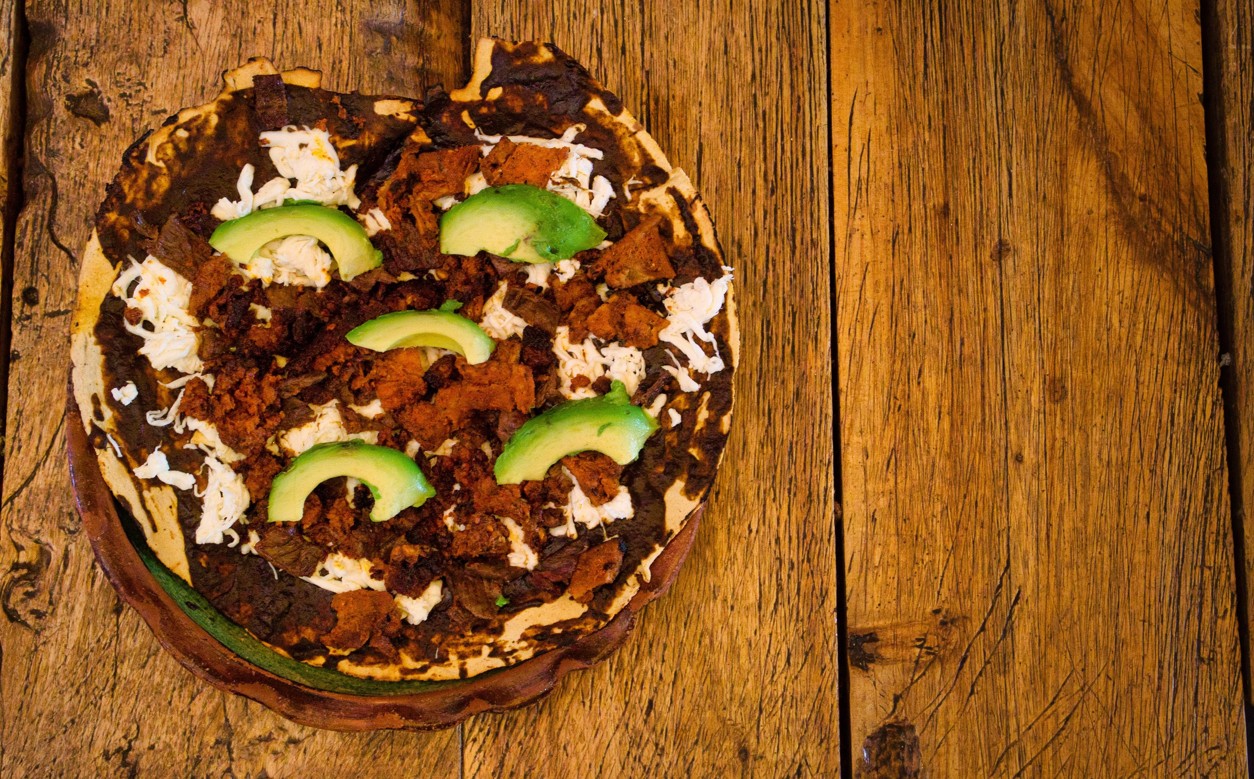
Ceviche is a daily ritual rather than a special occasion, featuring local fish or shrimp “cooked” in lime juice with tomato, onion, cilantro, and avocado, served with crisp tostadas. Oaxacan classics appear throughout the region: tlayudas (large, crispy tortillas spread with asiento, beans, cheese, and meat), coastal adaptations of Oaxaca’s legendary moles—especially mole verde with seafood—and chiles rellenos stuffed with picadillo or cheese, battered and fried for festive meals.
Traditional preparations such as barbacoa de res, slow-cooked in maguey leaves, reflect pre-Hispanic techniques still practiced today. Chapulines (toasted grasshoppers seasoned with garlic, lime, and chile) remain a prized Zapotec snack, while handmade nieves (Mexican sorbets) made from fruits like mamey, guanábana, and prickly pear provide sweet relief from the tropical heat.
Everyday Huatulco & Oaxacan Coastal Food
Breakfast in Huatulco often includes huevos rancheros, chilaquiles, or enfrijoladas, typically accompanied by fresh tropical fruit and strong Oaxacan coffee. Lunch is seafood-centric—ceviche on the beach, grilled fish fillets, shrimp cocktails, or fish tacos eaten barefoot under a palapa. Dinner ranges from casual marisquerías to traditional Oaxacan fondas serving moles, stews, and corn-based dishes.
Corn is the unquestioned foundation of daily eating, transformed into tortillas, tamales, and masa-based dishes prepared fresh each day. Pacific seafood—red snapper, mahi-mahi, tuna, octopus, and shrimp—is consumed at peak freshness, often landed the same morning. Black beans appear at nearly every meal, while chiles—from mild poblanos to fiery chiltepines—provide depth rather than overpowering heat.
Tropical fruits such as mango, papaya, coconut, pineapple, and banana are eaten fresh, blended into aguas frescas, or turned into desserts. Beachside dining is central to the Huatulco experience: simple plastic tables, ocean breezes, and food cooked with minimal intervention. The warm climate allows year-round outdoor dining and consistent access to local produce.
Cultural Fusion: Zapotec Heritage, Spanish Influence & Coastal Adaptation
Huatulco’s cuisine is rooted in Zapotec culinary traditions that long predate Spanish colonisation. Pre-Hispanic diets emphasized corn, beans, squash, chilies, and wild or foraged foods. Spanish influence introduced pork, chicken, dairy, rice, and frying techniques, which were gradually absorbed into indigenous frameworks.
The region’s relative isolation preserved traditional foodways well into the modern era. Its late-20th-century development as an eco-tourism destination brought new influences while consciously protecting local culture. This creates a distinctly Huatulco style of cooking—where ancient Zapotec ingredients, Spanish-colonial moles, and minimalist seafood preparations coexist in quiet balance. Ingredients travel minimally from source to plate, reinforcing the region’s emphasis on freshness and sustainability.
Craft Beverage Scene and Local Libations
Huatulco’s beverage culture reflects its tropical climate and deep Oaxacan identity. Mezcal is the regional spirit of choice, traditionally sipped neat to appreciate its smoky complexity and often served with orange slices and sal de gusano. The surrounding hills are home to small palenques producing artisanal mezcal using centuries-old methods.
Aguas frescas—made from hibiscus (jamaica), tamarind, or horchata—are essential daytime refreshments. Oaxacan coffee, grown in the state’s mountainous regions, is rich and aromatic. Mexican lagers such as Pacifico, Modelo, and Corona are served ice-cold with lime, while micheladas and fresh coconut water dominate beachside drinking.
What distinguishes Huatulco is its unhurried, elemental drinking culture: mezcal at sunset, coconut water straight from the shell, and simple cocktails enjoyed barefoot with ocean views.
International Dining and Contemporary Scene
While Oaxacan cuisine and seafood dominate, Huatulco offers limited international dining reflecting its tourism infrastructure and small expat community. Italian restaurants and hotel-based fusion kitchens appear in resort zones, often with ocean views.
Despite these options, Huatulco’s culinary soul remains resolutely local. The most memorable meals are typically found at family-run fondas or beach shacks where fish is grilled over wood fire and served without embellishment. The food scene prioritises authenticity over innovation, particularly in seafood, where freshness outweighs technique.
Food Customs and Practical Tips
Dining in Huatulco ranges from plastic chairs on the sand to comfortable indoor restaurants, with warm, relaxed service throughout. Tipping is customary in Mexico—10–15% is standard and may appear as propina on the bill.
When ordering seafood, ask what is freshest—“¿Qué es lo más fresco hoy?” Ceviche is best eaten earlier in the day. Mezcal should be sipped slowly, not shot. Visit markets in Santa Cruz or La Crucecita for local food stalls, produce, and traditional snacks.
Explore Santa Cruz for marina dining, La Crucecita for markets and fondas, Tangolunda Bay for upscale resort restaurants, and smaller beach communities for the most rustic experiences. Consider a boat trip that includes a seafood lunch on a secluded beach. Expect a relaxed pace—meals may take time.
This guide covers what to eat in Huatulco, from pescado a la talla and ceviche to tlayudas, mole, chapulines, and mezcal. Use it to plan your culinary exploration of Oaxaca’s pristine coast, where simplicity, freshness, and cultural continuity define every meal.
Check monthly weather averages for
Latest Secret Flying deals to Huatulco
Non-stop from Edmonton, Canada to Huatulco, Mexico for only $333 CAD roundtrip
Non-stop flights from Edmonton, Canada to Huatulco, Mexico for only $333 CAD roundtrip.
View DealNon-stop from Vancouver, Canada to Huatulco, Mexico for only $338 CAD roundtrip
Non-stop flights from Vancouver, Canada to Huatulco, Mexico for only $338 CAD roundtrip.
View DealLos Angeles to Mexican cities from only $235 roundtrip
Cheap flights from Los Angeles to Mexican cities from only $235 roundtrip with Alaska Airlines, Aeromexico and Delta Air Lines.
View Deal [adblockingdetector id="638efa67113bf"]