


Best Things to Do in Isfahan: A Complete Guide
10 Best Things to Do in Isfahan
Looking for what to do in Isfahan? Often described by the Persian proverb “Esfahān nesf-e jahān ast”—“Isfahan is half the world”—this city is Iran’s crowning jewel of art, architecture, and urban design. Once the magnificent 17th-century capital of the Safavid Empire, Isfahan remains a breathtaking living museum, a masterpiece of Persian civilization where sky-blue domes, grand boulevards, lush gardens, and majestic bridges coalesce into a vision of timeless beauty. More than a historical site, it is a city of profound romance, where the echo of footsteps in vaulted bazaars mingles with the murmur of fountains in shaded courtyards, and where the intricate dance of geometry and color on every tile facade speaks to a centuries-old pursuit of perfection. Isfahan’s unparalleled artistic heritage, poetic atmosphere, and monumental scale make it one of the most extraordinary and soul-stirring destinations not just in the Middle East, but in the entire world.
From exploring the vast, awe-inspiring plaza that forms its heart to losing yourself in the kaleidoscopic interiors of its iconic mosques, strolling across historic bridges at dusk, and savoring the flavors of classic Persian cuisine, Isfahan offers a journey through the pinnacle of Islamic art and culture. Here are the 10 best things to do in Isfahan to help you plan the perfect pilgrimage to this legendary city.
1. Explore Naqsh-e Jahan Square (Imam Square)
At the very center of Isfahan’s splendor lies Naqsh-e Jahan Square (Image of the World Square), also known as Imam Square. A UNESCO World Heritage Site and one of the largest public squares on earth, it is not merely a plaza but the breathtaking stage upon which Safavid power and Persian aesthetics were displayed. Conceived by Shah Abbas I in the early 17th century, the square is a majestic rectangle framed by two-story arcades and anchored at its cardinal points by four monumental structures: the Shah Mosque to the south, the Sheikh Lotfollah Mosque to the east, the Ali Qapu Palace to the west, and the Grand Bazaar entrance to the north.
The sheer scale and perfect proportions of the square inspire awe. Its vast expanse, punctuated by a long central pool and fountains, is a vibrant social space where locals and visitors gather to stroll, picnic, and ride in traditional horse-drawn carriages (gārivān). As the sun sets, the warm light bathes the honey-colored arcades and the brilliant tilework of the distant mosques, creating a scene of unforgettable beauty. To stand in Naqsh-e Jahan is to stand at the epicenter of Persian cultural achievement, feeling the history and artistry of an empire that saw itself as the center of the civilized world.
2. Visit the Shah Mosque (Imam Mosque)
Dominating the southern side of Naqsh-e Jahan Square, the Shah Mosque (officially the Imam Mosque) is the supreme masterpiece of Persian Islamic architecture and a testament to the visionary ambition of the Safavid era. Its grandeur is announced by a monumental, 27-meter-high entrance portal, intentionally angled to align the mosque’s prayer hall with Mecca while preserving the square’s geometric harmony. Stepping through this portal is a transcendent experience, as you leave the worldly square behind and enter a spiritual realm of breathtaking beauty.
The interior courtyard is a symphony in turquoise. Seven-color mosaic tilework (haft rangī) covers every surface in an overwhelming profusion of floral patterns, calligraphic bands, and geometric designs. The mosque’s crowning glory is its double-shelled dome, its exterior a mesmerizing pattern of arabesques that seems to change color from turquoise to cream under the shifting sun. Inside the main prayer hall beneath the dome, the acoustics are so precise that a whisper or the snap of a finger echoes perfectly across the vast space—a deliberate architectural marvel. Every inch of the Shah Mosque, from its reflecting pool to its soaring iwans (vaulted halls) and exquisite minbar (pulpit), represents the zenith of ceramic art and spiritual architecture.
3. Explore Sheikh Lotfollah Mosque
While the Shah Mosque stuns with its scale, the Sheikh Lotfollah Mosque, on the eastern side of the square, captivates with its sublime elegance and intimate perfection. Built as a private royal mosque for the women of the Shah’s court, it lacks a courtyard and minarets, focusing all its artistic genius inward. The mosque is approached through a discreet, angled corridor that builds anticipation before revealing its stunning, cream-colored dome, adorned with a delicate, lace-like pattern of arabesques that seems to float above the square.
The true magic, however, is inside. The single, domed chamber is a masterpiece of light, color, and geometry. The interior of the dome is a breathtaking sunburst of intricate, gilded arabesques radiating from a central medallion, its colors shifting from pale cream to pink and gold as daylight filters through the windows of the drum. The qibla wall is a magnificent mosaic of deep blue and gold. The atmosphere is one of hushed, radiant serenity, offering a more contemplative and artistically refined counterpart to the grand Shah Mosque. It is widely considered one of the most beautiful interiors in all of Islamic architecture.
4. Wander through the Isfahan Bazaar
Adjacent to the northern edge of Naqsh-e Jahan Square, the labyrinthine Grand Bazaar of Isfahan is a living, breathing artery of commerce and craftsmanship that has pulsed for centuries. This covered market, one of the oldest and largest in the Middle East, is a world unto itself—a seemingly endless maze of vaulted brick corridors, bustling caravanserais, and hidden courtyards. More than just a shopping destination, it is a sensory journey into the traditional heart of Persian culture.
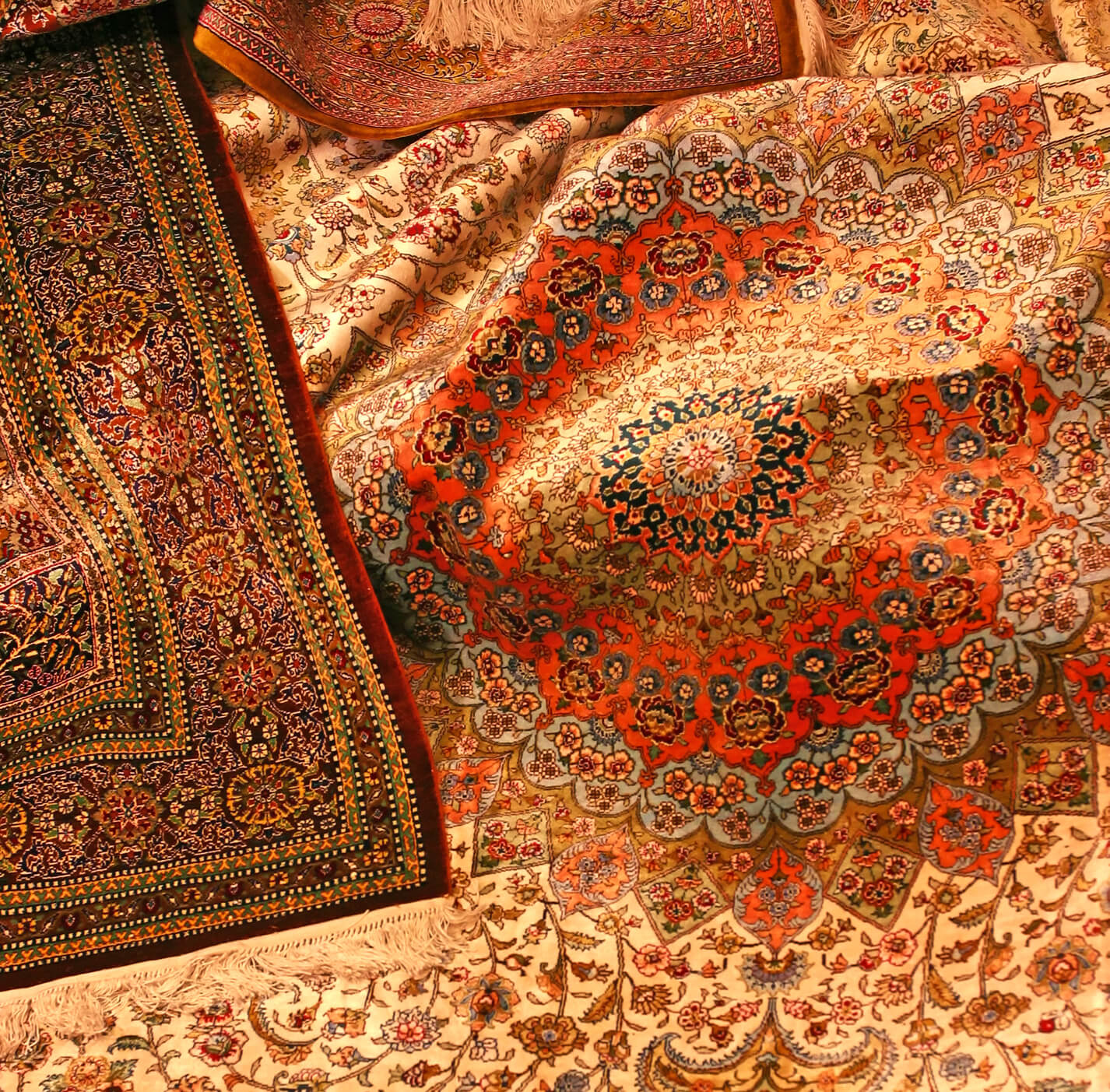
The bazaar is organized by guild, with different sections dedicated to specific crafts. You’ll pass alleys glittering with hand-beaten copper and brassware, corridors fragrant with piled spices and saffron, and shops overflowing with brilliantly patterned Persian carpets, delicate khatam-kari (marquetry) boxes, and exquisite miniature paintings. The sound of artisans at work—the tap of metalworkers, the scrape of woodcarvers—fills the air. Engage with shopkeepers, sip tea offered during negotiations, and observe masters practicing arts passed down through generations. The bazaar is not just a place to buy souvenirs; it is where Isfahan’s legendary artistic heritage continues to thrive.
5. Visit Ali Qapu Palace
Standing like a sentinel on the western side of Naqsh-e Jahan Square, the Ali Qapu Palace (Royal Gate) served as the grand ceremonial portal to the vast royal precincts that stretched behind it. This six-story palace was the seat of government and a place for the Shah to hold audience and entertain dignitaries. While its exterior, with its graceful columned terrace (tālār), is iconic, the interior holds delicate wonders.
Climbing the narrow, twisting staircase leads you to the palace’s most famous room: the Music Room on the top floor. Here, the walls and ceilings are carved into breathtakingly intricate stucco niches and muqarnas in the shapes of vases, instruments, and geometric patterns, designed not only for beauty but to perfect acoustics for royal musical performances. The panoramic view from the terrace is arguably the best in Isfahan, offering a commanding prospect over the entire expanse of Naqsh-e Jahan Square, with the two magnificent mosques framing the view—a vista that perfectly encapsulates the power and vision of Safavid urban planning.
6. Walk across the Khaju Bridge
Isfahan’s bridges are not mere crossings; they are architectural landmarks and social hubs. The Khaju Bridge, built by Shah Abbas II around 1650, is the most poetically beautiful. Functioning as both a bridge and a dam, it features two levels of arcades, with a central pavilion that once served as a tea house and royal viewing gallery. The bridge’s clever design creates a gentle cascade over its stepped lower level, a soothing sound that enhances its tranquil ambiance.
By day, it’s a picturesque structure of yellow brick and tile. As evening falls, it transforms into the soul of the city. Locals gather on the steps beneath its arches to socialize, and impromptu singing sessions often begin, with the vaulted acoustics carrying traditional Persian melodies over the softly flowing Zayandeh River. When illuminated at night, the bridge and its perfect reflection create a scene of romantic magic that captures the essence of Isfahan’s enduring charm.
7. Visit Si-o-se-pol Bridge
Upstream from Khaju Bridge stands the majestic Si-o-se-pol (The Bridge of Thirty-Three Arrows). As the longest bridge on the Zayandeh River, its sheer length and the powerful rhythm of its 33 arches create an imposing yet graceful silhouette. Built during the reign of Shah Abbas I, it served as both a vital link and a promenade. A broad, tree-lined avenue runs across its top level, making it perfect for a leisurely stroll to feel the river breeze and watch the city life on both banks.
Like Khaju, Si-o-se-pol is a bridge for all times of day. In the morning, it’s serene and majestic; in the late afternoon, the setting sun sets its brickwork ablaze in golden light; and at night, it is gracefully lit, its arches creating perfect reflections on the water’s surface. Walking its length offers a different perspective on Isfahan, connecting the historic core with other neighborhoods and providing a tangible link to the city’s ingenious civil engineering.
8. Explore Chehel Sotoun Palace
Within a peaceful garden just a short walk from Naqsh-e Jahan Square lies the elegant Chehel Sotoun Palace (Palace of Forty Columns). Built as a pleasure pavilion for royal receptions and entertainment, its name derives from the twenty slender, wooden columns of its facade, whose reflection in the long, rectangular pool in front doubles the count to forty—a classic Persian play on illusion and reality. The palace is a superb example of Safavid garden architecture, integrating built and natural beauty.
The interior is adorned with magnificent historical frescoes and paintings that depict court life, battles, and receptions for foreign ambassadors, providing a vivid narrative of Safavid power and diplomacy. The ceiling of the central hall is a dazzling display of mirror work, carved wood, and painted motifs. Wandering through its columned porticos and mirrored halls, then relaxing in its serene, symmetrical gardens, offers a glimpse into the refined leisure and artistic patronage of Persia’s golden age.
9. Relax in Hasht Behesht Palace
Nestled within the larger Bagh-e Bolbol (Nightingale Garden), the Hasht Behesht Palace (Palace of Eight Paradises) is a later Safavid masterpiece from 1669. Its name refers to the eight rooms surrounding a central, octagonal chamber—a plan symbolizing the eight levels of paradise in Islamic cosmology. Though smaller than Chehel Sotoun, it is often considered more architecturally refined, with an emphasis on lightness, ventilation, and a harmonious connection to its garden setting.
The palace’s interiors are exquisite, featuring delicate stucco reliefs, intricate mirror mosaics, painted ceilings depicting floral and bird motifs, and elegant wooden lattices. Its design allows cool breezes and the scent of the garden to flow freely through the rooms. Today, the palace and its surrounding gardens serve as a beloved public park, where families picnic, artists sketch, and visitors can sit in the shade of ancient trees, contemplating the poetic fusion of architecture and nature that defines the Persian concept of paradise on earth.
10. Enjoy Persian Cuisine in Isfahan
To experience Isfahan is also to savor its distinctive culinary heritage. The city boasts specialties you won’t find in the same way anywhere else in Iran. The most famous is Isfahan Beryani, a unique dish of finely minced lamb or mutton, flavored with saffron and other spices, layered with crispy fried bread (lavash), and served not with rice, but with a dusting of powdered sugar and cinnamon—a surprising and delicious combination.
Seek out a traditional sofreh khane (cloth-spread house) or a courtyard restaurant to enjoy other classics like Fesenjān (a rich, sweet-and-sour stew of duck or chicken with walnuts and pomegranate), Khoresh-e Mast (a savory yogurt-based stew), or various succulent kebabs. Conclude your meal with the city’s famous nougat, Gaz, made with pistachios and rosewater, and a glass of fragrant Persian tea, perhaps in a historic teahouse overlooking the Zayandeh River. Dining in Isfahan is a leisurely, sensory ritual that complements its artistic splendors, grounding the city’s grandeur in warm, tangible hospitality.
Check monthly weather averages for
Latest Secret Flying deals to Isfahan
London, UK to Iranian cities from only £147 roundtrip
Cheap flights from London, UK to Iranian cities from only £147 roundtrip.
View DealNew York to Isfahan, Iran for only $507 roundtrip (Apr dates)
Cheap flights from New York to Isfahan, Iran for only $507 roundtrip with Turkish Airlines.
View DealNew York to Isfahan, Iran for only $551 roundtrip (Apr dates)
Cheap flights from New York to Isfahan, Iran for only $551 roundtrip with Turkish Airlines.
View Deal [adblockingdetector id="638efa67113bf"]