


Jamaica Food Guide
Food in Jamaica: What to Eat & Drink
Jamaica’s culinary landscape is a vibrant celebration of Afro-Caribbean heritage, tropical abundance, and bold spice-driven cooking, making it one of the Caribbean’s most iconic and influential food destinations. As the third-largest island in the region and a cultural powerhouse, Jamaica has developed a distinctive cuisine that blends African foundations with indigenous, European, Indian, and Chinese influences. Shaped by its plantation history, the Rastafarian movement, and its global cultural impact as the birthplace of reggae and jerk cooking, the island’s food reflects both resilience and creativity. The result is cuisine that is spicy, aromatic, and infused with history, rhythm, and joy.
Core ingredients such as rice, peas, coconut, Scotch bonnet peppers, and tropical fruits form the foundation of Jamaican cooking. Dishes are defined by slow-cooking techniques, layered spice blends, and the unmistakable jerk method that has become synonymous with Jamaica around the world. The island’s tropical climate and fertile soils shape its culinary identity, allowing both mountain-grown produce and fresh seafood to thrive side by side. From roadside jerk centers in Boston Bay to polished restaurants in Montego Bay, Jamaica offers a culinary journey through one of the Caribbean’s most influential and flavor-packed kitchens.
Local Specialities of Jamaica
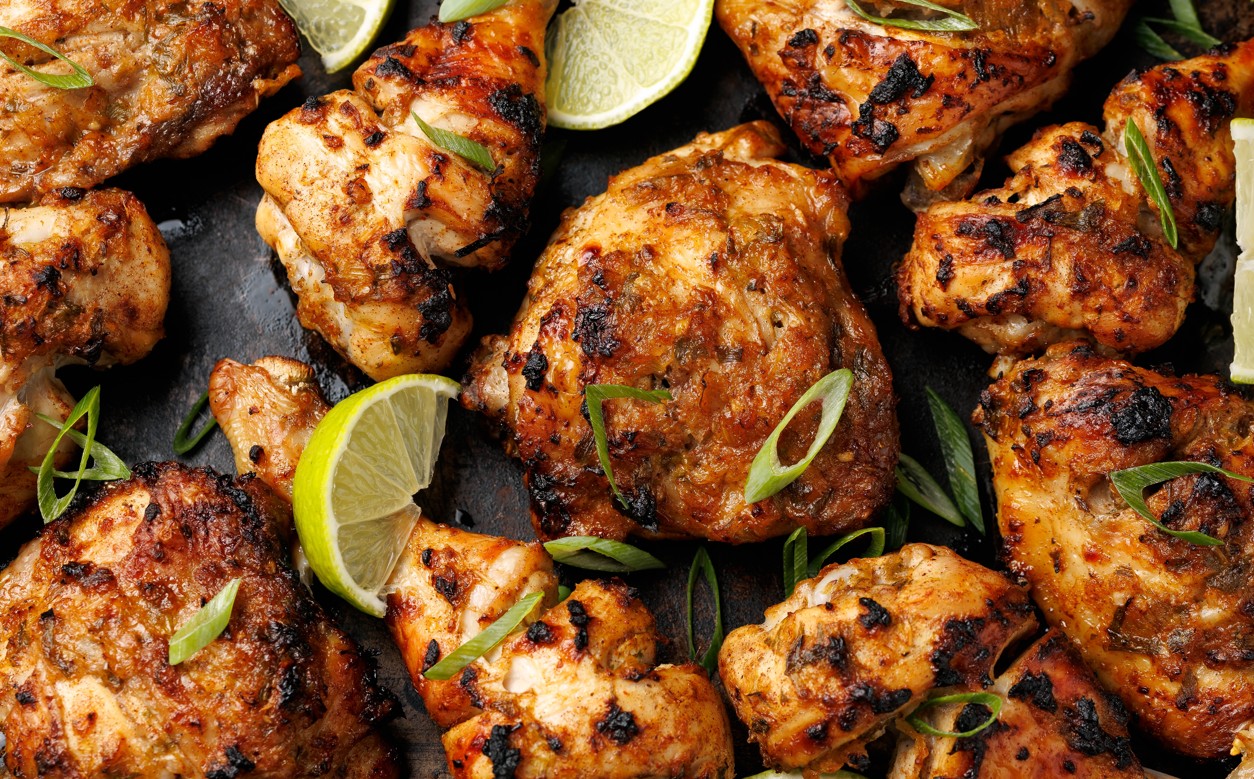
Jamaica is world-renowned for jerk cooking, in which meat, traditionally pork or chicken, is marinated in a fiery blend of Scotch bonnet peppers, allspice, thyme, and aromatics, then slow-smoked over pimento wood. Ackee and saltfish, the national dish, pairs the creamy, egg-like texture of ackee fruit with salted cod, onions, tomatoes, and spices, creating a dish that is both comforting and deeply symbolic of Jamaican identity.
Curry goat, slow-cooked with Jamaican curry spices and potatoes, reflects the influence of Indian indentured laborers on the island’s cuisine. Oxtail and butter beans, a rich stew simmered until tender in a thick gravy, is a beloved comfort food. Escovitch fish, featuring whole fried fish topped with a tangy pickled vegetable sauce, highlights Spanish-Jewish culinary heritage. Patties, flaky pastry turnovers filled with spiced meat or vegetables, are Jamaica’s most iconic snack. Rice and peas, made with coconut milk, thyme, and scallion, is the essential accompaniment to Sunday dinners, while bammy, a cassava flatbread of Taino origin, remains a traditional pairing with fish.
Everyday Jamaican & Caribbean Food
Breakfast in Jamaica often includes ackee and saltfish, callaloo with saltfish, or porridge made from cornmeal, oats, or plantains. Lunch may be a plate of jerk chicken from a roadside stand, patties from a neighborhood bakery, or a hearty plate lunch served with rice and stew. Dinner typically features home-style cooking or restaurant meals with multiple protein options and generous portions.
Rice and peas are central to family meals and special occasions. Chicken, pork, goat, and seafood are the primary proteins, while coconut is used in many forms, including milk for cooking, water for hydration, and oil for frying. Scotch bonnet peppers provide the characteristic heat that defines Jamaican food, appearing in sauces, marinades, and condiments. Tropical fruits such as mango, pineapple, guava, and soursop are enjoyed fresh, blended into juices, or incorporated into desserts. Street food plays a central role in daily life, with jerk shacks, patty shops, and fruit stalls lining roads across the island. Jamaica’s year-round growing season ensures a constant supply of fresh ingredients.
Cultural Fusion: Taino Foundations, African Heritage & Global Influences
Jamaican cuisine is a layered reflection of its indigenous Taino roots, African resilience forged through enslavement, European colonization, and the contributions of Asian indentured laborers. The Taino introduced cassava, corn, and early cooking methods, while African traditions brought okra, frying techniques, and one-pot meals that remain central to the cuisine.
Spanish influence introduced citrus, coconut, and escovitch-style preparation, while British rule added baking traditions and tea culture. Indian and Chinese communities contributed curry spices, stir-frying techniques, and distinctive fusion dishes. Together, these influences formed a uniquely Jamaican cuisine in which African-inspired stews, indigenous flatbreads, Indian-influenced curries, and Chinese-Jamaican dishes coexist seamlessly. Jamaican food culture is ultimately one of transformation, turning hardship and history into a vibrant culinary celebration.
Craft Beverage Scene and Local Libations
Jamaica’s beverage culture reflects its tropical climate, colonial history, and agricultural richness. Rum sits at the heart of this tradition, with Jamaican rum renowned for its bold, aromatic character and enjoyed neat, in cocktails, or as part of classic rum punch.
Red Stripe beer is the island’s most recognizable lager, while Ting, a grapefruit soda, is a popular mixer. Irish Moss, a thick drink made from seaweed, milk, and spices, is traditionally valued for its nutritional benefits. Fresh coconut water, often served straight from the nut, is the ultimate natural refresher. Blue Mountain Coffee, grown in the island’s misty highlands, is among the world’s most prized coffees. What truly distinguishes Jamaica is its rum culture, from roadside bars to historic distilleries, alongside an abundance of fresh juice stands offering flavors such as sorrel during Christmas and pineapple-ginger blends year-round.
International Dining and Contemporary Scene
While Jamaican cuisine dominates, the island also offers international dining shaped by its tourism industry and cosmopolitan centers. Italian, American, and continental restaurants are common in resort areas.
Chinese-Jamaican restaurants serve a distinctive fusion cuisine that is deeply embedded in local dining culture. Modern Jamaican chefs are increasingly reinterpreting traditional dishes with contemporary techniques, particularly in Kingston and upscale resorts. Despite the availability of international options, Jamaica’s culinary soul remains firmly rooted in local cooking, with even luxury hotels showcasing authentic jerk pits and Jamaican menus. The island’s food scene balances deep tradition with modern execution, and what sets it apart is its authenticity, where some of the world’s most celebrated flavors are often served casually, prioritizing taste over formality.
Food Customs and Practical Tips
Dining in Jamaica ranges from informal roadside jerk shacks to elegant resort restaurants, generally accompanied by friendly and relaxed service. Tipping is customary in restaurants, with 10–15% considered standard. Direct service questions are common and reflect efficiency rather than rudeness.
When ordering jerk, ask whether it is cooked over pimento wood for the most authentic experience. Ackee and saltfish is best enjoyed for breakfast at a local eatery. Boston Beach in Portland is widely regarded as the birthplace of jerk pork, while local bakeries are the best places to find fresh patties and coco bread.
Exploring different regions enhances the experience. Kingston offers the most diverse dining and modern Jamaican cuisine, Montego Bay combines resort dining with local spots, Ocho Rios blends tourist-friendly restaurants with traditional fare, and Negril is known for beachside seafood. Rural areas often provide the most authentic home-style cooking. Sampling both famous establishments and roadside spots frequented by locals offers the best insight into Jamaican food culture. Be prepared for the intensity of Scotch bonnet peppers and start cautiously if you are sensitive to heat. Jamaica delivers strong culinary value, particularly at local eateries. Above all, embrace the island’s culinary spirit, where food is about community, bold flavors, and the joyful celebration of life.
This guide covers what to eat in Jamaica, from jerk chicken and ackee and saltfish to curry goat, patties, and island specialties. Use it to plan your culinary exploration of the Caribbean’s spice island, where every meal is a rhythmic celebration of flavor and culture.
Check monthly weather averages for
Latest Secret Flying deals to Jamaica
Milan, Italy to Montego Bay, Jamaica for only €496 roundtrip
Cheap flights from Milan, Italy to Montego Bay, Jamaica for only €496 roundtrip.
View DealNon-stop from Birmingham, UK to Montego Bay, Jamaica for only £345 roundtrip
Non-stop flights from Birmingham, UK to Montego Bay, Jamaica for only £345 roundtrip.
View DealNon-stop from London, UK to Montego Bay, Jamaica for only £346 roundtrip
Non-stop flights from London, UK to Montego Bay, Jamaica for only £346 roundtrip.
View Deal [adblockingdetector id="638efa67113bf"]