


Jeju Food Guide
Food in Jeju: What to Eat & Drink
Jeju’s culinary landscape is a pristine celebration of volcanic island bounty, Korean maritime traditions, and cultural isolation, making it one of Asia’s most distinctive and terroir-driven food destinations. As South Korea’s largest island and only special autonomous province, Jeju has developed a food culture that balances mainland Korean foundations with indigenous island adaptations. Shaped by its volcanic geology, semi-tropical climate, and history as a place of exile and resistance, the island’s cuisine reflects its identity as Samda-do, the island of three abundances: rocks, wind, and women. Influenced by haenyeo culture, pastoral traditions, and its role as Korea’s premier holiday destination, Jeju’s food is rustic, deeply flavorful, and inseparable from both land and sea.
Core ingredients such as black pork, fresh seafood, buckwheat, mandarin oranges, and local greens form the foundation of Jeju’s cuisine. Dishes emphasize simplicity, preservation techniques, and the use of island-specific ingredients that clearly distinguish Jeju cooking from that of mainland Korea. Volcanic soil and surrounding fishing grounds shape the island’s culinary identity, allowing mountain-grown produce and deep-sea catches to coexist. From humble seafood shacks along the coast to refined restaurants in Jeju City, the island offers a culinary journey through Korea’s most ingredient-driven kitchen.
Local Specialities of Jeju
Jeju is best known for its black pork, or heuk dwaeji, raised free-range and prized for its rich flavor and firm texture. It is most commonly enjoyed as grilled pork belly at dedicated barbecue restaurants. Haemul ttukbaegi, a bubbling seafood hot pot filled with abalone, octopus, and shellfish, showcases the day’s freshest catch and is a cornerstone of island dining.
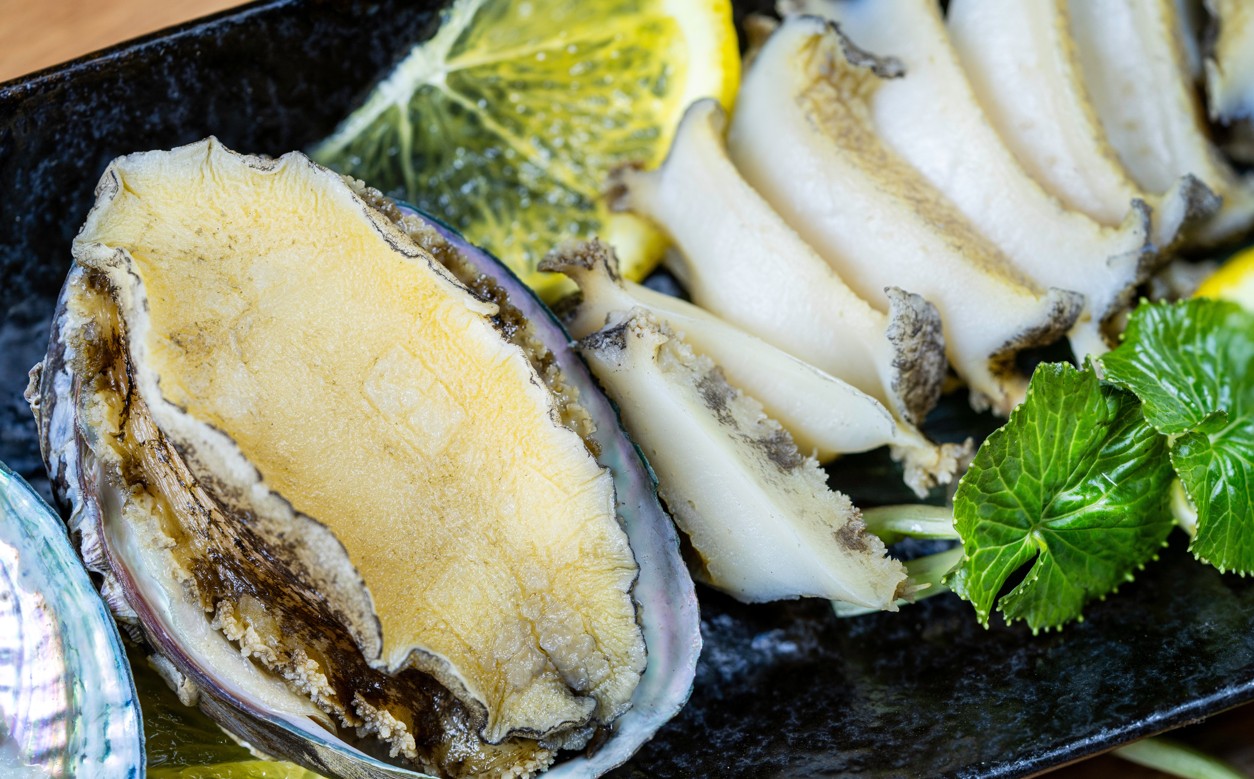
Okdom gui, grilled beltfish, is Jeju’s signature fish and is valued for its clean, delicate taste. Abalone appears in numerous preparations, from raw sashimi to nourishing porridge and simple grilling, often harvested by haenyeo divers. Gogi guksu, a light noodle soup made with pork broth and wheat noodles, is a beloved local comfort food, while jeonbok kalguksu enriches knife-cut noodles with tender abalone. Bingeo, a salted and fermented fish, represents traditional preservation methods. Hallabong, a sweet and seedless mandarin hybrid, is Jeju’s iconic fruit and appears fresh, juiced, and in desserts.
Everyday Jeju & Island Korean Food
Breakfast in Jeju often includes abalone porridge, seaweed soup, or a traditional Korean spread of rice and side dishes. Lunch commonly features noodle soups, seafood stews, or black pork barbecue, while dinner ranges from casual barbecue meals to more formal seafood or traditional Korean dining.
Rice remains the staple, though buckwheat and wheat noodles also play an important role. Pork, especially black pork, is the preferred meat, while seafood such as abalone, octopus, beltfish, sea urchin, and shellfish is consumed daily, often within hours of harvest. Local vegetables, including radish, cabbage, and wild greens, feature prominently in side dishes and soups. Mandarin oranges and other citrus fruits are enjoyed fresh and in processed products. The enduring haenyeo tradition ensures exceptional seafood quality, typically prepared simply to highlight its natural flavor. Jeju’s mild climate allows year-round fishing and farming, though certain products remain seasonal.
Cultural Fusion: Korean Foundations, Island Adaptation & Unique Heritage
Jeju’s cuisine reflects its Korean foundations shaped by centuries of geographical isolation and unique social structures. Mainland Korean cooking provided the framework of rice, soups, and banchan, while island conditions demanded adaptation through preservation and reliance on local resources.
The haenyeo tradition fostered a food culture centered on seafood and matriarchal labor, while Jeju’s history as a place of political exile introduced culinary ideas from banished scholars. The result is a distinctly Jeju cuisine in which familiar Korean dishes are transformed by island ingredients, unique seafood traditions, and produce found nowhere else in the country. Jeju’s food culture ultimately reflects resilience, resourcefulness, and respect for the environment.
Craft Beverage Scene and Local Libations
Jeju’s beverage culture is shaped by its agricultural abundance, Korean traditions, and a growing artisanal movement. Hallabong juice and other citrus-based drinks are the island’s signature refreshment, enjoyed fresh or as sparkling fruit beverages.
Soju remains the most common spirit, with local and fruit-infused variations widely available. Makgeolli is enjoyed alongside savory dishes, sometimes brewed with local ingredients. Barley tea is a traditional non-caffeinated staple. Coffee culture is particularly strong, with cafés offering panoramic ocean views across the island. Jeju is also home to its own beer production and a growing craft brewery scene. Drinking culture on the island tends to be more relaxed than on the mainland, reflecting Jeju’s slower pace and resort atmosphere.
International Dining and Contemporary Scene
While Jeju cuisine dominates, the island also offers international dining options shaped by tourism and increasing culinary sophistication. Korean-Chinese and Japanese restaurants are widespread, and Western-style cafés and bakeries are common in tourist areas.
Modern Korean chefs are reinterpreting traditional Jeju dishes with contemporary techniques, particularly in upscale hotels and Jeju City. Despite the presence of international cuisine, the island’s culinary heart remains firmly rooted in its local specialties, with even luxury resorts highlighting authentic Jeju food. The dining scene balances rustic tradition with modern presentation, especially in the competitive black pork and seafood sectors. What truly distinguishes Jeju dining is its focus on terroir, where exceptional ingredients take precedence over elaborate technique.
Food Customs and Practical Tips
Dining in Jeju ranges from simple seaside stalls to elegant restaurants, generally accompanied by friendly and relaxed service. Tipping is not customary in Korea. Learning simple phrases such as jal meokkesseumnida before meals and jal meogeosseumnida afterward is appreciated.
When enjoying black pork barbecue, expect locally made side dishes, including Jeju-style kimchi. Abalone is best sampled in multiple preparations to appreciate its versatility. Visiting haenyeo cooperatives offers access to the freshest seafood, while Jeju Olle Market provides an excellent introduction to local products and street food.
Exploring different areas enhances the experience. Jeju City offers diverse dining and markets, Seogwipo is known for coastal restaurants and cafés, scenic coastal roads host seafood shacks with ocean views, and rural areas reveal traditional local eateries. Balancing well-known establishments with places frequented by locals yields the most authentic experience. Jeju’s pace is unhurried, and meals are meant to be savored. The island offers strong culinary value given the quality of its ingredients. Above all, embrace Jeju’s culinary spirit, where simplicity, freshness, and respect for the island’s volcanic land and surrounding seas define every meal.
This guide covers what to eat in Jeju, from black pork and abalone to okdom gui, gogi guksu, and island specialties. Use it to plan your culinary exploration of Korea’s island paradise, where every meal reflects volcanic terroir and maritime tradition.
Check monthly weather averages for
Latest Secret Flying deals to Jeju
Madrid, Spain to Jeju, South Korea for only €448 roundtrip
Cheap flights from Madrid, Spain to Jeju, South Korea for only €448 roundtrip.
View DealBudapest, Hungary to South Korean cities from only €396 roundtrip
Cheap flights from Budapest, Hungary to South Korean cities from only €396 roundtrip.
View DealLondon, UK to Jeju, South Korea for only £445 roundtrip
Cheap flights from London, UK to Jeju, South Korea for only £445 roundtrip.
View Deal [adblockingdetector id="638efa67113bf"]