


Johannesburg Food Guide
Food in Johannesburg: What to Eat & Drink
Johannesburg’s culinary landscape is a dynamic fusion of South African tradition, township vitality, and global cosmopolitanism, making it one of Africa’s most vibrant and fast-evolving food destinations. As South Africa’s largest city and economic heartland, Johannesburg has developed a distinctive food culture that balances indigenous foundations with immigrant innovation. Shaped by its gold rush origins, apartheid history, and role as the continent’s most significant commercial hub, the city’s cuisine reflects its journey from mining camp to modern metropolis. The result is food that is hearty, deeply flavorful, and infused with both struggle and celebration.
Core ingredients such as maize, meat, beans, and indigenous greens form the foundation of Johannesburg’s cuisine. Dishes are defined by braai culture, slow-cooked stews, and the distinctive blending of African, European, and Asian influences that characterise South African cooking. Johannesburg’s position on the mineral-rich Highveld plateau shapes its culinary identity, connecting agricultural heartlands with global trade routes. From long-standing shebeens in Soweto to refined dining rooms in Sandton, the city offers a culinary journey through South Africa’s most diverse and ambitious kitchen.
Local Specialities of Johannesburg
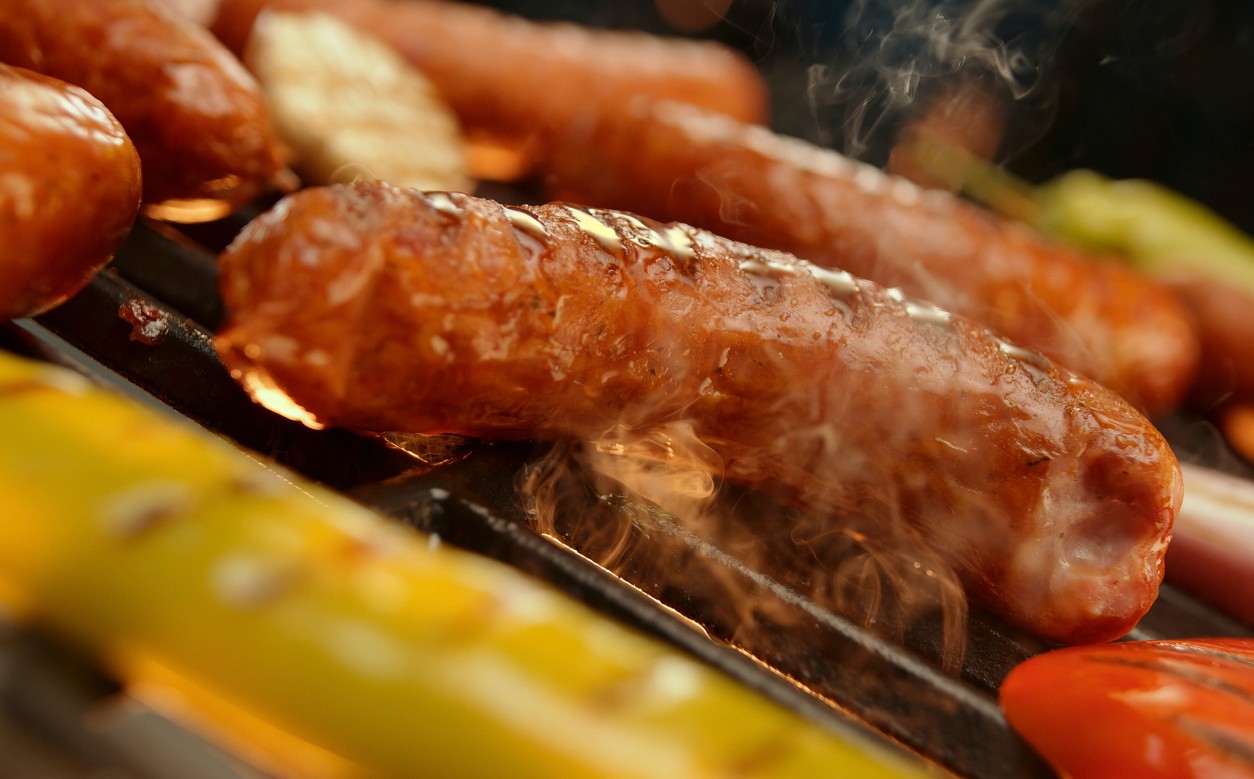
Johannesburg is synonymous with braai culture, the South African barbecue that is as much a social ritual as a cooking method. Typical offerings include boerewors, sosaties, and a variety of meats grilled slowly over wood or charcoal. Pap, also known as mieliepap, is the essential accompaniment, served with stews, grilled meat, or enjoyed as a soft breakfast porridge.
Bunny chow, originally from Durban but widely loved in Johannesburg, consists of a hollowed-out loaf of bread filled with spicy curry, usually chicken or mutton. Kota, a township staple, is a quarter loaf stuffed with chips, processed cheese, polony, and assorted meats, making it one of the city’s most iconic street foods. Vetkoek, a deep-fried bread dough filled with mince or curried meat, is another popular snack. Chakalaka, a spicy vegetable relish made with tomatoes, onions, beans, carrots, and chili, is commonly served with pap and meat. Mogodu, a slow-cooked tripe stew, remains a traditional favorite, while melktert, a lightly spiced custard tart, is South Africa’s most beloved dessert.
Everyday Johannesburg & South African Food
Breakfast in Johannesburg may include pap with stew, eggs served alongside boerewors, or more continental-style options. Lunch often consists of sandwiches, salads, or quick street foods such as bunny chow or kota. Dinner ranges from relaxed backyard braais to polished restaurant meals.
Maize is the central staple, consumed daily in the form of pap. Beef, lamb, and chicken are the most common meats, frequently grilled or slow-cooked. Beans and lentils appear in stews and side dishes, while indigenous vegetables such as morogo and pumpkin are traditional accompaniments. Street food plays a vital role in township life, with vendors selling grilled meats, fried dough, and classic snacks. Johannesburg’s mild Highveld climate allows for year-round outdoor cooking, making braais a constant presence across both suburbs and townships.
Cultural Fusion: Indigenous Foundations, Colonial Influences & Rainbow Nation Diversity
Johannesburg’s cuisine reflects the layered history of its indigenous African roots, Dutch and British colonial legacies, and the diversity of South Africa’s Rainbow Nation. Nguni and Sotho traditions centered on maize, sorghum, beans, and wild greens, forming the backbone of local foodways.
Dutch settlers introduced baking traditions, farming practices, and preserved meats such as biltong, while British influence added roasts, pies, and tea culture. Indian communities brought curries and spice-driven dishes, and Portuguese and Greek immigrants contributed Mediterranean flavors. Together, these influences created a uniquely Johannesburg table where pap and stew, boerewors, bunny chow, and peri-peri chicken coexist. The city’s food culture mirrors its social evolution, moving from division toward shared experiences around the table.
Craft Beverage Scene and Local Libations
Johannesburg’s beverage culture reflects its mining heritage, European influence, and rapidly growing craft movement. Rooibos tea, South Africa’s indigenous herbal infusion, is widely enjoyed both hot and iced.
South African wine, particularly from the Western Cape, is readily available and highly regarded. Craft beer has flourished, with local breweries producing innovative styles across the city. Amarula, a creamy liqueur made from marula fruit, is a distinctly African after-dinner drink. What sets Johannesburg apart is its shebeen culture, once illegal township bars that became centers of resistance and community and are now vibrant social spaces. The city’s craft distillery scene is also expanding, with locally produced gins and whiskies gaining international recognition.
International Dining and Contemporary Scene
While South African cuisine anchors the local identity, Johannesburg offers world-class international dining that reflects its cosmopolitan character. Portuguese restaurants, particularly those specializing in peri-peri chicken, are especially popular.
Italian, French, and modern European restaurants serve a broad audience, while Asian cuisines including Chinese, Japanese, Thai, and Vietnamese have strong followings. Contemporary South African restaurants are increasingly reimagining traditional dishes with modern techniques, especially in areas such as Maboneng and Braamfontein. Despite this global range, Johannesburg’s culinary soul remains rooted in its local traditions, with even fine dining chefs drawing inspiration from braai culture and indigenous ingredients. The city’s food scene balances deep heritage with creative innovation, reflecting a place in constant reinvention.
Food Customs and Practical Tips
Dining in Johannesburg ranges from informal street food stalls to some of Africa’s most luxurious restaurants, generally accompanied by friendly and attentive service. Tipping is customary, with 10–15% considered standard. Casual greetings such as “howzit” are common and simply mean hello.
A braai is typically a social event that unfolds over several hours, so expect a relaxed pace. Bunny chow is traditionally eaten by hand for the full experience. Visiting a shebeen in Soweto offers insight into township culture through food, music, and conversation. The Neighbourgoods Market in Braamfontein is a popular destination for artisanal food, coffee, and craft beverages.
Exploring different neighborhoods reveals Johannesburg’s culinary diversity. Sandton is known for upscale and international dining, Maboneng and Braamfontein for creative eateries and cafés, Soweto for authentic township food, and Rosebank for varied restaurants and markets. Mixing established institutions with places favored by locals offers the most rewarding experience. Given the city’s size, driving between areas is often necessary. Johannesburg delivers strong culinary value, offering high-quality dining at accessible prices. Above all, embrace the city’s culinary spirit, where food represents resilience, community, and the shared enjoyment of South Africa’s rich diversity.
This guide covers what to eat in Johannesburg, from braai and pap to bunny chow, kota, and classic South African dishes. Use it to plan your culinary exploration of the City of Gold, where every meal reflects a story of diversity, history, and transformation.
Check monthly weather averages for
Latest Secret Flying deals to Johannesburg
Non-stop from Madrid, Spain to Johannesburg, South Africa for only €468 roundtrip
Non-stop flights from Madrid, Spain to Johannesburg, South Africa for only €468 roundtrip with Air Europa.
View DealPrague, Czech Republic to Johannesburg, South Africa for only €485 roundtrip
Cheap flights from Prague, Czech Republic to Johannesburg, South Africa for only €485 roundtrip.
View DealCork, Ireland to Johannesburg, South Africa for only €476 roundtrip
Cheap flights from Cork, Ireland to Johannesburg, South Africa for only €476 roundtrip with British Airways.
View Deal [adblockingdetector id="638efa67113bf"]