


Karachi Food Guide
Food in Karachi: What to Eat & Drink
Karachi’s culinary landscape is a vibrant and often chaotic fusion of Sindhi traditions, Mughlai heritage, and global port-city influences, making it one of South Asia’s most dynamic and flavor-intense food destinations. As Pakistan’s largest city, economic powerhouse, and primary seaport, Karachi has developed a distinctive food culture that blends indigenous coastal cooking with layers of immigrant innovation. Shaped by its Arabian Sea location, the upheaval of Partition, and its role as Pakistan’s most diverse and cosmopolitan city, the cuisine reflects a place that never stops evolving. The result is food that is bold, aromatic, and endlessly varied, mirroring the city’s relentless energy.
Core ingredients such as rice, wheat, lamb, seafood, and aromatic spices form the backbone of Karachi’s cuisine. Dishes are defined by rich gravies, charcoal-grilled meats, and a street food culture that dominates daily life. Karachi’s position on the Arabian Sea gives it a unique culinary identity, combining ocean-fresh seafood with influences from inland agricultural regions to create a distinctive coastal–desert fusion. From the legendary street food of Burns Road to polished restaurants in Clifton and Defence, Karachi offers a culinary journey through Pakistan’s most diverse and fast-moving kitchen.
Local Specialities of Karachi
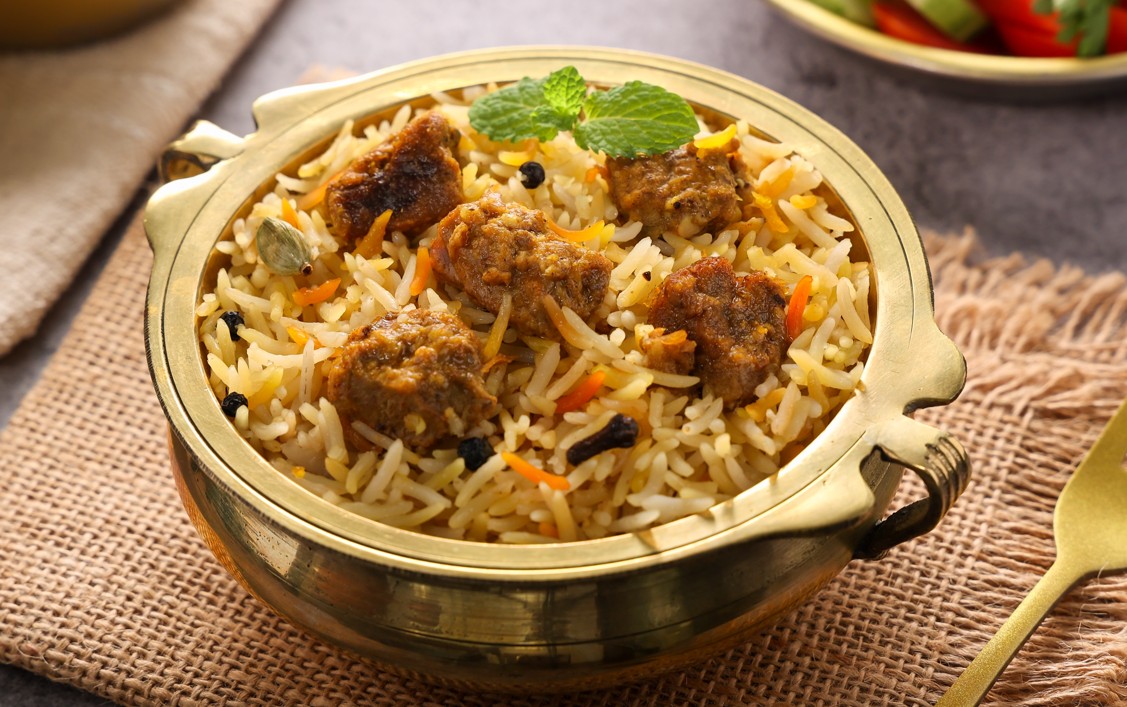
Karachi is especially renowned for its biryani, a style distinct from versions elsewhere in Pakistan, typically featuring more potatoes, subtler coloring, and a unique balance of spices rooted in Sindhi and migrant traditions. Nihari, a slow-simmered stew of beef shank thickened with flour and infused with warming spices, is a classic Karachi breakfast, particularly popular on weekends.
Haleem, a dense, velvety mixture of wheat, lentils, and meat cooked and pounded for hours, is closely associated with Ramadan but enjoyed year-round. Bun kebab, often described as Karachi’s street burger, consists of a spiced lentil or meat patty tucked into a soft bun with chutneys. Fried fish, especially pomfret and singhara coated in spiced batter, reflects the city’s coastal heritage. Paya, slow-cooked trotters in a rich, peppery gravy, remains a beloved morning dish. Doodh soda, an unusual but popular drink combining milk and soda water, is a local invention. Rabri, made by slowly reducing milk and flavored with cardamom and nuts, is one of the city’s most cherished desserts.
Everyday Karachi & Sindhi Food
Breakfast in Karachi commonly features nihari, paya, or halwa puri, a combination of fried bread served with semolina halwa and chickpea curry. Lunch often centers on biryani, rice served with meat or vegetable curries, or quick street food snacks. Dinner ranges from informal meals at roadside eateries to elaborate, multi-course restaurant dining.
Rice, particularly basmati, is central to daily meals, while wheat appears in naan, roti, and various breakfast breads. Beef and lamb are preferred meats, with chicken also widely consumed. Thanks to the city’s coastal location, seafood such as prawns, crab, pomfret, and lobster is widely available. Lentils and legumes feature in vegetarian dishes and accompaniments. Spices including cumin, coriander, cardamom, cloves, and chili define Karachi’s characteristic depth and heat. Street food is an essential part of daily life, with areas like Burns Road and Boat Basin serving food late into the night. Given the city’s hot and humid climate, meals are often balanced with cooling elements such as yogurt-based raita and sweet or milky drinks.
Cultural Fusion: Sindhi Foundations, Mughlai Heritage & Immigrant Diversity
Karachi’s cuisine is shaped by layers of cultural history, beginning with indigenous Sindhi traditions that emphasized rice, fish, and bold spice blends. Mughlai influences introduced rich gravies, pilafs, and refined kebab traditions.
The upheaval of Partition in 1947 brought large numbers of Muslim refugees from regions such as Uttar Pradesh and Hyderabad Deccan, each carrying their own culinary heritage. Later migration from across Pakistan added Punjabi, Pashtun, Balochi, and Kashmiri influences. The result is a uniquely Karachi food culture where Sindhi biryani, Mughlai-style nihari, migrant-era home cooking, and regional specialties such as Balochi sajji can all be found within the same neighborhood. Karachi’s cuisine vividly expresses the country’s diversity through food.
Craft Beverage Scene and Local Libations
Karachi’s beverage culture reflects its Islamic foundations, British colonial legacy, tropical climate, and expanding modern café scene. Chai is central to daily life, with strong, milky doodh patti consumed at all hours, from early morning to late night.
Lassi, in both sweet and salty forms, is commonly paired with meals, especially spicy ones. Fresh sugarcane juice is a popular street-side refreshment, while falooda, a layered dessert drink made with rose syrup, milk, vermicelli, basil seeds, and ice cream, is widely loved. Alcohol consumption is restricted for Muslims, so non-alcoholic beverages and traditional drinks dominate. What truly distinguishes Karachi is its chai culture, which spans humble roadside dhabas and elegant tea lounges alike. The modern café scene in Clifton and Defence has introduced specialty coffee and contemporary spaces for socializing, while doodh soda remains a uniquely local curiosity.
International Dining and Contemporary Scene
Although Pakistani cuisine dominates, Karachi supports an extensive international dining scene reflecting its history as a major port and its modern cosmopolitan character. Pakistani-Chinese restaurants are especially popular, offering a distinctive fusion that has become deeply embedded in local dining habits.
Middle Eastern cuisines, particularly Lebanese and Turkish, are well represented, alongside continental and European restaurants. Modern Pakistani chefs are increasingly reinterpreting traditional dishes with contemporary techniques and presentation. Despite this global range, Karachi’s culinary soul remains rooted in its street food and long-established local eateries, with even luxury hotels showcasing authentic Pakistani cuisine. The city’s food scene balances tradition with innovation, particularly in the fiercely competitive biryani and barbecue arenas. What sets Karachi apart is its intensity and scale, offering an unmatched range of flavors within a single, energetic city.
Food Customs and Practical Tips
Dining in Karachi ranges from informal street stalls to some of Pakistan’s most elegant restaurants, generally accompanied by efficient and welcoming service. Tipping is appreciated, with around 10% considered standard in restaurants. Eating with the right hand is customary, although utensils are widely used.
Karachi-style biryani is known for its distinctive spice balance and frequent use of potatoes. Nihari is traditionally eaten in the morning and is best enjoyed at specialized breakfast spots. Visiting Burns Road at night provides a concentrated street food experience, while the fishing harbor offers the freshest seafood.
Exploring different areas reveals the city’s culinary breadth. Burns Road and Boat Basin are essential for street food, Clifton and Defence are known for upscale restaurants and cafés, Saddar offers historic eateries and markets, and the harbor area is ideal for seafood lovers. Sampling both famous institutions and places favored by locals yields the most rewarding experience. Given the city’s heat and humidity, staying hydrated is essential. Karachi delivers exceptional culinary value, offering remarkable flavor at accessible prices. Above all, embrace the city’s culinary spirit, where generosity, bold seasoning, and shared meals reflect the diversity and vitality of a city that never truly slows down.
This guide covers what to eat in Karachi, from biryani and nihari to bun kebab, seafood, and classic Pakistani dishes. Use it to plan your culinary exploration of Pakistan’s bustling port city, where every meal is a celebration of spice, history, and diversity.
Check monthly weather averages for
Latest Secret Flying deals to Karachi
European cities to Karachi, Pakistan from only €313 roundtrip
Cheap flights from European cities to Karachi, Pakistan from only €313 roundtrip.
View DealSofia, Bulgaria to Karachi, Pakistan for only €284 roundtrip
Cheap flights from Sofia, Bulgaria to Karachi, Pakistan for only €284 roundtrip.
View DealSUMMER: Non-stop from Riyadh, Saudi Arabia to Karachi, Pakistan for only $296 USD roundtrip
Non-stop, summer flights from Riyadh, Saudi Arabia to Karachi, Pakistan for only $296 USD roundtrip.
View Deal [adblockingdetector id="638efa67113bf"]