


Kathmandu Food Guide
Food in Kathmandu: What to Eat & Drink
Kathmandu’s culinary landscape is a layered fusion of Newari heritage, Himalayan traditions, and centuries of cultural exchange, making it one of Asia’s most distinctive and spiritually rooted food destinations. As Nepal’s capital and the gateway to the Himalayas, Kathmandu has developed a food culture that balances ancient valley customs with modern global influences. Shaped by its location in the Kathmandu Valley, its role as a living repository of medieval architecture, and its position at the heart of Nepali cultural life, the city’s cuisine reflects its past as a kingdom of three cities, its place on historic trade routes between India and Tibet, and its present-day identity as a hub for pilgrims, trekkers, and travelers. The result is food that is earthy, comforting, and deeply connected to ritual as well as everyday life.
Core ingredients such as rice, lentils, buffalo meat, mustard greens, and local spices form the foundation of Kathmandu’s cuisine. Dishes are defined by fermented flavors, the use of mustard oil, and the distinctive Newari culinary traditions that long predate the modern Nepali state. Kathmandu’s position in a fertile valley surrounded by mountains shapes its food identity, allowing ingredients from both lowland farms and high-altitude regions to coexist. From traditional Newari eateries tucked into historic courtyards to international cafés in Thamel, Kathmandu offers a culinary journey through Nepal’s most complex and historically rich kitchen.
Local Specialities of Kathmandu
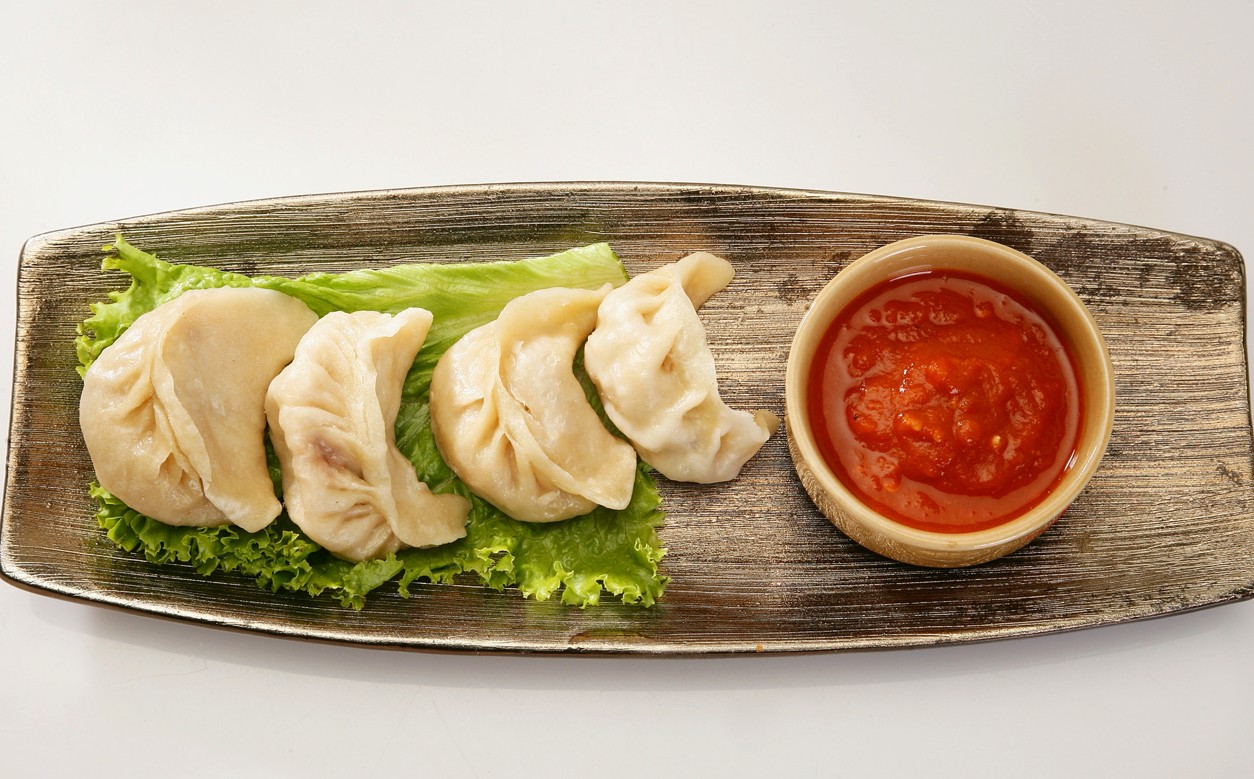
Kathmandu is best known for its Newari cuisine, the indigenous food of the Kathmandu Valley’s original inhabitants. Among its most famous dishes is momo, steamed or fried dumplings filled with meat or vegetables that have become Nepal’s most recognizable culinary export. Chatamari, often described as a Newari-style rice crepe, is topped with minced meat, eggs, and spices and is a staple at festivals and gatherings.
Yomari, a steamed rice-flour dumpling filled with sweet molasses or reduced milk, is traditionally prepared during winter festivals. Bara, a savory lentil pancake sometimes topped with egg or meat, is a popular snack and street food. Samay baji, a ceremonial platter featuring beaten rice, spiced buffalo meat, black soybeans, ginger, and assorted accompaniments, represents the essence of Newari feasting. Kwati, a nourishing soup made from nine varieties of sprouted beans, is eaten during the Gunla festival. Choila, grilled and spiced buffalo meat, is another signature Newari dish, while juju dhau, the rich “king of yogurt” from nearby Bhaktapur, is prized for its creamy texture and mild sweetness.
Everyday Kathmandu & Nepali Food
Breakfast in Kathmandu may include chiura served with tea or sel roti, a ring-shaped rice doughnut enjoyed with curry. Lunch commonly revolves around dal bhat, the national meal of rice, lentil soup, and vegetable curries, traditionally served with unlimited refills. Dinner ranges from casual momo shops to more formal settings offering traditional or contemporary Nepali dishes.
Rice is the primary staple, eaten both as plain rice and as beaten rice. Lentils, especially in the form of dal, provide an important source of protein. Vegetables such as spinach, potatoes, cauliflower, and radishes are commonly curried or sautéed. Buffalo meat is widely consumed, reflecting cultural and religious preferences, while mustard oil and seeds contribute a distinctive pungency. Fermented foods like gundruk and sinki remain central to traditional diets. In tourist districts such as Thamel, café culture flourishes alongside local eateries, offering a blend of Nepali and international fare. Kathmandu’s mild climate supports year-round outdoor dining in courtyards and rooftop restaurants.
Cultural Fusion: Newari Foundations, Tibetan Influence & Subcontinental Exchange
Kathmandu’s cuisine reflects centuries of cultural layering, beginning with its deeply rooted Newari traditions, which emphasize ritual feasting, fermented foods, and buffalo meat. These practices date back more than two thousand years and remain integral to valley life.
Tibetan influence introduced dishes such as momo and thukpa, as well as butter tea in some communities. Exchange with the Indian subcontinent added spices, cooking techniques, and vegetarian traditions. Together, these influences created a uniquely Kathmandu food culture in which a Newari ceremonial feast, Tibetan-inspired noodles, and Indian-influenced dal bhat can all be enjoyed within the same neighborhood. The city’s cuisine reflects synthesis rather than replacement, preserving ancient traditions while embracing outside influences.
Craft Beverage Scene and Local Libations
Kathmandu’s beverage culture mirrors its Himalayan setting, historical influences, and growing modern café scene. Nepali chiya, typically prepared with milk, sugar, and spices such as cardamom and ginger, is consumed throughout the day and serves as a social ritual.
Tongba, a fermented millet drink sipped through a bamboo straw, is a traditional beverage of Himalayan communities. Raksi, a clear distilled spirit made from rice or millet, remains an important ceremonial drink in many cultures. Lassi, both sweet and salty, is popular alongside meals, while local beers such as Everest and Gorkha are widely available. What sets Kathmandu apart is its vibrant tea culture, with small tea shops acting as informal community hubs. The café scene in Thamel and Patan also features quality coffee, often sourced from Nepali-grown beans, alongside fresh fruit juices made from local produce.
International Dining and Contemporary Scene
While Nepali and Newari cuisine dominate, Kathmandu supports a diverse international dining scene driven by tourism and long-term expatriate communities. Tibetan restaurants serving momo and thukpa are especially prominent, particularly around Boudhanath.
Indian restaurants are widespread, with North Indian cuisine especially popular, while Western cafés and bakeries cater to travelers and locals alike. Despite these global influences, Kathmandu’s culinary soul remains firmly rooted in its local establishments, from humble dal bhat kitchens to traditional Newari dining houses. The city’s food scene balances centuries-old practices with contemporary presentation, particularly in the ever-evolving momo sector. What distinguishes Kathmandu dining is its connection to ritual and place, where food often carries cultural and spiritual meaning beyond sustenance.
Food Customs and Practical Tips
Dining in Kathmandu ranges from street stalls to upscale restaurants, generally accompanied by warm and gracious service. Tipping is appreciated but not mandatory, with around 10% considered generous. Eating with the right hand is traditional for meals such as dal bhat, though utensils are commonly provided.
Momo are typically served with a spicy tomato-based achar, and dal bhat is best experienced at a local restaurant offering unlimited refills. Sampling a full Newari feast provides insight into the valley’s ceremonial food traditions, while local markets offer excellent street food and fresh produce.
Exploring different neighborhoods enhances the experience. Thamel is known for tourist-friendly restaurants and cafés, Patan offers some of the best traditional Newari cuisine, Boudhanath is ideal for Tibetan food, and residential areas reveal everyday Nepali cooking. Balancing well-known spots with small local eateries yields the most authentic experience. Power cuts are still part of daily life, though most restaurants operate with backup systems. Kathmandu offers excellent culinary value, delivering rich flavors at accessible prices. Above all, embrace the city’s culinary spirit, where food reflects community, tradition, and the harmonious blending of cultures in a place where the ancient and modern coexist.
This guide covers what to eat in Kathmandu, from momo and dal bhat to Newari specialties such as chatamari, yomari, and samay baji. Use it to plan your culinary exploration of Nepal’s capital, where every meal connects you to Himalayan traditions and the living heritage of the Kathmandu Valley.
Check monthly weather averages for
Latest Secret Flying deals to Kathmandu

Toronto, Canada to Kathmandu, Nepal for only $760 CAD roundtrip
Cheap flights from Toronto, Canada to Kathmandu, Nepal for only $760 CAD roundtrip.
View DealXMAS & NEW YEAR: Non-stop from Dhaka, Bangladesh to Kathmandu, Nepal for only $289 USD roundtrip
Non-stop, Christmas and New Year flights from Dhaka, Bangladesh to Kathmandu, Nepal for only $289 USD roundtrip.
View Deal [adblockingdetector id="638efa67113bf"]