


Kilimanjaro Food Guide
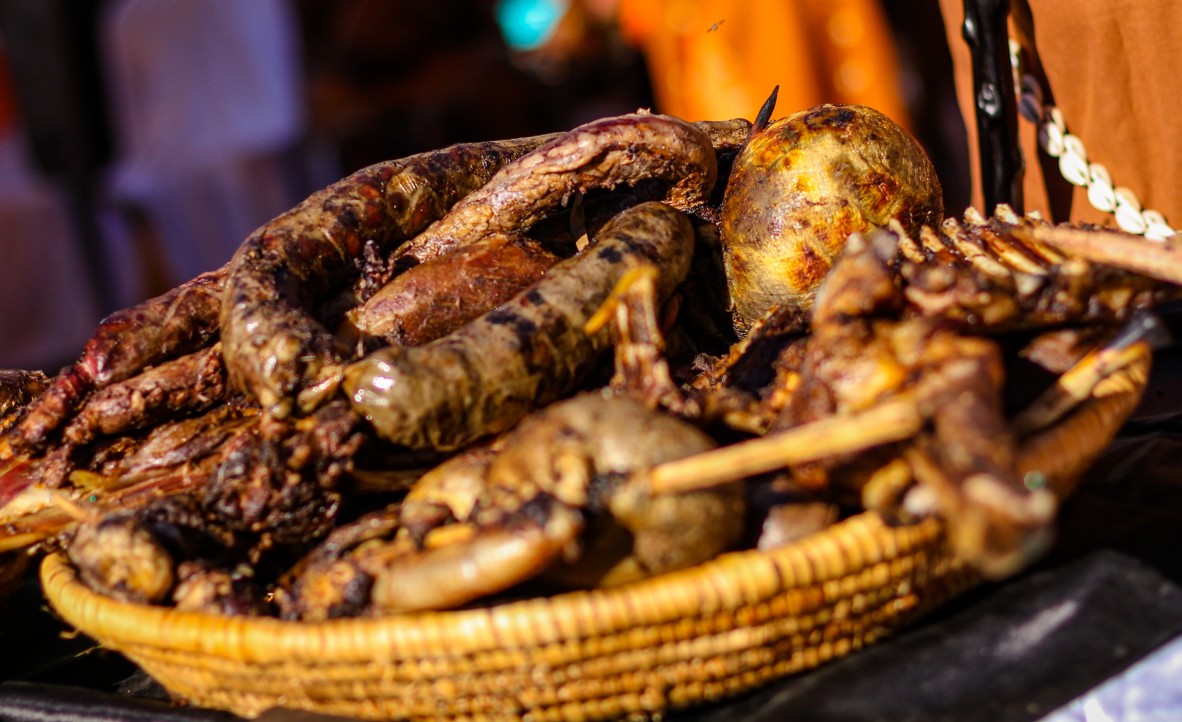
Food in the Kilimanjaro: What to Eat & Drink
The Kilimanjaro region’s culinary landscape is a rich expression of Chagga highland traditions, Tanzanian agricultural abundance, and the practical demands of life in a mountainous environment. As the home of Africa’s highest peak and the ancestral lands of the Chagga people, the region has developed a distinctive food culture shaped by fertile volcanic soils, high-altitude living, and generations of farming on steep slopes. Its cuisine reflects both sustenance and celebration, rooted in community life while also supporting climbers, porters, and travelers drawn to Tanzania’s most iconic destination.
Food in the Kilimanjaro region is closely tied to the land. Bananas, maize, beans, and vegetables thrive in the volcanic soil, while cattle keeping and coffee cultivation play an important cultural and economic role. The result is a cuisine that is hearty and nourishing, designed to sustain daily labor and long climbs alike. From home kitchens in rural villages to trekking lodges on the mountain’s slopes, the region offers a deeply local yet adaptable culinary experience.
Local Specialities of Kilimanjaro
The region is best known for ndizi nyama, a classic Chagga dish of green bananas cooked with beef or goat in a lightly spiced sauce, often enriched with coconut milk. Mtori, a thick soup made from mashed bananas and meat, is another signature dish traditionally served at celebrations and family gatherings.
Kande, a filling combination of beans, maize, and coconut milk, is a common everyday staple. Mchuzi wa ng’ombe, a slow-cooked beef stew with potatoes and carrots, reflects the importance of cattle in local life. Chapati, introduced through Indian influence and now fully integrated into Tanzanian cuisine, accompanies many meals. Nyama choma, grilled goat or beef served with chili sauce, is enjoyed across the region as a social dish. Viazi karai, spiced fried potatoes, and chipsi mayai, an omelet cooked with French fries, are popular snacks found in towns and villages alike.
Everyday Kilimanjaro & Tanzanian Food
Breakfast in the Kilimanjaro region often consists of mandazi served with chai, or porridge made from maize or bananas. Lunch typically includes ugali with a bean or meat stew, rice with vegetables, or banana-based dishes. Dinner may be home-cooked or enjoyed in lodges and guesthouses catering to trekkers.
Bananas and plantains are central to daily cooking, used in savory dishes, fermented drinks, and eaten fresh. Maize appears most commonly as ugali, the national staple. Beans and legumes provide the main source of protein for many households, while beef and goat are the most common meats. Coconut milk features in sauces and stews, adding richness without heaviness. Fresh vegetables such as cabbage, onions, tomatoes, and carrots are widely available. Because the region spans multiple elevations, different crops dominate at different heights, from coffee and bananas in the mid-slopes to potatoes and maize at higher altitudes.
Cultural Fusion: Chagga Foundations, Coastal Influence & Trekking Traditions
The Kilimanjaro region’s cuisine reflects layers of cultural exchange built upon a strong Chagga foundation. Traditional Chagga cooking centered on bananas, beans, and cattle, shaped by life on steep hillsides and communal land management.
Trade connections with the Swahili coast introduced coconut and new cooking techniques, while German and later British colonial periods brought European vegetables and baking practices. In more recent decades, the growth of the trekking industry has influenced local food through lodge dining and international expectations. Today, it is common to find traditional banana dishes served alongside pasta or soup designed to fuel climbers, illustrating how local foodways adapt without losing their identity.
Craft Beverage Scene and Local Libations
The region’s beverage culture is closely tied to agriculture and tradition. Mbege, a fermented banana beer mixed with millet, is a ceremonial drink consumed during weddings, festivals, and communal gatherings.
Kilimanjaro coffee, grown on the mountain’s fertile slopes, is among Tanzania’s finest and remains a point of local pride. Chai, usually sweet and milky, is consumed throughout the day. Fresh fruit juices made from passion fruit, mango, and pineapple are widely available. Local beers such as Kilimanjaro Lager and Safari Lager are popular social drinks. Coffee culture is particularly strong, with plantation visits offering insight into both cultivation and processing, while some lodges now include traditional mbege tastings as part of cultural experiences.
International Dining and Contemporary Scene
While Chagga and Tanzanian dishes remain central, international influences are visible due to tourism and the climbing economy. Lodges and hotels serve Western-style meals alongside local staples to meet the needs of trekkers.
In Moshi, the main gateway town, Indian restaurants reflect Tanzania’s long-established Indian community, and international cafés cater to travelers. Despite these options, the region’s culinary heart remains in local cooking, with even trekking lodges often featuring ugali, beans, and banana dishes. Dining in the Kilimanjaro region is less about refinement and more about context, where simple, nourishing food is deeply satisfying after a day on the mountain.
Food Customs and Practical Tips
Dining in the Kilimanjaro region ranges from small local eateries to organized lodge dining rooms, with service generally warm and welcoming. Tipping is appreciated, especially for guides, cooks, and porters involved in trekking.
Ugali is traditionally eaten with the right hand by pinching off a piece and using it to scoop up stew. Trying mbege at a local venue offers insight into Chagga culture, while visiting a coffee farm helps explain the region’s most famous export. Local markets are excellent places to see daily food culture and sample simple street snacks.
Moshi provides the widest range of dining options, Marangu and nearby villages offer access to traditional cooking, and rural areas provide the most authentic Chagga food experiences. Eating smaller, frequent meals can help with altitude adjustment. Overall, the Kilimanjaro region offers strong culinary value, especially at local establishments. Above all, embrace the region’s culinary spirit, where food is about nourishment, community, and honoring the land that sustains life on Africa’s highest mountain.
This guide covers what to eat in the Kilimanjaro region, from ndizi nyama and mtori to ugali, nyama choma, and everyday Tanzanian dishes. Use it to plan your culinary exploration of Africa’s rooftop, where every meal fuels adventure and reflects the deep-rooted traditions of the Chagga people.
Check monthly weather averages for
Latest Secret Flying deals to Kilimanjaro
Zurich, Switzerland to Kilimanjaro, Tanzania for only €422 roundtrip
Cheap flights from Zurich, Switzerland to Kilimanjaro, Tanzania for only €422 roundtrip with KLM.
View DealBrussels, Belgium to Kilimanjaro, Tanzania for only €430 roundtrip
Cheap flights from Brussels, Belgium to Kilimanjaro, Tanzania for only €430 roundtrip with Brussels Airlines.
View DealLondon, UK to Kilimanjaro, Tanzania for only £437 roundtrip
Cheap flights from London, UK to Kilimanjaro, Tanzania for only £437 roundtrip with Turkish Airlines.
View Deal [adblockingdetector id="638efa67113bf"]