


Kunming Food Guide
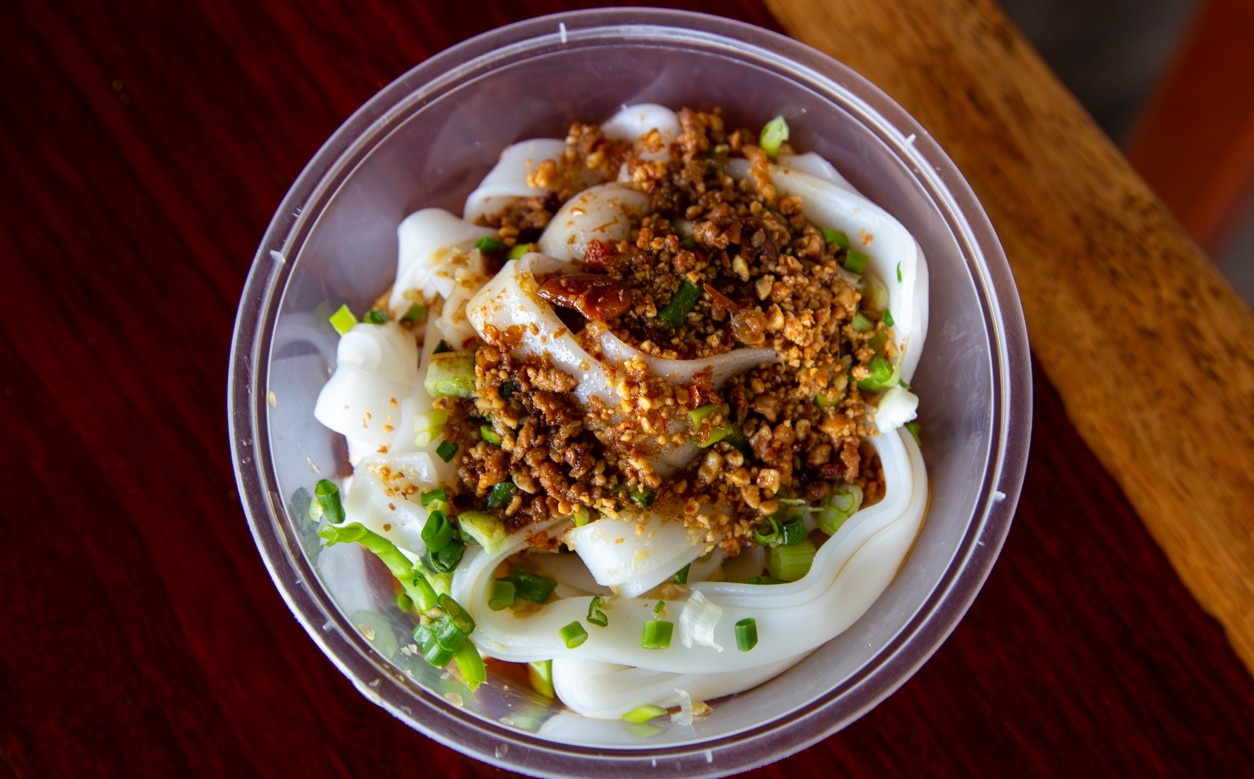
Food in Kunming: What to Eat & Drink
Kunming’s culinary landscape is a vibrant celebration of Yunnan’s ethnic diversity, floral abundance, and botanical ingenuity, making it one of China’s most distinctive and flavor-rich regional food destinations. As the capital of Yunnan Province and the famed “City of Eternal Spring,” Kunming has developed a food culture that blends Han Chinese foundations with the traditions of 25 ethnic minority groups. Shaped by its high-altitude plateau location, year-round mild climate, and role as a gateway to Southeast Asia, the city’s cuisine reflects centuries of trade, migration, and extraordinary biodiversity, resulting in dishes that are fresh, floral, and unexpectedly diverse.
Core ingredients such as rice, mushrooms, herbs, flowers, and wild plants form the backbone of Kunming’s cuisine. Dishes are defined by fermentation, foraged ingredients, and the distinctive sour-and-spicy balance that characterizes Yunnan cooking. Situated at around 1,900 meters above sea level on the Yunnan–Guizhou Plateau, Kunming enjoys access to both temperate and tropical produce, creating a rare vertical cuisine. From lively night markets in the city center to ethnic minority restaurants on the outskirts, Kunming offers a culinary journey through China’s most botanically rich and culturally layered kitchen.
Local Specialities of Kunming
Kunming is best known for guoqiao mixian (crossing-the-bridge rice noodles), a theatrical noodle soup in which diners add raw meats, vegetables, and noodles to a bowl of intensely hot broth at the table. It is Yunnan’s most iconic dish and a must-try local experience. Rushan, a unique Yunnan cheese made from cow or goat’s milk, is stretched into thin sheets and typically grilled or fried.
Xuanwei ham, a prized cured ham from nearby Xuanwei often compared to prosciutto or jamón, appears in countless local dishes. Erkuai, dense rice cakes made from non-glutinous rice, are eaten grilled, stir-fried, or in soup. Jidou liangfen, a chilled yellow bean jelly made from chickpeas and dressed with chili sauce, is a refreshing street food favorite. Qiguo ji (steam pot chicken) is gently cooked in a special ceramic pot that preserves aroma and nutrients. Yiliang roast duck features crisp skin and tender meat, seasoned in Yunnan style. Edible flowers—such as roses, jasmine, and chrysanthemums—feature prominently in both savory dishes and desserts, reflecting Yunnan’s floral abundance.
Everyday Kunming & Yunnan Food
Breakfast in Kunming may include erkuai with sauce, rice porridge with pickled vegetables, or steamed buns. Lunch often centers on mixian rice noodles in various broths, or simple stir-fries served with rice. Dinner ranges from casual noodle shops to more formal Yunnan and ethnic minority restaurants.
Rice appears as grains, noodles (mixian), and cakes (erkuai). Wild mushrooms are a regional obsession, especially during the rainy season, when dozens of varieties appear in markets and restaurants. Pork, often preserved or cured, is the most common meat. Fresh herbs such as mint, cilantro, and perilla are used generously, while fermented vegetables, tofu, and meats add signature sour notes. Kunming’s sizable Muslim population contributes halal beef and lamb dishes. The city’s mild climate supports year-round outdoor dining and a steady supply of fresh produce.
Cultural Fusion: Han Chinese Foundations, Ethnic Minority Traditions & Southeast Asian Exchange
Kunming’s cuisine is a living tapestry woven from Han Chinese culinary foundations, the food traditions of Yunnan’s many ethnic minorities, and centuries of exchange with Southeast Asia. Han cooking provides the structural base, while Yi, Bai, Hani, Dai, and other minority groups contribute distinctive ingredients, preservation methods, and flavor profiles.
The historic Southern Silk Road brought culinary influences from present-day Myanmar, Laos, and Vietnam. The result is a uniquely Kunming food culture where a Han-style noodle dish, a Dai minority fruit salad, a Bai cheese specialty, and a Southeast Asian–inspired curry might all appear on the same table. Kunming’s cuisine embodies diversity not as novelty, but as everyday reality.
Craft Beverage Scene and Local Libations
Kunming’s beverage culture reflects its ethnic diversity, tea-growing heritage, and growing modern café scene. Pu’er tea, produced in Yunnan’s famous tea mountains, is the region’s signature drink—an aged, fermented tea prized for its depth, complexity, and reputed health benefits.
Yunnan coffee, particularly from the Pu’er and Baoshan regions, is gaining international recognition for its quality. Rice wines, both Han and minority versions, are commonly consumed with meals and during festivals. Fresh flower and herbal teas are popular local specialties. While baijiu is consumed nationwide, Yunnan produces its own regional varieties. What distinguishes Kunming is its strong tea culture: the city is a major trading hub for Pu’er tea, with dedicated tea houses offering tastings and ceremonies. At the same time, a growing number of specialty cafés showcase locally grown coffee.
International Dining and Contemporary Scene
While Yunnan cuisine dominates the local identity, Kunming also offers international dining that reflects its proximity to Southeast Asia and its growing cosmopolitan character. Burmese, Thai, and Vietnamese restaurants are particularly authentic and widely available.
Western cafés and restaurants cater to tourists, students, and expatriates. Despite this diversity, Kunming’s dining soul remains firmly rooted in local Yunnan and ethnic minority cuisine—even high-end hotels prominently feature regional food. The city’s culinary scene balances traditional techniques with modern presentation, especially in the competitive noodle and mushroom sectors. What truly distinguishes Kunming dining is its ingredient-driven approach, where Yunnan’s extraordinary biodiversity takes center stage.
Food Customs and Practical Tips
Dining in Kunming ranges from street stalls to upscale restaurants, with service generally efficient and informal. Tipping is not customary in China. Lively, noisy dining environments are common and signal enjoyment rather than disorder.
When eating guoqiao mixian, follow the traditional order: add meats first to cook in the hot broth, followed by vegetables, and finally the noodles. Try wild mushrooms during the rainy season (June to September), but only from reputable restaurants. Visit night markets for the widest range of street food, and don’t miss the Flower and Bird Market for local snacks and atmosphere.
Explore different neighborhoods: Nanping Street for central shopping and dining, Wenlin Street for historic ambiance and cafés, Guandu Ancient Town for traditional Yunnan cuisine, and various night markets for street food. Sample both famous restaurants and busy local spots. A guided food tour can help navigate Yunnan’s vast culinary range. Be mindful of spice levels, which can often be adjusted. Kunming offers excellent value, with high-quality meals at very reasonable prices. Above all, embrace Kunming’s culinary spirit, where freshness, diversity, and respect for nature define a food culture shaped by eternal spring.
This guide covers what to eat in Kunming, from guoqiao mixian and Xuanwei ham to erkuai, rushan cheese, and classic Yunnan specialties. Use it to plan your culinary exploration of China’s spring city, where every meal reflects ethnic diversity, botanical richness, and centuries of cultural exchange.
Check monthly weather averages for
Latest Secret Flying deals to Kunming

🔥 Premium Economy from Budapest, Hungary to Chinese cities from only €507 roundtrip
Premium Economy flights from Budapest, Hungary to Chinese cities from only €507 roundtrip.
View DealBudapest, Hungary to Kunming, China for only €375 roundtrip
Cheap flights from Budapest, Hungary to Kunming, China for only €375 roundtrip.
View Deal [adblockingdetector id="638efa67113bf"]