


La Paz Food Guide
Food in La Paz: What to Eat & Drink
La Paz’s culinary landscape is a dramatic fusion of Andean highland traditions, Spanish colonial influence, and deep indigenous innovation, making it one of South America’s most distinctive and altitude-adapted food destinations. As Bolivia’s administrative capital and the world’s highest capital city, La Paz has developed a food culture shaped by extreme elevation (3,650 meters), steep canyon geography, and its role as the cultural heart of Aymara civilization. The city’s cuisine reflects its silver-mining past, its position at the crossroads of pre-Columbian civilizations, and the daily realities of highland life, resulting in dishes that are hearty, energy-rich, and rooted in resilience.
Core ingredients such as potatoes, corn, quinoa, llama meat, and native herbs form the foundation of La Paz’s cuisine. Dishes emphasize carbohydrates for altitude energy, ancient preservation techniques, and indigenous ingredients that long predate Spanish arrival. Situated on the Andean altiplano with access to nearby valleys and tropical lowlands, La Paz’s food culture represents a vertical cuisine shaped by geography. From street food stalls near the Witches’ Market to contemporary restaurants in Zona Sur, La Paz offers a culinary journey through Bolivia’s most altitude-hardened and culturally layered kitchen.
Local Specialities of La Paz
La Paz is best known for salteñas—oven-baked empanadas with slightly sweet dough and a rich, juicy filling of meat, potatoes, peas, olives, and spices. Traditionally eaten mid-morning, they are considered Bolivia’s most iconic snack. Sajta de pollo, a comforting chicken stew with potatoes, peas, and yellow chili sauce, is a staple of everyday home cooking.
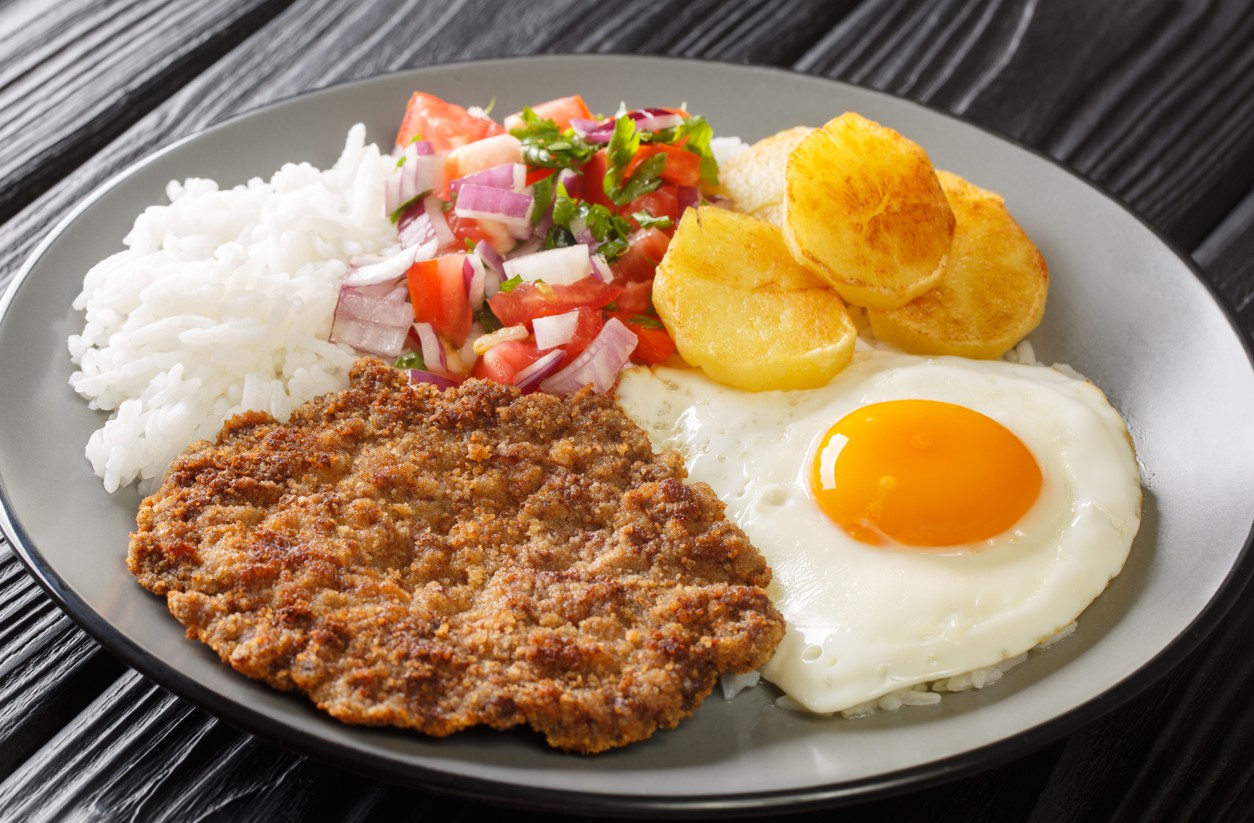
Fricase, a warming pork stew made with hominy corn and ají amarillo, is often eaten on cold mornings. Chairo, a thick Aymara soup featuring chuño (freeze-dried potatoes), meat, vegetables, and grains, is ideal for high-altitude winters. Anticuchos—grilled skewers of beef heart served with boiled potatoes and spicy peanut sauce—are a popular nighttime street food with pre-Columbian roots. Silpancho, a breaded beef cutlet served over rice with potatoes, fried egg, and salad, is one of Bolivia’s most filling classics. Api con pastel, a warm purple corn drink paired with fried cheese pastries, is La Paz’s traditional breakfast combination.
Everyday La Paz & Bolivian Food
Breakfast in La Paz often consists of api con pastel, salteñas from a street vendor, or simple bread with coffee or tea. Lunch is the main meal of the day and typically includes soup followed by a substantial second course. Dinner is lighter, often made up of leftovers, sandwiches, or street food.
Potatoes dominate the Bolivian diet, appearing in hundreds of native varieties and preserved forms such as chuño (black freeze-dried potatoes) and tunta (white freeze-dried potatoes). Corn is consumed fresh, dried, and as hominy. Quinoa, the ancient Andean grain, is eaten in soups, stews, and porridges. Llama and alpaca meats feature in traditional cuisine, while beef, chicken, and pork are more common in urban settings. Native herbs such as huacataya (Andean black mint) and quirquiña (Bolivian coriander) provide distinctive local flavor. Street food plays a central role in daily life, offering affordable, warming meals suited to La Paz’s altitude and climate.
Cultural Fusion: Aymara Foundations, Spanish Influence & Indigenous Resilience
La Paz’s cuisine is a historical tapestry shaped by indigenous Aymara foodways, Spanish colonial influence, and modern mestizo adaptation. Aymara traditions emphasized potatoes, quinoa, corn, and camelid meat, all suited to high-altitude survival. Spanish colonization introduced wheat, rice, dairy, pork, and beef.
The blending of these traditions produced Bolivia’s criollo cuisine, which defines modern cooking in La Paz. The result is a food culture where ancient preservation methods coexist with colonial-era stews and contemporary street foods. La Paz’s cuisine embodies adaptation—transforming limited resources and harsh conditions into nourishing, flavorful meals that sustain life at altitude.
Craft Beverage Scene and Local Libations
La Paz’s beverage culture reflects its altitude, indigenous traditions, and growing urban café scene. Api, made from purple or yellow corn simmered with cinnamon and cloves, is the city’s most traditional warm drink.
Mate de coca (coca leaf tea) is widely consumed to alleviate altitude sickness and is deeply embedded in daily life. Singani, Bolivia’s national spirit distilled from Muscat of Alexandria grapes, is the base for popular cocktails such as chuflay (singani with ginger ale). Fresh fruit juices from the nearby Yungas region—papaya, passion fruit, and pineapple—are widely available. Bolivian beers such as Paceña (named for La Paz residents) and Huari are popular. Traditional chicherías serving fermented corn beer still exist, though mostly outside the city center. Coffee culture is expanding, with beans from the Yungas gaining recognition.
International Dining and Contemporary Scene
While Bolivian cuisine dominates, La Paz offers a growing international dining scene influenced by tourism and urban development. Peruvian restaurants are especially common, reflecting shared Andean roots with distinct regional differences.
Italian, European, and Asian restaurants cater to diverse tastes, while Chinese-Bolivian chifas are widespread. Modern Bolivian chefs are increasingly reinterpreting traditional dishes with contemporary techniques, particularly in Zona Sur. Despite global influences, La Paz’s culinary soul remains firmly local—from market stalls and street vendors to traditional picanterías. The city’s food scene balances ancient traditions with modern refinement, especially in the competitive salteña and street food culture.
Food Customs and Practical Tips
Dining in La Paz ranges from informal street stalls to upscale restaurants, with service that is generally polite and unhurried. Tipping is appreciated; around 10% is standard for good service. Lunch portions are large, reflecting its role as the main meal of the day.
Salteñas should be eaten carefully to avoid spilling the broth—bite a small hole first and sip the juices before eating. Try api con pastel early in the morning at a market for an authentic experience. Visit the Witches’ Market area for traditional snacks and ingredients, and explore local markets for the widest variety of Bolivian food.
Explore different neighborhoods: the city center for traditional restaurants and markets, Sopocachi for cafés and international dining, Zona Sur for upscale cuisine, and neighborhood markets for authentic local food. Consider a guided food tour to safely sample street food and learn about Bolivian culinary traditions. Take altitude into account—eat lightly at first and stay hydrated. La Paz offers excellent culinary value, with deeply flavorful meals at very reasonable prices. Above all, embrace La Paz’s culinary spirit: food here is about sustenance, community, and the enduring ingenuity of Andean life in the world’s highest capital.
This guide covers what to eat in La Paz, from salteñas and sajta de pollo to fricase, chairo, and classic Bolivian specialties. Use it to plan your culinary exploration of Bolivia’s high-altitude capital, where every meal reflects Andean heritage and indigenous resilience.
 [adblockingdetector id="638efa67113bf"]