


Best Things to Do in Lahore: A Complete Guide
10 Best Things to Do in Lahore
Looking for what to do in Lahore? Widely celebrated as the cultural, culinary, and intellectual heart of Pakistan, Lahore is a city that pulsates with history, passion, and an irresistible energy. Unlike the planned order of Islamabad or the sprawling intensity of Karachi, Lahore wears its soul on its sleeve—a grand, sometimes chaotic, but always captivating tapestry of Mughal splendor, Sufi mysticism, British colonial legacy, and a fiercely modern vitality. It is a city of profound contrasts: serene Mughal gardens lie in the shadow of bustling modern flyovers; centuries-old shrines hum with devotion just blocks away from trendy art galleries and cafes; and the smoky aroma of street food grills mingles with the scent of jasmine in historic haveli courtyards. With its monumental architecture, labyrinthine old city, legendary food scene, and the warm, witty spirit of its people, Lahore offers an unforgettable and deeply immersive experience for every traveler.
From exploring the majestic ramparts of the Lahore Fort and the grandeur of the Badshahi Mosque to getting lost in the sensory overload of the Walled City, savoring world-class street food, and witnessing the unique spectacle at the Wagah border, here are the 10 best things to do in Lahore to help you plan a journey into the soul of Pakistan.
1. Explore Lahore Fort (Shahi Qila)
Dominating the skyline of the old city, the magnificent Lahore Fort (Shahi Qila) is a sprawling UNESCO World Heritage site that encapsulates centuries of Mughal power, artistry, and architectural evolution. Its foundations date back over a millennium, but the current structure was largely built and embellished by Emperors Akbar, Jahangir, Shah Jahan, and Aurangzeb. Enclosed within massive, fortified walls, the fort is a city within a city, comprising palaces, halls, gardens, and mosques.
Enter through the imposing Alamgiri Gate, built by Aurangzeb, to begin your exploration. Highlights include the exquisite Sheesh Mahal (Palace of Mirrors), a chamber whose walls and ceiling are adorned with intricate mirror mosaics that create a dazzling, starry effect; the elegant Naulakha Pavilion, a marble masterpiece of pietra dura inlay; and the grand Diwan-i-Aam (Hall of Public Audience). Walking through its sequence of courtyards and terraces offers breathtaking views of the Badshahi Mosque and the old city. To truly appreciate the fort’s layers of history and symbolism—from its strategic military design to its poetic architectural details—hiring a knowledgeable guide is highly recommended.
2. Visit Badshahi Mosque
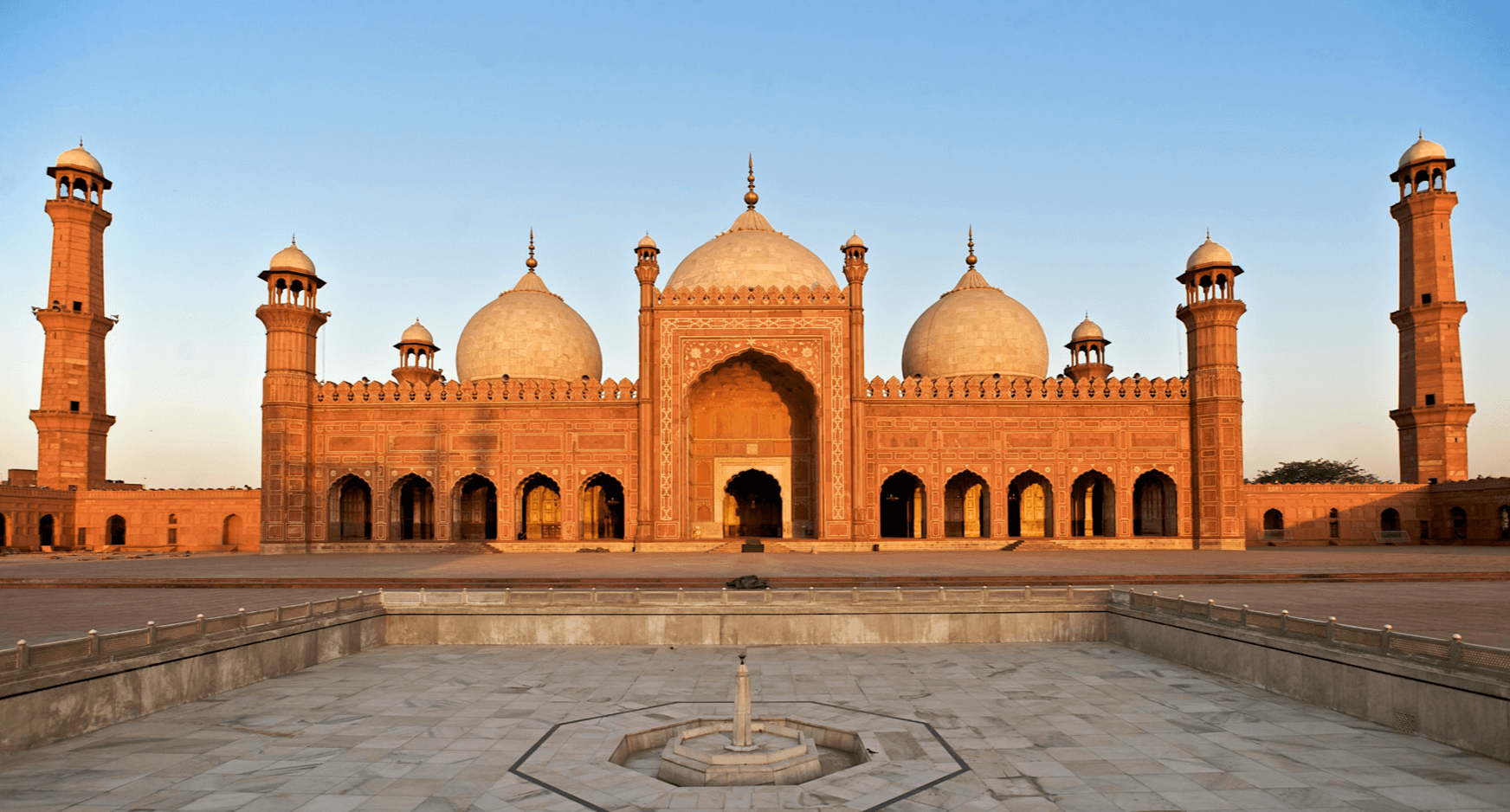
Standing in majestic symmetry across from the Lahore Fort, the Badshahi Mosque is an enduring symbol of Mughal grandeur and one of the largest mosques in the world. Commissioned by Emperor Aurangzeb in 1671, its vast courtyard, capable of holding 100,000 worshippers, is an awe-inspiring expanse of red sandstone. The mosque’s architecture is a masterpiece of balance and scale, featuring four towering minarets, three majestic marble domes, and intricate carved floral patterns on its façade.
The experience of entering its main gateway and seeing the vast courtyard open before you is profoundly humbling. Non-Muslim visitors are welcome outside of prayer times (respectful, modest dress is required, and shoes must be removed). Inside the prayer hall, the acoustic space under the central dome and the detailed fresco work are remarkable. The mosque is particularly magical in the late afternoon, when the setting sun bathes its sandstone in a warm, golden glow, and the call to prayer echoes across the grounds. It is not just a place of worship but a monument to an era of unparalleled artistic ambition.
3. Wander the Walled City and Delhi Gate
Step through any of the 13 historic gates, such as the beautifully restored Delhi Gate, and you enter the living, breathing labyrinth of Lahore’s Walled City. This densely packed quarter is the historic core of Lahore, a maze of narrow, winding streets (galis) buzzing with an incredible intensity of life. Here, centuries-old havelis (traditional mansions) with carved wooden balconies stand beside bustling shops selling everything from spices and gold embroidery to musical instruments and kitchenware.
Getting lost here is part of the adventure. Follow the scent of fresh naan from a roadside tandoor, watch artisans hammering copper, or discover hidden gems like the Wazir Khan Mosque—a 17th-century jewel box famed for its breathtaking frescoes and tile work (a UNESCO World Heritage site). For deeper insight, join a walking tour with the Walled City of Lahore Authority or a local heritage group. They can guide you to restored landmarks, explain the complex social fabric, and lead you to rooftop cafes for a panoramic chai-overlooking a sea of rooftops and minarets.
4. Experience Food Street and the Night View of Monuments
Lahore’s reputation as a foodie paradise finds its most picturesque setting on the iconic Fort Road Food Street. This pedestrianized lane in the shadow of the Badshahi Mosque and Lahore Fort is lined with beautifully restored Mughal-era buildings that now house multi-story restaurants. As dusk falls, the entire area is theatrically illuminated, casting the monuments in a dramatic, ethereal light.
The experience is about more than just the food—though the food is spectacular. Settle into a rooftop table and order classic Lahori feasts: sizzling chicken karahi, succulent seekh kebabs, whole grilled pomfret, and clay-pot nihari. As you dine, the view of the illuminated Badshahi Mosque, with its minarets outlined against the night sky, is unforgettable. The atmosphere is lively, convivial, and uniquely Lahori, perfectly blending the city’s historic grandeur with its relentless love for good food and social gathering. It’s an essential, sensory-rich experience for any first-time visitor.
5. Stroll Through the Shalimar Gardens
A short drive from the city center lies the Shalimar Gardens, another UNESCO World Heritage site and a sublime example of Mughal horticultural and architectural genius. Built by Emperor Shah Jahan in 1641, these Persian-style gardens were designed as a terrestrial paradise, a place of sensual pleasure and poetic reflection for the royal court. The gardens are laid out on three terraced levels, descending in a precise allegory of the journey from worldly existence to spiritual union.
Each terrace features cascading fountains, reflecting pools, marble pavilions, and meticulously planned rows of trees and flowers. The complex hydraulic system that feeds the 410 fountains is an engineering marvel. While the surrounding city has encroached, the gardens retain an air of ordered tranquility. Families and couples stroll along its pathways, and the central Aiwan (pavilion) remains a beautiful spot for contemplation. Visiting in the early morning or late afternoon allows you to appreciate the interplay of light, water, and architecture in relative peace.
6. Visit the Lahore Museum and Nearby Buildings
Located on the historic Mall Road, the Lahore Museum is Pakistan’s oldest and most important museum. Housed in a grand Victorian building of Indo-Saracenic architecture, its vast collections provide a comprehensive journey through the region’s millennia of history. The museum is world-renowned for its exceptional gallery of Gandhara art, featuring stunning Greco-Buddhist sculptures and friezes dating from the 1st to 5th centuries CE.
Other highlights include exquisite Mughal and Persian miniature paintings, intricate Islamic calligraphy and metalwork, traditional musical instruments, and ethnographic displays showcasing Pakistan’s diverse cultures. The museum’s setting adds to the experience; Mall Road itself is lined with other colonial-era landmarks like the Punjab Assembly, High Court, and the National College of Arts (NCA), making the area a fascinating walk through Lahore’s British-period architectural heritage.
7. Relax in Jilani Park and Along Canal Road
Known locally as Race Course Park, Jilani Park is Lahore’s premier public green space and a vital lung for the city. Its vast, well-maintained lawns, artificial lakes, walking and jogging tracks, and themed gardens offer a welcome respite from the urban hustle. The park is especially vibrant in the evenings and on weekends, when families picnic, friends play cricket on the grass, and the air fills with the sounds of laughter and chatter.
Another iconic green corridor is the tree-lined Canal Road. During spring festivals like Basant (though officially restricted now) or for national holidays, sections of the canal and its bridges are spectacularly decorated with millions of lights, flags, and installations, creating a magical, festive drive. These spaces reveal the Lahori love for leisure, community, and celebrating life outdoors, showcasing a softer, more relaxed side of the city.
8. See the Flag-Lowering Ceremony at Wagah Border
Located about 30 kilometers east of Lahore, the Wagah Border is the only official road crossing between Pakistan and India. Every day before sunset, this otherwise tense geopolitical frontier transforms into a stage for one of the world’s most extraordinary and theatrical nationalistic performances: the joint Beating Retreat and Flag-Lowering Ceremony. Soldiers from the Pakistan Rangers and India’s Border Security Force engage in a meticulously choreographed display of high kicks, stomping marches, aggressive salutes, and dramatic flag lowering, all performed with fierce pride and impeccable synchronization.
On the Pakistani side, grandstands fill with a boisterous, flag-waving crowd that erupts into patriotic chants of “Pakistan Zindabad!” The atmosphere is electric, part sporting event, part patriotic rally. It’s a powerful, surreal, and uniquely subcontinental spectacle that embodies the complex rivalry and shared cultural DNA of the two nations. Arrive at least 90 minutes early to secure a good seat, and be prepared for security checks and a lively, crowded experience.
9. Visit Data Darbar and Other Shrines
To understand the spiritual heartbeat of Lahore, a visit to the Data Darbar shrine is essential. Dedicated to the 11th-century Sufi saint Syed Ali Hajweri (also known as Data Ganj Bakhsh), it is one of the most revered Sufi shrines in the Islamic world, attracting hundreds of thousands of pilgrims annually. The vast complex is a vortex of devotion, where the lines between the earthly and the divine seem to blur.
Inside, the air vibrates with the rhythmic chanting of qawwali music, the scent of rose petals and incense, and the murmured prayers of devotees seeking blessings. While the crowds can be overwhelming, especially on Thursday nights or during the annual urs (death anniversary) festival, the experience offers a profound glimpse into the deeply ingrained Sufi traditions of love, tolerance, and mystical union that define much of Pakistani culture. Dress very modestly, be respectful, and follow the guidance of shrine attendants. Other significant shrines include that of Madho Lal Hussain in the old city.
10. Eat Your Way Through Lahore’s Food Scene
Lahore is, without hyperbole, a gastronomic paradise. For Lahoris, food is not mere sustenance; it is a passion, an art form, and a primary social activity. The city’s culinary landscape is thrillingly diverse, spanning historic street food hubs and modern fine dining. Start your day like a local with halwa puri and chana at a crowded breakfast spot in the old city. For lunch, dive into the legendary food streets of Gawalmandi or Anarkali for plates of paya (trotters stew), haleem, and fiery chicken chargha.
As evening falls, join the queues at iconic establishments like Cuckoo’s Den or Andaaz Restaurant for sublime Mughlai fare with a view. Don’t miss the rich, slow-cooked nihari for breakfast or the decadent lassi served in tall clay glasses. From sizzling skewers at roadside grills to delicate phirni (rice pudding) for dessert, eating in Lahore is a joyous, immersive, and absolutely essential way to experience the city’s famous warmth and zest for life.
Check monthly weather averages for
Latest Secret Flying deals to Lahore
Boston to Lahore, Pakistan for only $609 roundtrip
Cheap flights from Boston to Lahore, Pakistan for only $609 roundtrip with Etihad Airways.
View DealWashington DC to Lahore, Pakistan for only $650 roundtrip
Cheap flights from Washington DC to Lahore, Pakistan for only $650 roundtrip with Turkish Airlines.
View DealNew York to Lahore, Pakistan for only $607 roundtrip (Sep-Nov dates)
Cheap flights from New York to Lahore, Pakistan for only $607 roundtrip.
View Deal [adblockingdetector id="638efa67113bf"]